LIVE
Summary
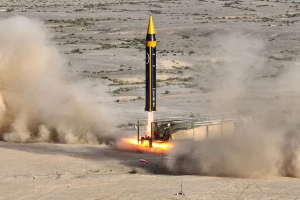
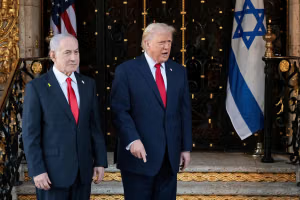
President Donald Trump said the US could go further in the Iran war and added that Washington had “knocked the hell out of” Iran and “may do it a little bit further.”
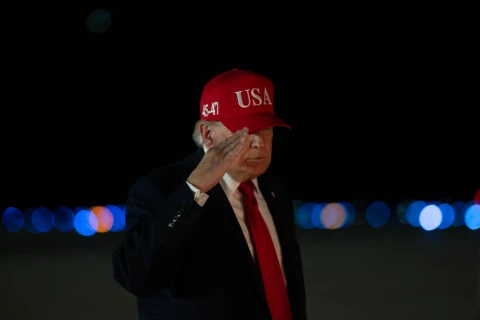
Summary
President Donald Trump said the US could go further in the Iran war and added that Washington had “knocked the hell out of” Iran and “may do it a little bit further.”
INSIGHT
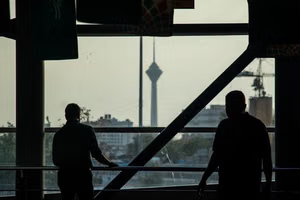
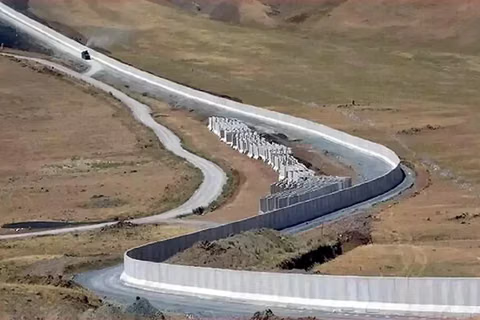
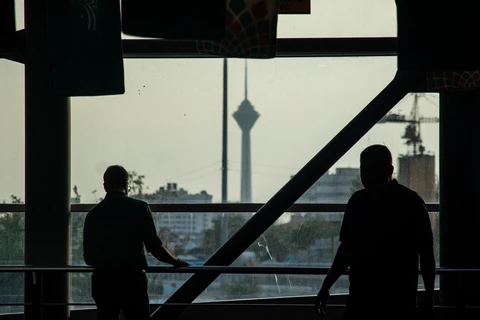
Iran’s trade squeeze spreads from sea to land
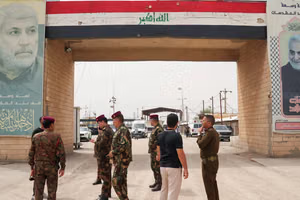
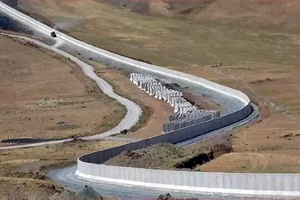
Border closures and transit disruptions involving Pakistan, Iraq and Turkey are raising fears that Iran’s remaining trade routes could be further restricted, deepening the impact of US maritime and air restrictions.
ONE-ON-ONE
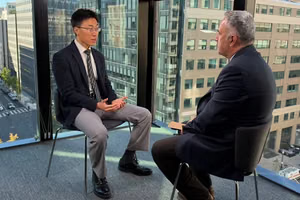
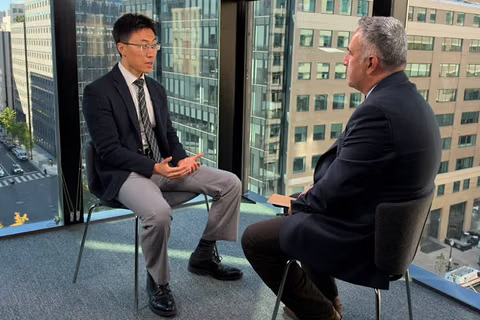
China values Iran but won't pay any price to defend it
China regards its relationship with Iran as largely transactional and is not firmly committed to defending the current Iranian government, according to Tong Zhao, a senior fellow at the Carnegie Endowment for International Peace.
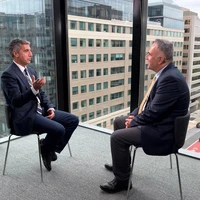
Saudi Aramco seeks overseas oil stockpile expansion after Iran war
Saudi Arabia and state oil giant Aramco are seeking partnerships to expand overseas oil storage after the Iran war exposed vulnerabilities in the kingdom’s energy network, CEO Amin Nasser said Thursday in an interview with Al Arabiya Business.
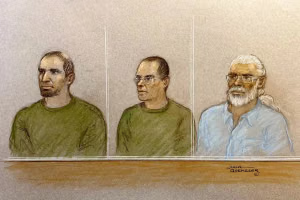
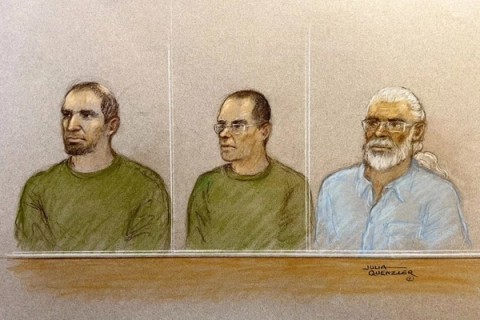
Iran plot suspect says he was told to break journalist’s arms and legs
A man accused of plotting attacks on Iran International journalists told a London court on Thursday that his Iranian handlers had instructed him to break one journalist’s arms and legs and assault another to stop him from criticizing the Islamic Republic.
‘Living in despair’: uncertainty, economic turmoil erode hope in Iran
Repeated economic and political crises are eroding Iranians' belief that their lives can improve, with official figures showing declining social capital, widespread perceptions of injustice and deepening distrust of the government.
Operation Economic Outcast
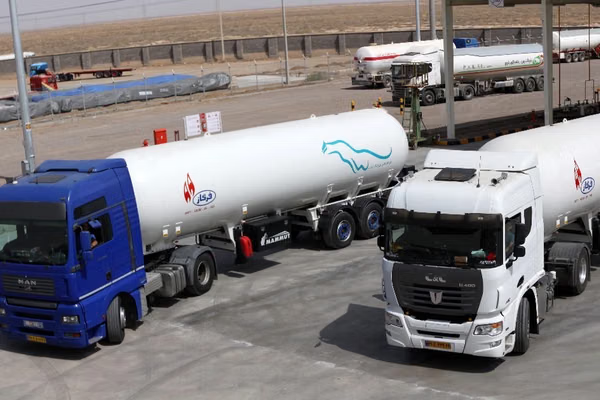
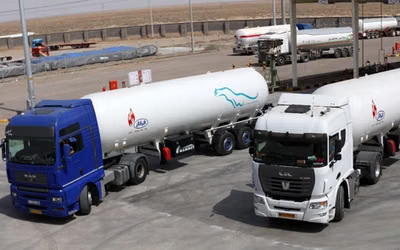
US blockade leaves Iran with millions of tons of surplus LPG
Iran's LPG exports have collapsed since the US naval blockade began in mid-July, leaving Tehran to find domestic uses for millions of tons of propane and butane that would normally be sold abroad.
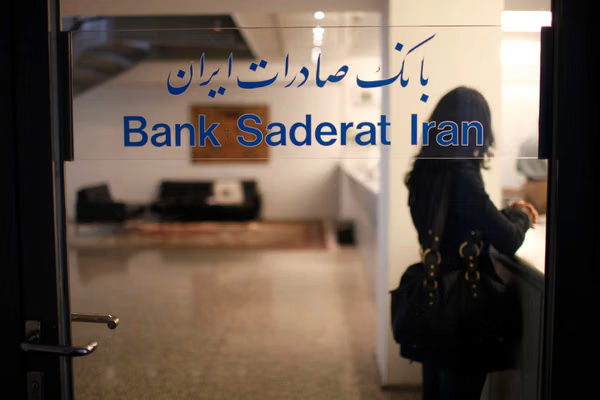
German regulator orders liquidation of Bank Saderat Iran’s Hamburg branch
Germany’s financial regulator BaFin said on Thursday that Bank Saderat Iran’s Hamburg branch had lost its banking license and must be wound up. The branch, which operated in Hamburg and Frankfurt, is no longer allowed to conduct banking business.
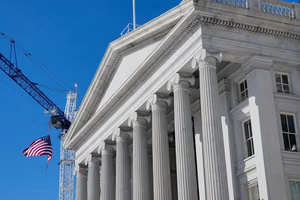
US sanctions law firm, shipping operators over Iran trade
The United States on Wednesday sanctioned a law firm, shipping operators and maritime logistics companies accused of helping Iran evade restrictions on its oil and other exports.
Iran upholds protester's death sentence over $56 property damage
Iran's Supreme Court has upheld the death sentence of a protester arrested during the 2022 Woman, Life, Freedom movement over an explosion that his lawyer says caused about $56 in property damage, the Emtedad news channel reported Wednesday.
ANALYSIS
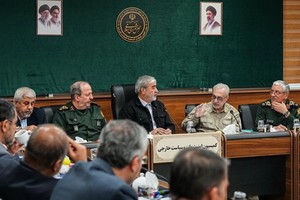
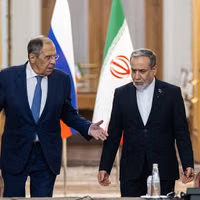
War warnings and talk of diplomacy compete in Tehran
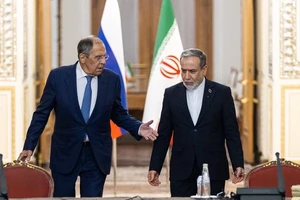
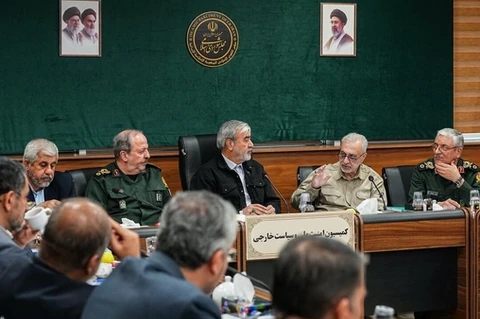
Iranian leaders raised the conditions for negotiations with the United States and issued fresh warnings of a wider military response on Wednesday, even as signs persisted that Tehran was leaving room for diplomacy.
Israel bars United Airlines pilot over alleged Iran links - Ynet
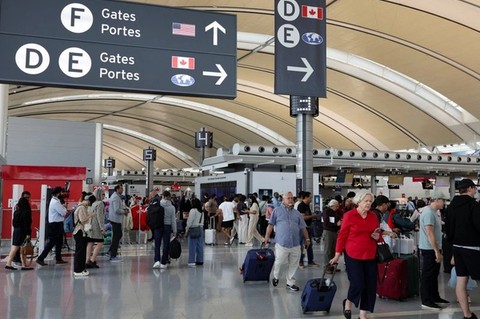
Israel has barred a United Airlines pilot of Iranian descent from serving on flights to the country over unverified social media allegations that he supported Iran's government, the Revolutionary Guards and Hezbollah, Ynet reported Wednesday.

Canada orders Iranian man deported over role in sanctions evasion
Canada's Immigration and Refugee Board has ordered the deportation of an Iranian man living in Toronto over his role in a criminal network that helped Iran evade international sanctions, Global News reported Wednesday, citing a 36-page ruling.
INSIGHT
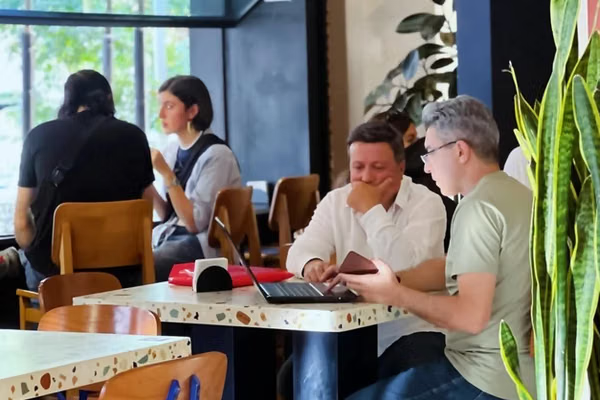
Iranian women killed by relatives after seeking divorce or refusing marriage
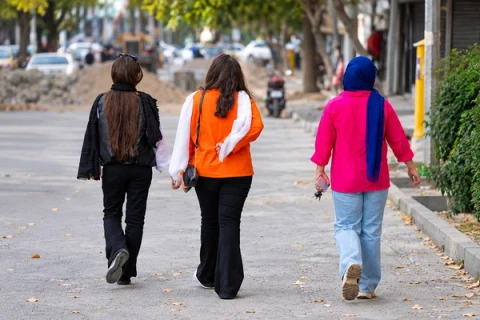
Asking for a divorce, refusing a marriage, speaking to a man she did not know: in Iran, each has preceded the killing of a woman or girl by her own family, according to a Shargh daily investigation that counted at least 38 dead in two months.
In Case You Missed It
Eye for Iran Podcast
Tehran Insider
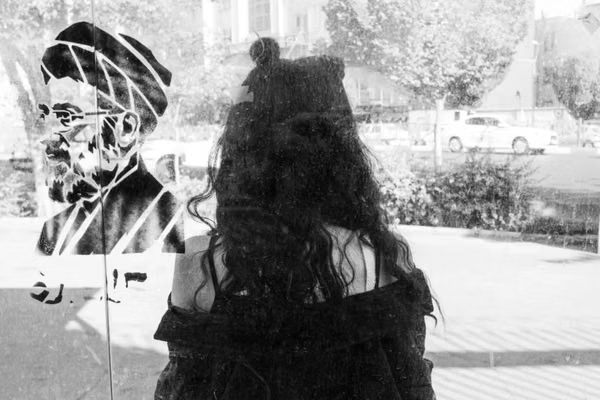
They can erase you without arresting you
One morning your phone simply stops working. There is no warning, no explanation and often no piece of paper telling you what you have done. Welcome to the Islamic Republic of Iran v.3.1.

I stayed awake for them
I wrote what follows just after midnight, unable to sleep at the thought of more executions at dawn. It is now early morning. The news has hit hard. I can't rewrite these words now. They belong to the hours before that hope disappeared. I leave them as they are.