How Trump’s secondary tariffs could hurt Tehran
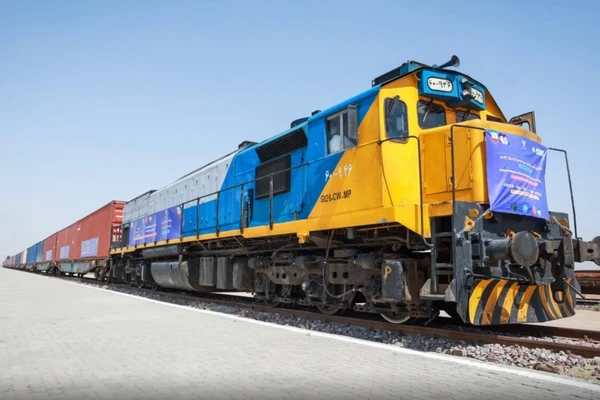
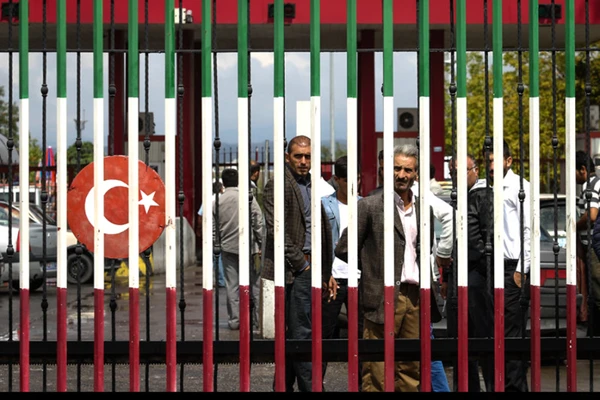
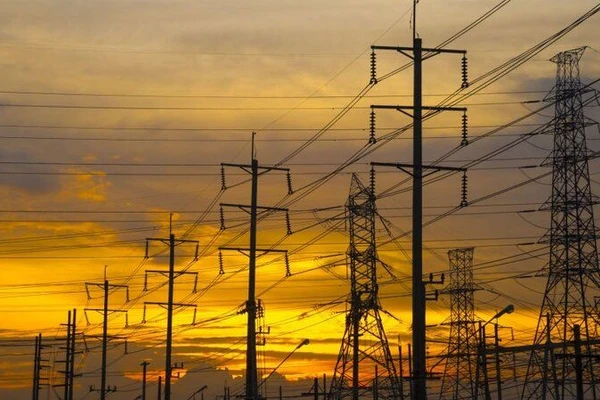
A 25 percent tariff on US imports from any country that trades with Iran appears aimed at punishing third countries, but it is likely to hit Tehran far harder.

A 25 percent tariff on US imports from any country that trades with Iran appears aimed at punishing third countries, but it is likely to hit Tehran far harder.

Chinese independent refiners are expected to increasingly rely on Iranian heavy crude in the coming months, as Venezuelan oil shipments to China stall after the United States moved to redirect Venezuelan exports, traders and analysts told Reuters.
As Venezuela enters a volatile phase following Nicolas Maduro’s capture by US forces over the weekend, Iran’s strategic investments in the country’s oil refining sector are facing a sudden and uncertain reckoning.
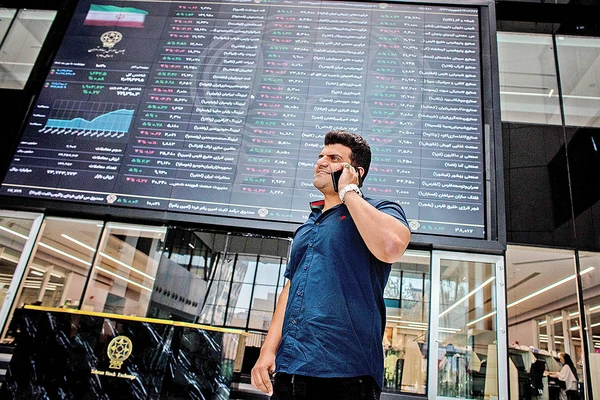
Iran’s rial fell to a fresh record low on Tuesday on unofficial markets, with the US dollar quoted at about 1.47 million rials as authorities seek to defuse public anger over soaring prices.

The fate of the Iranian economy is increasingly shaping debates about the country’s future—one that may prove decisive regardless of how its current political struggles unfold.

Tehran’s plan to distribute cash handouts to nearly the entire population appears aimed at calming protests driven by relentless price increases. Whether it will work remains an open question.

The US capture of Nicolas Maduro, a staunch ally of Iran's theocratic rulers, has cast doubt on whether Venezuela will ever pay its reported two-billion debt to Tehran should Caracas flip into an ally of Washington.

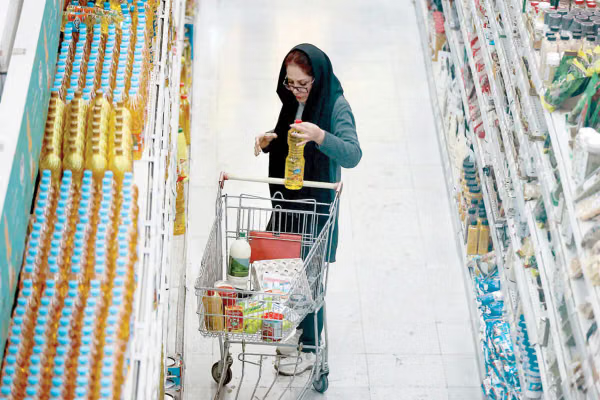
Prices of basic goods in Iran are expected to rise by 20% to 30% in the coming weeks, with sharper increases likely for chicken, eggs and cooking oil, government spokesperson said on Monday.

Money held by Iran in Venezuela has already been withdrawn, the head of the Iran-China Joint Chamber of Commerce said on Monday, as questions grow over Iran’s investments following the arrest and transfer of Venezuelan President Nicolas Maduro by the United States.

A social media post by a prominent Silicon Valley investor has ignited an unusual discussion among global entrepreneurs: what it would take to invest in a future Iran after the fall of the Islamic Republic.

As protests once again ripple across Iran, the country’s political establishment is moving quickly to revive an economic reform agenda that many Iranians say no longer speaks to the core of their anger.

Iranian President Masoud Pezeshkian said on Thursday that his government would stop distributing a heavily subsidized exchange rate, blaming the system for encouraging rent-seeking and failing to protect households despite billions of dollars in state support.

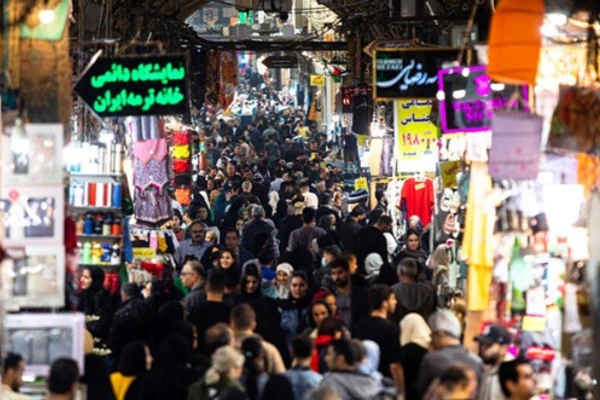
Iran’s bazaar strike, sparked by currency chaos and collapsing purchasing power, is widening beyond traders and shopkeepers – pulling in students and salaried workers as the anger is spreading across Iran’s squeezed middle and low-income households.

Three days after merchants ignited strikes across Iran, the country’s bazaar is now openly defying the Islamic Republic, marking a historic break between conservative traders and a state accused of sacrificing livelihoods to missiles and security spending.

Iran’s president has offered to rewrite his proposed 1405 budget after parliament rejected the draft, opening talks with lawmakers on pay rises, taxes and subsidies, the parliament speaker said.

Iran’s parliamentary budget committee has rejected the overall framework of the government’s 1405 (2026–27) budget bill, dealing an early setback to President Masoud Pezeshkian’s economic agenda amid soaring inflation and currency turmoil.

Iran’s president has appointed former economy minister Abdolnaser Hemmati as the new head of the central bank, state-linked media reported on Monday, confirming a leadership change amid turmoil in currency markets.

Iran’s judiciary warned on Monday that it would pursue and punish individuals accused of disrupting the country’s economic system, as authorities face mounting pressure from a collapsing currency, high inflation and widening public unrest.

Iran’s judiciary on Monday denied reports that the country’s top political leaders had approved the retention of the central bank governor, pushing back against swirling speculation over his fate as the rial slides to record lows and economic pressure mounts.

Shopkeepers in Tehran extended strikes into a second day on Monday, with closures reported across several key markets amid mounting economic pressure and a sharp fall in the national currency, according to information received by Iran International.

Iran’s audit watchdog pushed back on President Masoud Pezeshkian’s comments about fuel costs, warning officials against providing inaccurate data and saying gasoline imports this year were far lower than figures cited publicly.

Protests broke out among shopkeepers in central Tehran on Sunday after a sharp slide in the rial, with videos sent to Iran International showing crowds chanting antigovernment slogans.