LIVE
Summary
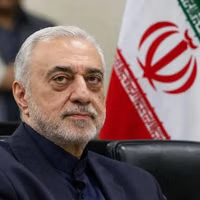
US Secretary of State Marco Rubio said on Wednesday that Washington welcomed mediation efforts by countries including Qatar and Pakistan but that any agreement with Iran would have to ensure Tehran could never acquire a nuclear weapon.

Summary
US Secretary of State Marco Rubio said on Wednesday that Washington welcomed mediation efforts by countries including Qatar and Pakistan but that any agreement with Iran would have to ensure Tehran could never acquire a nuclear weapon.
ANALYSIS
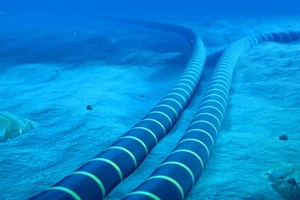
IRGC threatens undersea cables, but can it disrupt global internet?
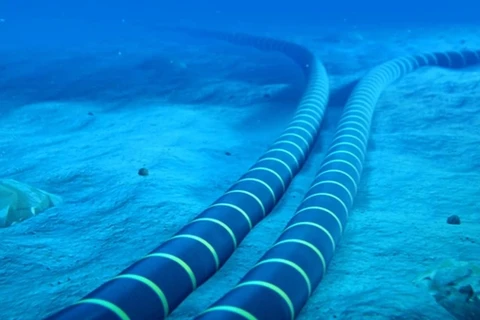
The Revolutionary Guards' threat to target undersea internet cables in the Strait of Hormuz raises questions about its feasibility, as the waterway carries a fraction of global bandwidth and damaging its cables would not shut down the world's internet.
INSIGHT
Iranian women killed by relatives after seeking divorce or refusing marriage
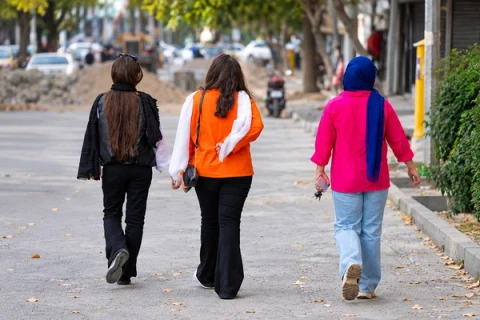
Asking for a divorce, refusing a marriage, speaking to a man she did not know: in Iran, each has preceded the killing of a woman or girl by her own family, according to a Shargh daily investigation that counted at least 38 dead in two months.
Ghalibaf allies seek an end to war without giving up leverage over US
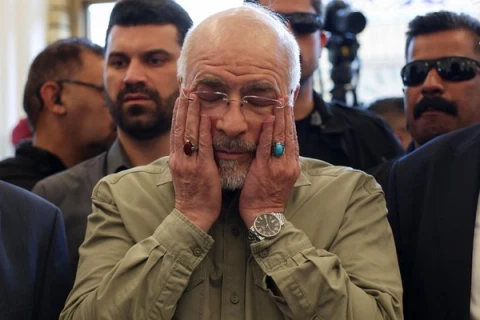
A current within Iran’s conservative establishment associated with Parliament Speaker Mohammad Bagher Ghalibaf favors maintaining military and economic leverage while keeping open the possibility of a negotiated end to the war with the United States.

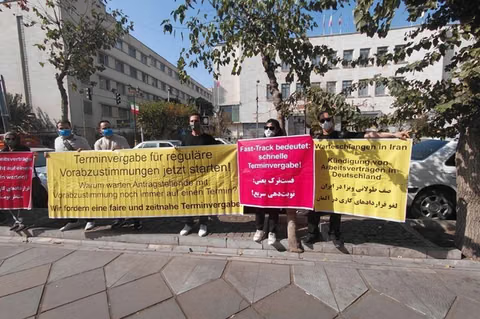
Iranian applicants protest German visa delays in Tehran
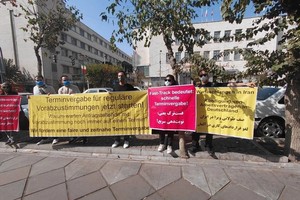
Iranians seeking German work and vocational-training visas protested outside the German Embassy in Tehran on Tuesday over lengthy delays in securing appointments, with some saying they had already lost job offers or training places while waiting.
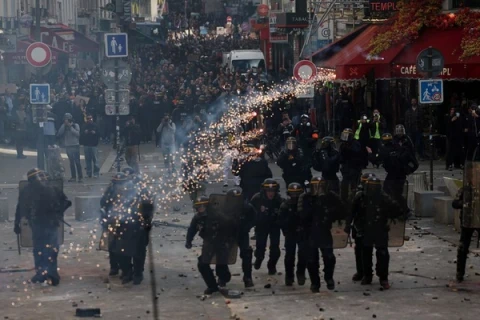
Iran accused of stoking French unrest through influence operations
Iran is seeking to amplify unrest in France through online influence campaigns and alleged links to hard-left groups, The Times reported on Tuesday, citing researchers who accused Tehran and Moscow of exploiting student protests to weaken Western democracies.
INSIGHT
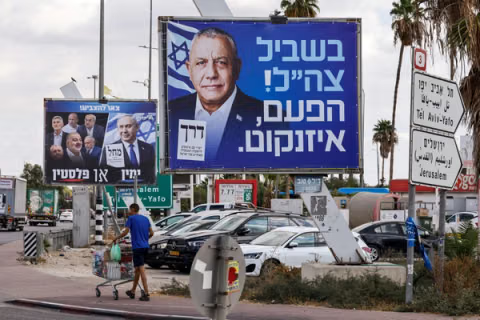
Iran in Israeli election: Netanyahu all-in on regime change, rivals want more
Israeli Prime Minister Benjamin Netanyahu is making regime change in Iran an explicit goal ahead of Israel’s election, while political rivals advocate tough measures against Tehran and criticize his failure to eliminate the Iranian threat.
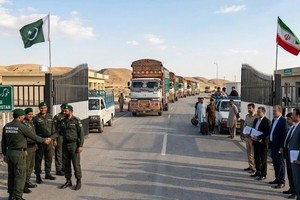
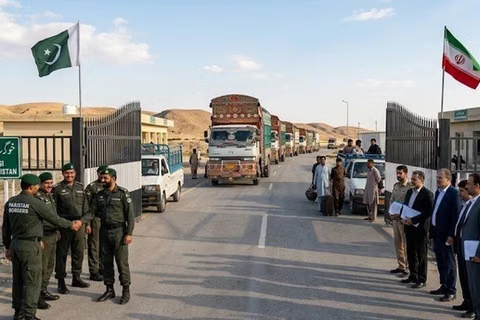
Iran-Pakistan border trade halt leaves trucks and cargo stranded
Trade between Iran and Pakistan remained suspended at two major border crossings on Tuesday, leaving trucks and cargo stranded, with Pakistani authorities citing security and anti-smuggling measures and Iran pointing to technical difficulties.
ONE-ON-ONE
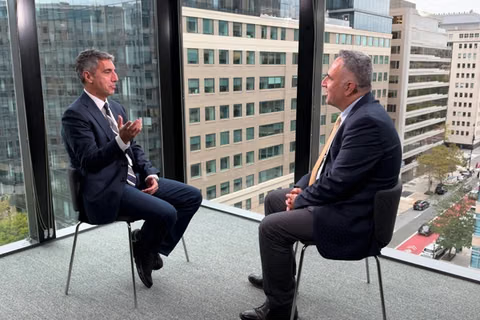
Saudi Arabia should join US-led push for change in Iran, analyst says
Saudi Arabia should join forces with the United States, Israel and the United Arab Emirates to help bring about political change in Iran, rather than continue policies that have failed to contain Tehran's regional influence, an analyst told Iran International.
Iran’s threats ring out from parliament struggling to meet or connect
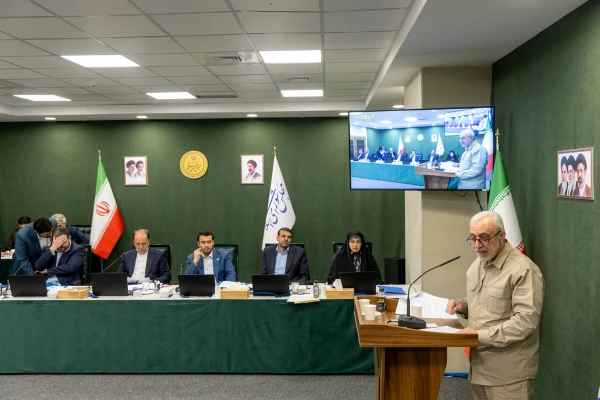
Iran’s new defense minister threatened the US and Israel during a parliamentary session held online over fears of attack, but even the virtual meeting faltered when poor internet connections prevented 25 lawmakers from voting on his appointment.
Ex-president's remarks expose divide over costs of Iran’s Palestine policy
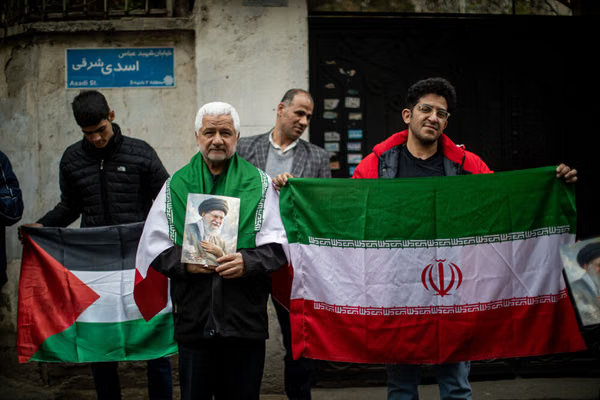
Former President Mohammad Khatami’s criticism of the costs of Iran’s intervention in Palestinian affairs has fueled debate over Tehran’s policy, with hardliners defending its role and some opponents of the Islamic Republic questioning the motives behind his remarks.
Teenager killed by gunshot to eye after arrest in Iran, source says
An 18-year-old mechanic was killed by a gunshot to his right eye after being wounded and detained on January 9, according to information obtained by Iran International from a source close to his family.

Crackdown on Dissent
VOICES FROM IRAN
Iranians report mass security warnings over social media activity
Iran's police intelligence agency has sent threatening text messages warning citizens of possible prosecution over online activity, including people who do not use social media, according to accounts shared with Iran International.

Who are the Baluch militants taking on Iran rulers, and how far can they go?
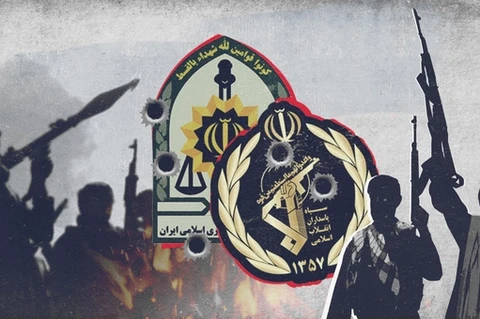
A wave of deadly attacks on Iranian security forces in the country’s restive southeast has brought renewed attention to a coalition of Baluch militants seeking to broaden their fight against the Islamic Republic, raising questions about how far the insurgency can spread.
VOICES FROM IRAN
Soaring medical costs and staff shortages strain Iran’s hospitals
People in Iran have described deteriorating hospital services, rising treatment costs, shortages of medical staff and equipment, and long waits for care, as healthcare workers struggle with low wages and growing workloads, according to accounts shared with Iran International.


Norwegian teen gets 20-year sentence in UK murder plot linked to Iran
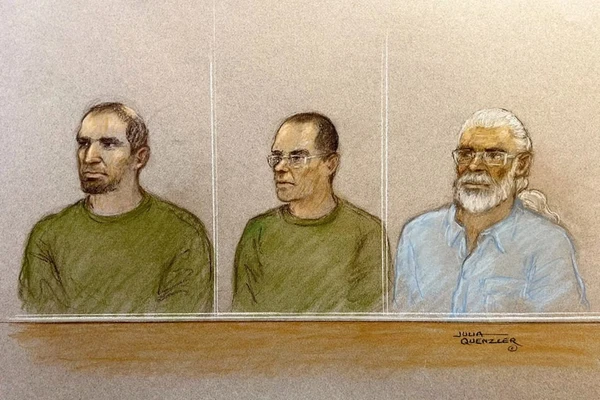
A Norwegian teenager recruited by a Swedish crime group linked by prosecutors to the Iranian government was sentenced to 20 years’ detention in Britain on Friday.
German court jails two men over spying for Iran's Guards
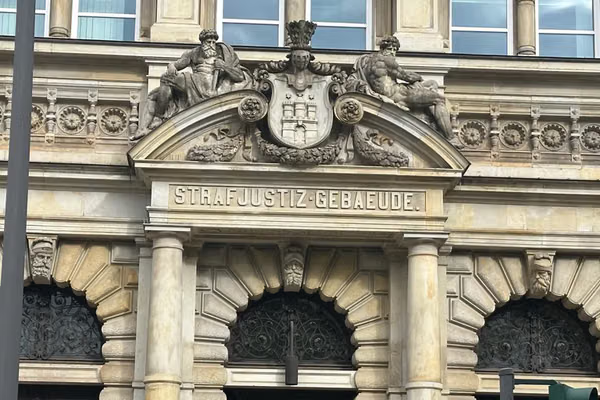
A German court convicted two men of spying on prominent Jewish figures and preparing attacks against them on behalf of Iran's Revolutionary Guards Quds Force, sentencing both to prison on Thursday.
In Case You Missed It
Eye for Iran Podcast
Tehran Insider
They can erase you without arresting you
One morning your phone simply stops working. There is no warning, no explanation and often no piece of paper telling you what you have done. Welcome to the Islamic Republic of Iran v.3.1.

I stayed awake for them
I wrote what follows just after midnight, unable to sleep at the thought of more executions at dawn. It is now early morning. The news has hit hard. I can't rewrite these words now. They belong to the hours before that hope disappeared. I leave them as they are.