How images came to carry Iran’s protest dead
Digital art and AI-generated images of protesters killed in Iran have flooded social media, turning victims of recent unrest into national icons.

Digital art and AI-generated images of protesters killed in Iran have flooded social media, turning victims of recent unrest into national icons.

The killings that swept Iran last month revived memories of 1988, when the Islamic Republic erased thousands of political prisoners in silence—my brother, Bijan, among them.
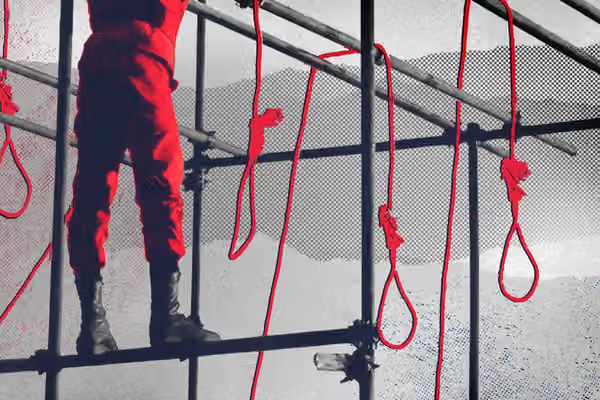
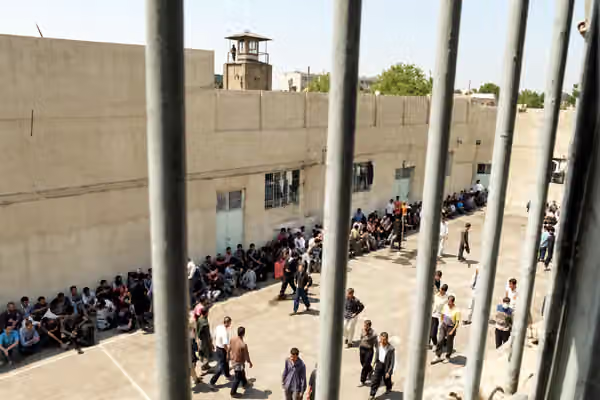
Human rights activists are sounding the alarm over reports of secret and extrajudicial executions in Iran, warning that the authorities may be moving toward retaliating against detainees after the deadly crackdown on protests in January.
Physicians working with Iranian protesters are warning that hospitals and medical care in Iran may be increasingly used as tools of repression, as doctors are arrested or threatened for treating the wounded and injured demonstrators are denied care.

Australian Senator Raff Ciccone, Chair of the Parliamentary Joint Committee on Intelligence and Security and a co-sponsor of a bipartisan Senate motion condemning Iran’s crackdown on protests, said Australia was standing firmly with the people of Iran.

A group of scholars in Iranian studies issued a public statement expressing solidarity with people in Iran, describing the protests as a defining historical moment and warning that silence or misplaced neutrality carries consequences.

A coalition of human rights organizations and civil society groups has called on member states of the Organization for the Prohibition of Chemical Weapons (OPCW) to take collective action over Iran’s alleged use of prohibited chemical substances against civilians.

Human rights advocates in Canada are urging the country’s national police to gather evidence on Canadians linked to Iran’s repression apparatus after thousands of protesters were killed in January.

The Islamic Republic was bad news in 1979 and it is bad news in 2026, sending security forces to beat and murder peaceful protesters. Deporting Iranians to a country gripped by violent repression is hardly the ‘help’ the United States promised.

As Iranians mourn those killed in the nationwide crackdown, state-aligned voices are falling back on familiar defenses: downplaying the toll, casting the protests as a foreign plot, and stripping victims of civic status by branding them religious enemies.

Iran International has documented the deaths of more than six thousands people during recent protests in Iran whose names do not appear on an official government list published over the weekend.

Detainees in Iran are being forcibly injected with unknown substances inside detention facilities, according to eyewitness testimonies, informed sources and human rights monitors who warn of a growing pattern of deaths among current and former prisoners.

Iran’s judiciary said on Wednesday it executed a man it identified as Hamidreza Sabet Esmailipour, whom it accused of spying for Israel’s intelligence service, Mossad, after his death sentence was upheld by the Supreme Court.

Iranian and Venezuelan opposition figures in a meeting in Washington DC urged the United States and its allies to act against what they described as an axis of repression between their two countries.

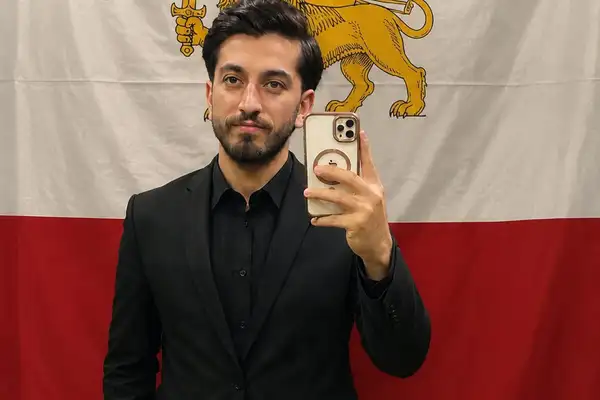
Mojtaba (Shahmorad) Shahpari, a protester from the southwestern Iranian city of Izeh who was injured during the nationwide protests and later found dead in a cold storage warehouse in Isfahan, was laid to rest wrapped in the lion and sun flag, fulfilling his final wish.

More than 36,500 Iranians were killed by security forces during the January 8-9 crackdown on nationwide protests, making it the deadliest two-day protest massacre in history, according to documents reviewed by Iran International's Editorial Board.

Iran’s near-total internet blackout since January 8 did not only shut down social media but collapsed the country’s last channels to the outside world, isolating families and sharply limiting what evidence of the crackdown could escape.

Iranian security forces deployed unknown chemical substances amid deadly crackdowns on protestors in several cities earlier this month, eyewitnesses told Iran International, causing severe breathing problems and burning pain.

Iran has deployed a nationwide militarized crackdown to scotch dissent and obscure the scale of its mass killings of protestors earlier this month, rights watchdog Amnesty International said in a report on Friday.

Iran’s Supreme National Security Council instructed newspaper editors and online media managers to stop publishing independent reporting on protest deaths and to avoid interviewing bereaved families, according to information shared with Iran International.

Venezuelan opposition leader Maria Corina Machado said democratic governments must raise the cost for Iran’s rulers to stay in power in an interview with Iranian activist Masih Alinejad.

A wounded Iranian protester played dead inside a plastic body bag for three days to hide from security forces and heard what he believed to be fellow protestors being summarily executed, a rights group reported on Thursday.