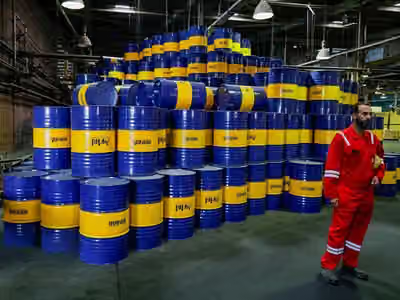
Under the new arrangement, companies that import staple goods will be introduced by the Agriculture Ministry to the Oil Ministry to receive oil shipments, which they will sell in order to finance their imports, he said.
“One of the good methods of supplying goods is barter with oil, and we have increased the ceiling for oil barter with basic goods imports,” Nouri Ghezeljeh said, according to IRIB.
He said the value of oil bartered for basic goods imports this year had been raised from $1 billion to $1.5 billion by year-end. The share allocated to basic goods and animal feed imports will increase further next year, alongside changes in the implementation method.
Previously, the Oil Ministry provided cargoes to oil traders, who sold the shipments and then arranged imports. From next year, importers themselves will be introduced to receive oil cargoes directly, he said.
Iran has increasingly relied on barter arrangements to secure essential goods amid US sanctions restricting its access to the global financial system.