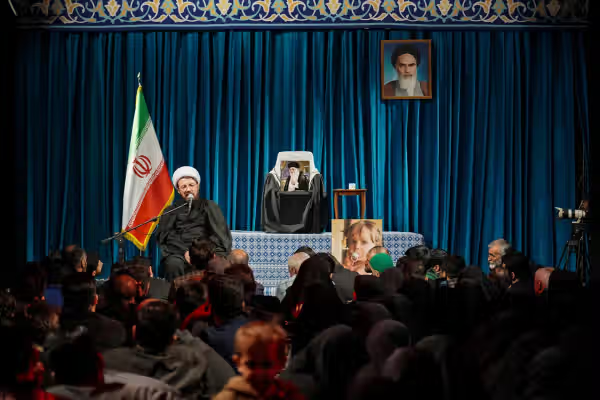
Strategy or paralysis? Tehran sends mixed signals on war and diplomacy
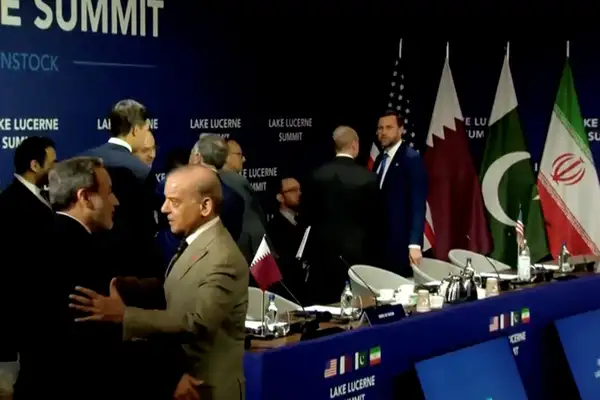
Conflicting voices in Tehran on the competing prospects of war and diplomacy with Washington may be deliberate, but they more likely reflect an absence of consensus at the top.

Conflicting voices in Tehran on the competing prospects of war and diplomacy with Washington may be deliberate, but they more likely reflect an absence of consensus at the top.

A newly announced grassroots network of Iranian doctors, nurses, paramedics and volunteers says it will provide safe medical relief and neighborhood support amid what it describes as a deepening humanitarian emergency after the crackdown that followed nationwide protests.

US investigators are examining whether cryptocurrency platforms were used to help Iranian officials and state-linked actors evade sanctions, a blockchain researcher told Reuters, as crypto use rose sharply in Iran amid currency weakness and political unrest.

Regional powers including Saudi Arabia, Qatar, Egypt and Oman are trying to bring Iran and the United States to talks in Istanbul on Friday, officials say, to stave off war – starting with Tehran’s nuclear file despite a wide gap over US demands on missiles and allied militias.

An Iranian diplomat posted in Austria has left his assignment and sought asylum in Switzerland, informed sources told Iran International on Tuesday.

Iran could launch its Hatef-3 satellite on a Simorgh rocket by the end of the current Iranian year in March, the head of the country’s space agency said on Tuesday, adding that compatibility tests are under way.

Australia imposed new sanctions on 20 individuals and three entities linked to Iran’s Islamic Revolutionary Guard Corps, accusing them of involvement in a violent crackdown on protests.

Israelis and Iranians have been cast as enemies for so long, but during Iran’s uprisings their voices tell a different story as Iranians drew a line between themselves and the Islamic Republic.

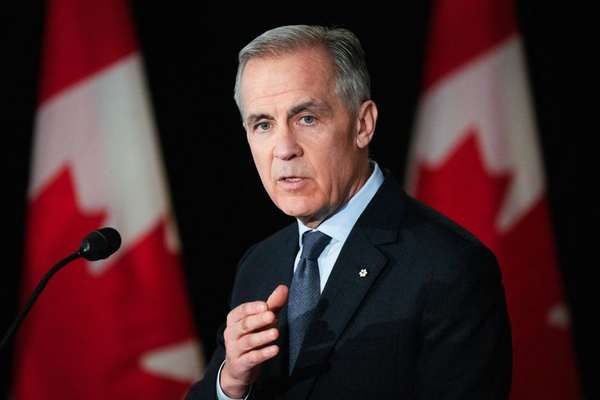
President Donald Trump on Thursday delivered a characteristically ambiguous message on Iran, pairing talk of overwhelming military force with renewed signals that he may still favor a negotiated deal.

Reza Bahmani Alijanvand, a 34-year-old Iranian protester, disappeared after attending protests in the central Iranian city of Shahin Shahr on January 8, and was later found dead in the cold storage of a cemetery, people familiar with the matter told Iran International.

Rights groups and activists are sounding the alarm over what they describe as a widening campaign of pressure, arrests and intimidation against Iranian doctors and nurses who treated injured protesters.

As Iranians mourn those killed in the nationwide crackdown, state-aligned voices are falling back on familiar defenses: downplaying the toll, casting the protests as a foreign plot, and stripping victims of civic status by branding them religious enemies.

Iran International has documented the deaths of more than six thousands people during recent protests in Iran whose names do not appear on an official government list published over the weekend.

Iran International has recorded more than 6,000 names that have not been included on the list published by the government of the Islamic Republic of Iran.

Britain on Monday imposed a new round of sanctions on Iranian officials and a state security body, targeting those it said were responsible for violent crackdowns on peaceful protests.

Iran’s Foreign Minister Abbas Araghchi said on Monday that Tehran was ready for diplomacy and said he hoped there would be results soon, as Iran weighs possible talks with the United States.

A leaked Tasnim memo seen by Iran International shows the IRGC media apparatus sought to manipulate narratives around the protests and crackdown, undermine exiled Prince Reza Pahlavi, and frame the uprising as foreign-driven – not rooted in public anger at the Islamic Republic.

Detainees in Iran are being forcibly injected with unknown substances inside detention facilities, according to eyewitness testimonies, informed sources and human rights monitors who warn of a growing pattern of deaths among current and former prisoners.

A mocking segment aired on Iran’s state television about the bodies of protesters killed in January has sparked public outrage and renewed calls, including from Islamic Republic loyalists, for the removal of the head of the national broadcaster.

Accounts from grieving families, medics and rights groups point to a grim pattern in Iran’s crackdown: wounded protesters were not just denied care but deliberately shot again in hospitals or removed alive and later killed.

When Iran cuts off internet access, millions are plunged into more than digital silence. Mental health experts say the blackouts intensify anxiety, isolation, and trauma in a society already under extreme strain.