Iran holds firm on Hormuz grip despite deadlock in US talks
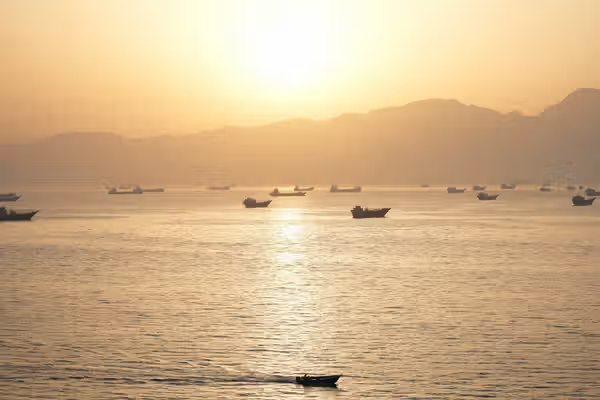
Control of the Strait of Hormuz has become Tehran’s most powerful bargaining chip as it seeks maximum leverage in the ongoing peace talks with the United States in Islamabad.

Control of the Strait of Hormuz has become Tehran’s most powerful bargaining chip as it seeks maximum leverage in the ongoing peace talks with the United States in Islamabad.

The United States revoked the permanent resident status of three Iranian nationals with ties to the Islamic Republic and placed them in immigration custody, the State Department said on Saturday.

As US and Iranian envoys prepare to meet in Pakistan this weekend, the truce between the two sides appears less a step toward peace than a fragile intermission in a war whose central disputes remain unresolved.

As US and Iranian envoys prepare to meet in Pakistan to explore a path out of the war, China is watching from further east—an influential but cautious actor that helped move diplomacy forward but is unlikely to become the guarantor Tehran would like.

The ceasefire in the US-Israeli war on Iran eased global oil markets and may finally reopen the Strait of Hormuz. But for Iran, the truce exposes an economic crisis the war had temporarily masked, with weaker fundamentals and fewer tools to respond.

In 2019, while working on the energy desk at Reuters, I began reporting on a question that has shadowed global oil markets for decades: what would happen if the Strait of Hormuz were closed?

Pro-government groups protested a ceasefire with the United States and planned negotiations, accusing officials of betraying the leadership and demanding continued confrontation, according to videos circulating on social media.

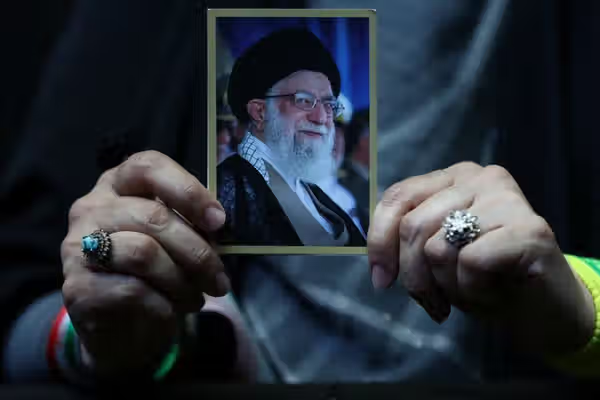
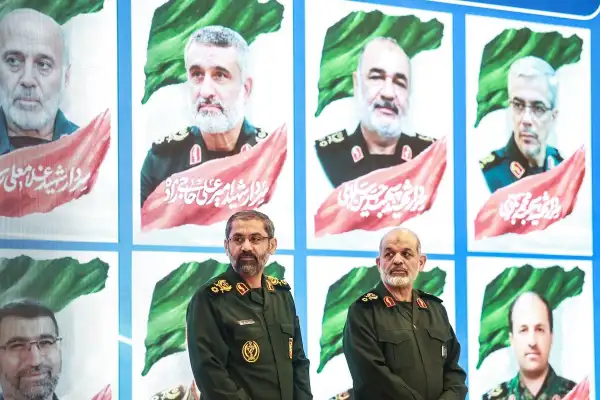
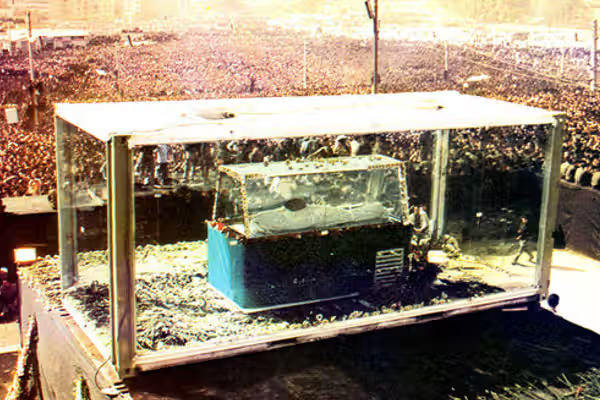
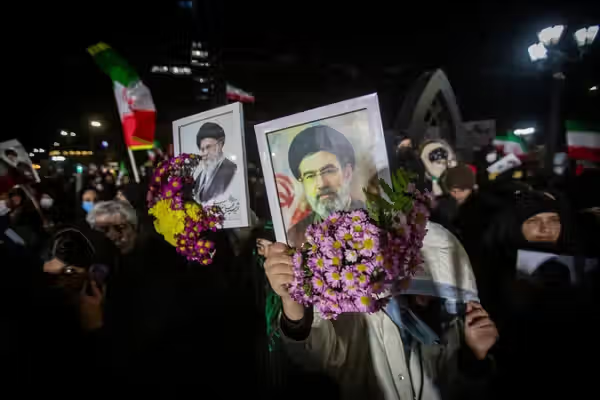
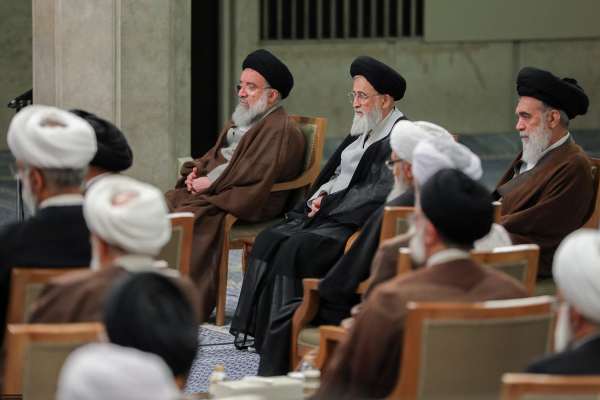
Fortieth-day ceremonies for Iran’s former Supreme Leader Ali Khamenei began on Thursday during a fragile two-week ceasefire with the United States and Israel, as authorities continued to withhold clear information about his burial 40 days after his killing.

Costa Rica designated Iran’s Islamic Revolutionary Guards as a terrorist organization, the foreign ministry said on Thursday, in a move that also blacklisted three other Iran-backed groups in the region.

Iran’s political establishment has largely rallied behind the decision by the Supreme National Security Council to accept a two-week ceasefire mediated by Pakistan, while critics warn the pause in fighting could harm prospects for political change.

As the newly announced ceasefire struggles to hold, Tehran is entering a contradictory moment marked by official celebrations, delayed funerals and renewed political infighting.

A temporary ceasefire between the United States and Iran has triggered anger and cautious hope among Iranians who sent messages to Iran International, with many describing a sense of abandonment by President Donald Trump.

Iran has released French nationals Cécile Kohler and Jacques Paris after more than three and a half years in detention, closing one chapter of a case Paris has long held up as emblematic of what it calls Iran’s practice of detaining foreign nationals on politicized grounds.

The details are still incomplete, but the positions Tehran and Washington have publicly tied to the ceasefire suggest not a shared settlement so much as a temporary halt layered over unresolved hostilities.

Donald Trump's threats to target Iran’s power plants and bridges in case of Tehran's failure to reopen the Strait of Hormuz by Tuesday night have triggered anxiety among many Iranians, even as some say the regime's survival poses a greater threat.

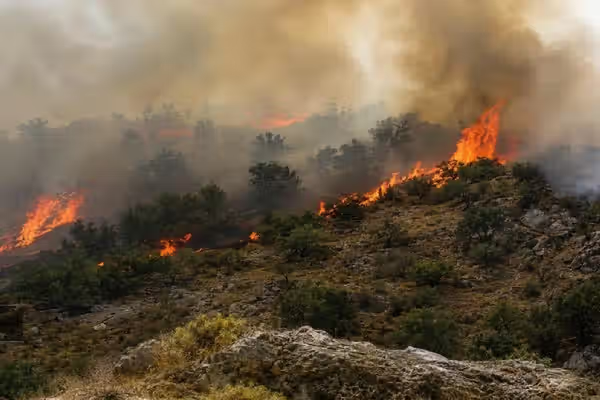
Much of the global conversation about Iran revolves around security, conflict, and nuclear risk. What is less discussed is an environmental collapse already unfolding, with consequences that extend well beyond its borders.

Israel’s campaign in Iran has reached far beyond missile depots and military command. Over roughly a month, it has also hit the architecture of domestic repression: intelligence compounds, police stations, Basij bases, judicial buildings, and senior officials tied to crackdowns.

A deepening rift at the top of the Islamic Republic has spilled into an unusually sharp confrontation, with President Masoud Pezeshkian accusing senior Guards commanders of unilateral actions that have wrecked ceasefire prospects and pushed Iran toward disaster.

Iranian security forces have still not returned the body of 18-year-old protester Amirhossein Hatami to his family, four days after his execution, in what informed sources described as further pressure on relatives already reeling from his death.

Iran’s petrochemical sector is now openly under threat, marking a significant escalation in the conflict and raising the prospect of far-reaching economic consequences for the country and potentially the wider region.

The heaviest wave of attacks in more than a week struck Iran on Monday, killing at least 49 civilians and injuring 58 others as the war between Iran, rights group HRANA reported ahead of President Trump's Tuesday deadline to hit Iranian power plants.