How a flag became a rejection of Iran’s theocratic rule
Iran's historic Lion and Sun flag has had a resurgence with latest round of widespread protests after nearly half a century of absence from the country's official identity.

Iran's historic Lion and Sun flag has had a resurgence with latest round of widespread protests after nearly half a century of absence from the country's official identity.

As much of the world celebrated the start of a new year, night fell hard on three Western towns where the final hours of 2025 and the dawn of 2026 were marked not by celebration, but deadly gunfire.
Washington and Tehran on Monday both indicated they seek talks to avoid a clash as tensions rise over Iran's deadly crackdown on protests but the bitter arch-foes indicated they were also ready to fight should diplomacy fail.
As Iran steps up a deadly crackdown on nationwide demonstrations, some analysts warned that if US President Donald Trump does not act on his vow to protect protestors, the unrest he helped galvanize may be stamped out.

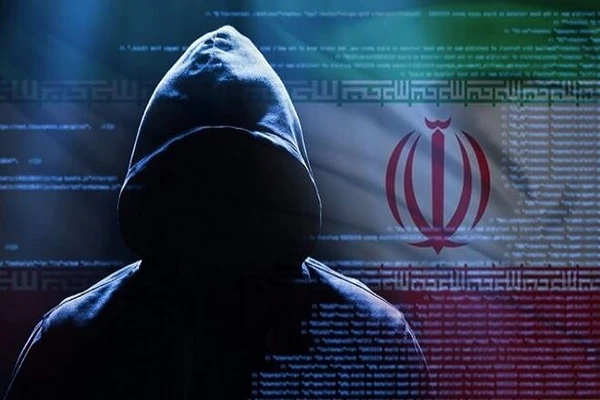
Iranian authorities have intensified efforts to choke off information and curb unrest by enforcing a nationwide internet shutdown, confiscating satellite dishes, and seizing footage from private security cameras to identify protesters, sources say.

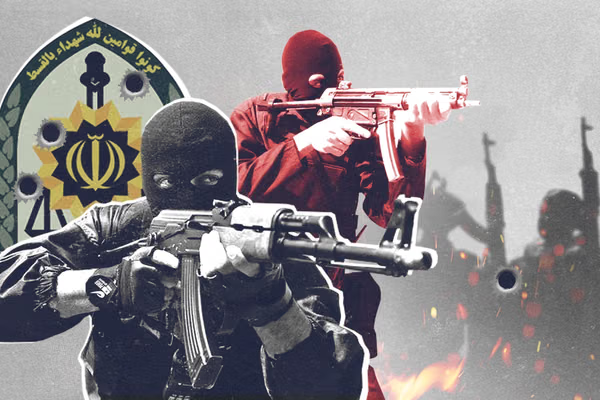
Protests continued in Tehran and in northern Iran on Sunday despite a near-total internet blackout, as security forces used lethal force nationwide and reports from activists and medical sources pointed to hundreds, possibly thousands, killed.

The Islamic Republic has entered a decisive rupture, with intensifying protests and internet blackouts pointing to a government increasingly reliant on force — dynamics that senior Western officials and analysts suggested may mark the beginning of an endgame.

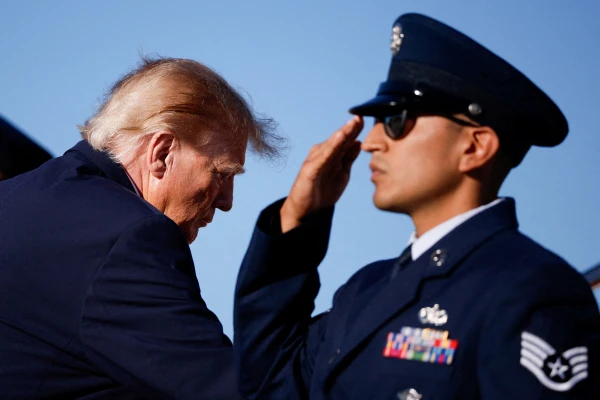
Iran’s Supreme Leader Ali Khamenei on Friday warned US President Donald Trump that he would be brought down, as he spoke about protests and accused foreign-backed forces of trying to destabilize Iran.

What happened in Iran on Thursday night was not simply another protest. Coordinated mass demonstrations unfolded nationwide in response to a direct call from Prince Reza Pahlavi that specified not only the action but also the timing.

Millions of Iranian protesters filled the streets across the country on the 12th day of nationwide protests, with human rights groups saying at least 42 people including five minors have been killed so far.

The idea that Iran could change course through a shift at the top—without the collapse of the structure itself, and with a pragmatic figure opening up to the world—rests on a false assumption about how power actually works in Tehran.

US President Donald Trump warned Iran’s authorities against killing protesters amid nationwide demonstrations on Thursday, praising Iranians as “brave people.”

Iran may not be Venezuela, but the Islamic Republic may at its most vulnerable point in its near 50-year existence as pressure builds from the streets, foreign intelligence services and inside the clerical establishment, analysts told Iran International.

Exiled Prince Reza Pahlavi on Tuesday issued his first public call for protests since the latest nationwide uprising began, urging coordinated chanting on Thursday evening, hours after Kurdish opposition parties separately called for a general strike that day.

Protesters in Iran have appealed directly to Donald Trump for protection according to new videos sent to Iran International on Tuesday after the US president twice warned Tehran not to kill demonstrators or face US intervention.

A new photo of US President Donald Trump posing with a “Make Iran Great Again” hat is ramping up suspense over US intentions as protests there which Trump vowed to protect are being met with deadly force.

Money held by Iran in Venezuela has already been withdrawn, the head of the Iran-China Joint Chamber of Commerce said on Monday, as questions grow over Iran’s investments following the arrest and transfer of Venezuelan President Nicolas Maduro by the United States.

Protests continued across Tehran and other parts of the country on Sunday, with security forces deployed in large numbers around the capital’s main bazaar and major shopping centers as demonstrations entered their eighth day.

Tehran snapped back into protest mode following two nights of relative quiet, shortly after Donald Trump warned the United States was “locked and loaded” to intervene if Iran kills peaceful demonstrators.

No one can say with certainty whether the current protests will spiral into a revolution. But analysts tell Eye for Iran it is becoming harder to ignore signs that Iran’s theocracy may be entering a period of repeated crises that challenge its ability to function as a state.

Iran’s official defense export agency is offering to sell ballistic missiles, drones and other advanced weapons systems to foreign governments in exchange for cryptocurrency and barter, Financial Times reported on Thursday.

The fifth day of protests in Iran became the deadliest so far, with at least seven protesters killed by security forces, as rallies spread to new cities including the clerical stronghold of Qom, where protesters called for the downfall of the theocracy.