What the 1991 uprising in Iraq can teach US and Iran
About a month ago, US President Donald Trump urged Iranians to keep protesting and take over institutions, saying that “help is on the way.”

About a month ago, US President Donald Trump urged Iranians to keep protesting and take over institutions, saying that “help is on the way.”

The night air on Jan. 8 in northeastern Tehran filled with chants rising in defiance. Among them stood Pooya Faragerdi, a violinist whose life was measured in music and a heart that beat for Iran. Then came the gunfire.

Iranians took to social media on the anniversary of the 1979 Revolution to challenge the Islamic Republic’s claims of overwhelming public support, sharing videos of anti-government chants and questioning the authenticity of state broadcasts.

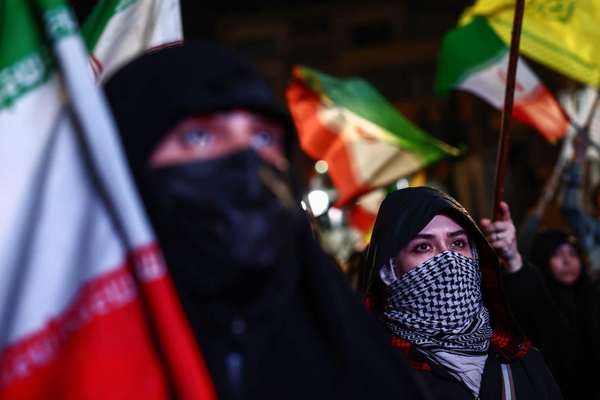
During state-organized rallies marking Iran’s 1979 revolution anniversary, demonstrators in several cities burned large statues of a horned, bull-headed figure identified by organizers as “Baal,” an ancient deity referenced in biblical and Islamic tradition.

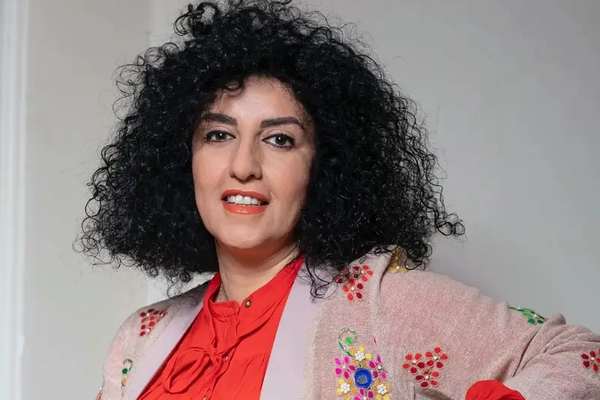
European Parliament called for the immediate release of Nobel Peace Prize laureate Narges Mohammadi and other women held in detention in Iran, condemning violence against the country’s population.

The European Parliament on Thursday condemned what it described as systematic repression by Iran’s authorities against protesters and civil society, warning that reported killings during recent unrest could amount to crimes against humanity.

Iran’s President Masoud Pezeshkian, a physician-turned-politician, said in the olden days a doctor working in a remote area made six thousand dollars a month while “as president, now I make a thousand dollars a month.”

Turkey’s foreign minister has warned that expanding nuclear talks with Iran to include its ballistic missile program and regional activities would risk triggering another war, even as Washington continues to press for a broader agreement.

The United Nations said a congratulatory letter sent by Secretary-General António Guterres to Iranian President Masoud Pezeshkian on the anniversary of Iran’s 1979 Revolution was a routine diplomatic gesture and should not be interpreted as an endorsement of Tehran’s policies.

Israel’s Prime Minister Benjamin Netanyahu believes only direct engagement with US President Donald Trump can prevent a limited nuclear deal with Iran—and turn this moment into a decisive blow against the Islamic Republic.

The message coming out of Tehran on the anniversary of the 1979 Islamic Revolution was that Iran is willing to negotiate with the United States, though it remains unclear how its declared “red lines” can be squared with Washington’s demands.

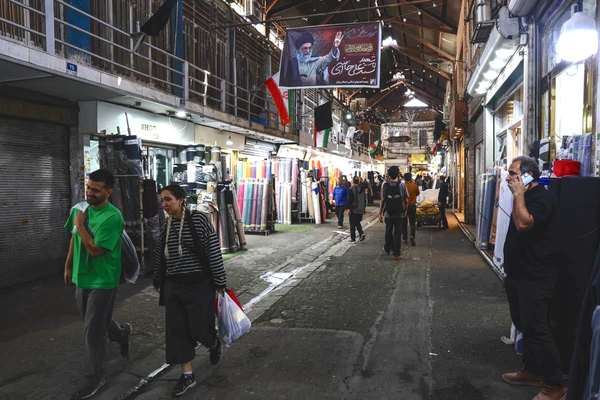
One month after a sweeping and deadly crackdown on nationwide protests, Islamic Republic marked its anniversary with state-organized rallies that appeared designed to project strength even as anti-government chants reverberated across neighborhoods nationwide.

An Iranian teachers' union has confirmed the identities of 200 students killed during the January protests and published their names, defying efforts to suppress information about the deaths.

Free expression group ARTICLE 19 said China has spent more than a decade helping Iran build one of the world’s most restrictive internet control systems, supplying technology and a governance model used for censorship, surveillance and shutdowns.

Iran International has obtained information alleging that senior Iranian diplomats transported large amounts of cash to Beirut in recent months, using diplomatic passports to move funds to Lebanon’s Hezbollah.

The arrest of several prominent reformist figures in Tehran appears less aimed at silencing dissent than at tightening control at a moment of acute vulnerability for the state, as Iran navigates renewed talks with the United States under the shadow of war.

The Canadian Senate held a hearing on Tuesday on a new immigration and border security bill with much of the discussion focusing on individuals allegedly linked to the Islamic Republic living freely in Canada.

Iran’s January protests were the predictable result of years of ignored economic and social warning signs, according to one of the country’s most prominent economists, who says the state failed to recognize how close society had come to the brink.

Israeli Prime Minister Benjamin Netanyahu’s hastily advanced trip to Washington this week underscores the rising stakes surrounding renewed diplomacy between Iran and the United States.

Tehran appears to be speaking in two voices about diplomacy with Washington: one calibrated for foreign capitals, the other aimed inward, shaped by fear, factionalism, and propaganda.

The Islamic Revolutionary Guards Corps’ intelligence organization and Iran’s Intelligence Ministry pressured families of some detainees linked to nationwide protests to attend a pro-state rally marking the anniversary of the 1979 revolution, sources told Iran International.