
Crisis at home shrinks Tehran’s margin for error abroad
In a speech on Friday, Supreme Leader Ali Khamenei left little doubt that Tehran intends to confront the current wave of protests with force rather than concession.
In a speech on Friday, Supreme Leader Ali Khamenei left little doubt that Tehran intends to confront the current wave of protests with force rather than concession.

Dozens of people have been killed in protests across Iran in recent days, according to human rights groups and witness accounts, with the full scale of casualties from Thursday night still unknown after authorities imposed a nationwide internet blackout.

Iran’s Supreme Leader Ali Khamenei on Friday warned US President Donald Trump that he would be brought down, as he spoke about protests and accused foreign-backed forces of trying to destabilize Iran.

What happened in Iran on Thursday night was not simply another protest. Coordinated mass demonstrations unfolded nationwide in response to a direct call from Prince Reza Pahlavi that specified not only the action but also the timing.

Millions of Iranian protesters filled the streets across the country on the 12th day of nationwide protests, with human rights groups saying at least 42 people including five minors have been killed so far.

The idea that Iran could change course through a shift at the top—without the collapse of the structure itself, and with a pragmatic figure opening up to the world—rests on a false assumption about how power actually works in Tehran.

US President Donald Trump warned Iran’s authorities against killing protesters amid nationwide demonstrations on Thursday, praising Iranians as “brave people.”
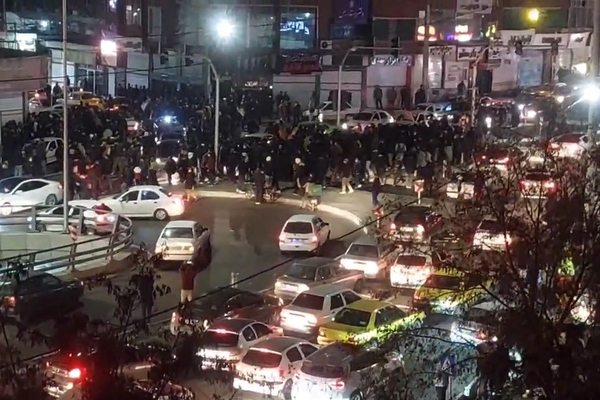
It began with metal shutters dropping in Tehran. At two neighboring shopping centers, shopkeepers on Dec. 28 pulled down their doors as security forces moved in, and the first chants rose from the corridors into the street.

A nationwide internet outage has gripped Iran, according to London-based internet monitoring group NetBlocks, shortly after massive crowds poured into the streets following calls for nationwide protests.

British lawmaker Tom Tugendhat told parliament on Thursday that there were reports of Russian cargo aircraft landing in Tehran and quantities of gold leaving the country.

Iranian officials have begun publicly blaming one another and foreign foes for ongoing unrest across the country, exposing sharp divisions in Tehran on one of the greatest challenges yet to the Islamic Republic.

The Western Iranian province of Ilam has emerged as one of the epicenters of nationwide protests, with some of the deadliest confrontations yet between demonstrators and security forces.
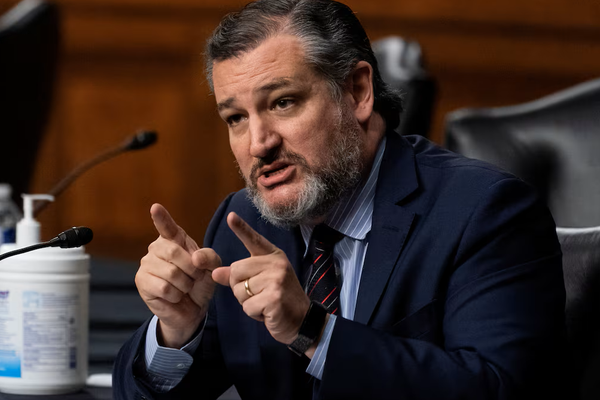
US Senator Ted Cruz told Iran International on Wednesday that the American people back ongoing protests in the country against theocratic rule and credited President Donald Trump for attacks on Iranian nuclear sites in June.

Iran may not be Venezuela, but the Islamic Republic may at its most vulnerable point in its near 50-year existence as pressure builds from the streets, foreign intelligence services and inside the clerical establishment, analysts told Iran International.

Chinese independent refiners are expected to increasingly rely on Iranian heavy crude in the coming months, as Venezuelan oil shipments to China stall after the United States moved to redirect Venezuelan exports, traders and analysts told Reuters.

An Iranian newspaper reported that security forces blocked blood donations and took wounded protesters from a hospital after opening fire on demonstrations in the western town of Malekshahi, a rare domestic account of alleged abuses that has drawn condemnation from rights groups.

Iran’s foreign minister said on Wednesday that protests roiling the country could be resolved by the country's government and people, calling the unrest an internal matter in an apparent rebuke to US solidarity with demonstrators.
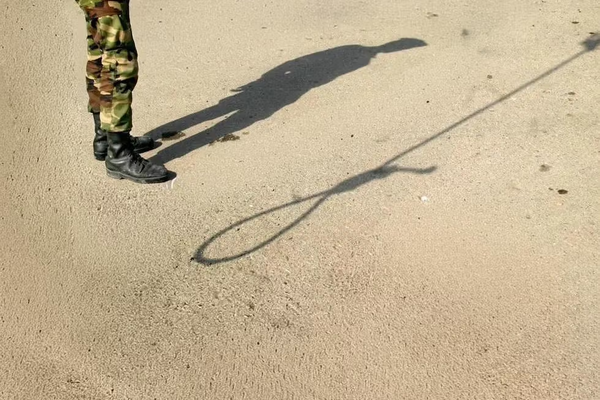
Iran executed a man convicted of spying for Israel’s Mossad intelligence agency on Wednesday, state media said, in a case authorities described as involving the transfer of sensitive security information and direct coordination with alleged Israeli operatives inside the country.
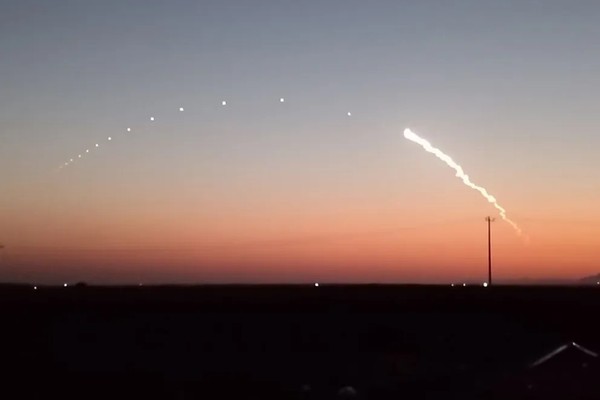
Tehran appears to be placing growing emphasis on its ballistic missile program amid continued domestic unrest and the looming possibility of US intervention in support of protesters in Iran.

State media in Iran are portraying the country as calm, even as rights groups and videos emerging from streets point to expanding protests and intensifying repression.

Exiled Prince Reza Pahlavi on Tuesday issued his first public call for protests since the latest nationwide uprising began, urging coordinated chanting on Thursday evening, hours after Kurdish opposition parties separately called for a general strike that day.