
How a flag became a rejection of Iran’s theocratic rule
Iran's historic Lion and Sun flag has had a resurgence with latest round of widespread protests after nearly half a century of absence from the country's official identity.
Iran's historic Lion and Sun flag has had a resurgence with latest round of widespread protests after nearly half a century of absence from the country's official identity.

I am writing this from Tehran after three days of trying to find a way to send it: things may get a lot worse before they get any better.

A video circulated by Iran’s state media to promote pro-government rallies has gained wide traction online, with social media users questioning its authenticity and pointing to apparent inconsistencies, reflecting broader public mistrust of official messaging.

Several foreign influencers supportive of the Islamic Republic have published content portraying life in Tehran as calm despite an escalating deadly crackdown on protests across the country amid an internet blackout.

At least 12,000 people have been killed in Iran in the largest killing in the country's contemporary history, much of it carried out on January 8 and 9 during an ongoing internet shutdown, according to senior government and security sources speaking to Iran International.

As much of the world celebrated the start of a new year, night fell hard on three Western towns where the final hours of 2025 and the dawn of 2026 were marked not by celebration, but deadly gunfire.

Washington and Tehran on Monday both indicated they seek talks to avoid a clash as tensions rise over Iran's deadly crackdown on protests but the bitter arch-foes indicated they were also ready to fight should diplomacy fail.

As Iran steps up a deadly crackdown on nationwide demonstrations, some analysts warned that if US President Donald Trump does not act on his vow to protect protestors, the unrest he helped galvanize may be stamped out.

Iranian authorities have intensified efforts to choke off information and curb unrest by enforcing a nationwide internet shutdown, confiscating satellite dishes, and seizing footage from private security cameras to identify protesters, sources say.

As Tehran faces its sharpest internal challenge since the 2022 Woman, Life, Freedom protests, the ruling elite’s ability to withstand sustained popular protests now rests not only on domestic coercion but increasingly on backing from Moscow.

Tehran on Monday escalated its public warnings to Washington, mooting retaliation for any attack while dismissing US president Donald Trump's pledges to protect protestors even as reports emerged of quiet diplomatic outreach intended to avert war.

Iran’s nationwide internet shutdown has completely cut off public access to online platforms since January 8, while many state-linked and security-affiliated media outlets have continued operating on Telegram.

Tehran on Monday conducted large pro-government rallies in several cities intended to counter the nationwide protests challenging its rule, in a strategy it has deployed against previous bouts of mass unrest ultimately crushed by deadly force.

Protests continued in Tehran and in northern Iran on Sunday despite a near-total internet blackout, as security forces used lethal force nationwide and reports from activists and medical sources pointed to hundreds, possibly thousands, killed.

A widely shared image of a young Iranian woman using a burning portrait of Supreme Leader Ali Khamenei to light a cigarette has gone viral as a symbol of defiance in Iran’s latest protests.

As protests continue across Iran under a near-total internet shutdown, a viral clip showing a cleric calling for the Islamic Republic’s overthrow has fueled debate over the role of the clergy and broader shifts in public attitudes.
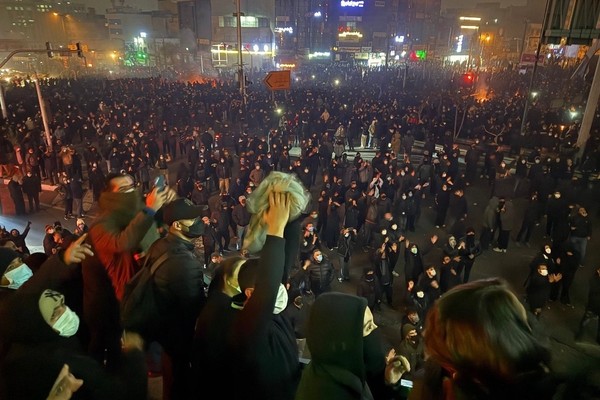
Iran's security forces are using lethal force against protesters nationwide, informed sources told Iran International, with preliminary estimates pointing to mass casualties as a sweeping crackdown unfolds amid a near-total internet shutdown.

Tehran is signaling no retreat in the face of escalating protests, issuing fresh threats and hardening its rhetoric even as unrest continues across multiple cities.
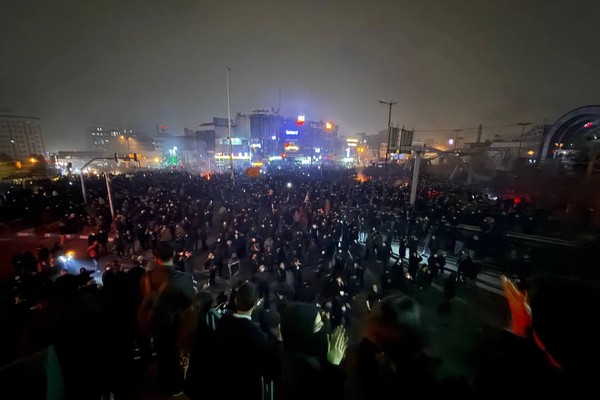
Nationwide protests in Iran stretched into their 13th consecutive day on Friday as demonstrators returned to the streets for a second night following a call by exiled Prince Reza Pahlavi, with authorities enforcing a sweeping internet blackout and threatening severe punishment.

The Islamic Republic has entered a decisive rupture, with intensifying protests and internet blackouts pointing to a government increasingly reliant on force — dynamics that senior Western officials and analysts suggested may mark the beginning of an endgame.

Internet experts are warning that Iran’s sweeping nationwide internet blackout is being used to shield lethal crackdowns on protesters, cutting off evidence of state violence as unrest continues across the country.