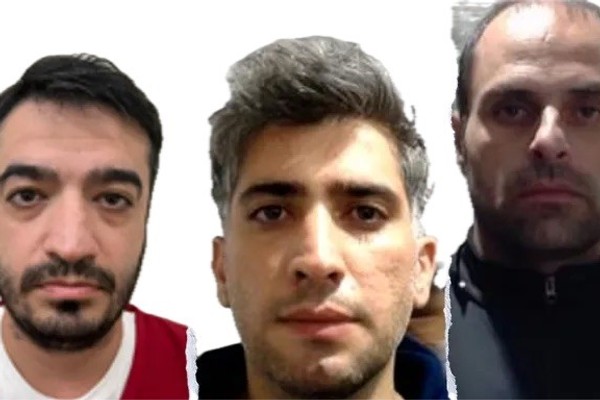
US deports three former IRGC members, ICE says
The United States has deported three former members of Iran’s Islamic Revolutionary Guard Corps (IRGC), US Immigration and Customs Enforcement (ICE) said in a post on X.
The United States has deported three former members of Iran’s Islamic Revolutionary Guard Corps (IRGC), US Immigration and Customs Enforcement (ICE) said in a post on X.
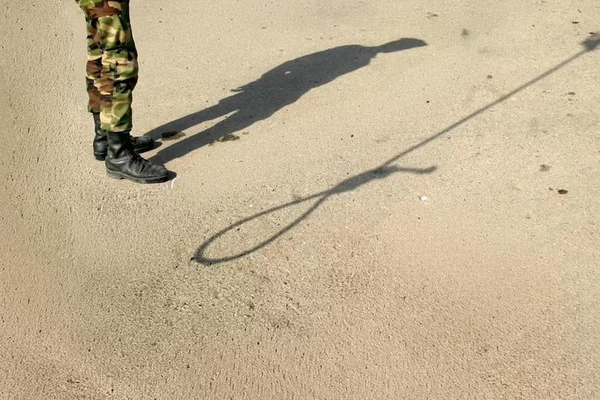
Iran’s judiciary said on Wednesday it executed a man it identified as Hamidreza Sabet Esmailipour, whom it accused of spying for Israel’s intelligence service, Mossad, after his death sentence was upheld by the Supreme Court.
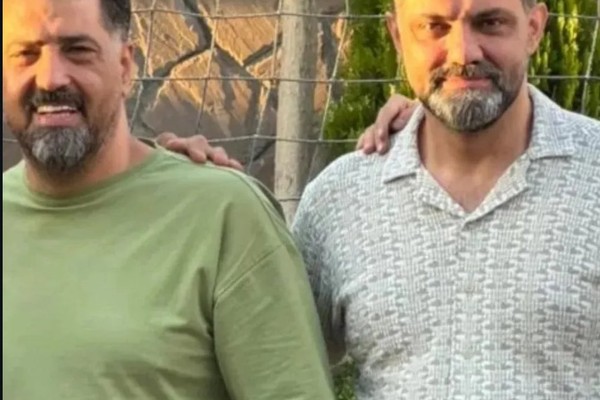
Brothers Hamid and Vahid Arzanlou were two well-known entrepreneurs in Iran’s furniture industry who despite their wealth still chose to raise their voices in anti-government protests this month and paid with their lives.
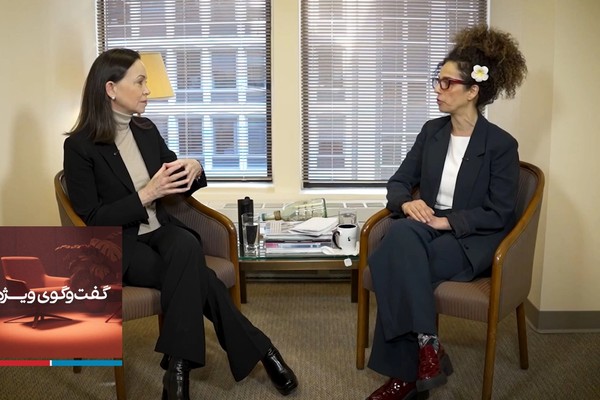
Iranian and Venezuelan opposition figures in a meeting in Washington DC urged the United States and its allies to act against what they described as an axis of repression between their two countries.
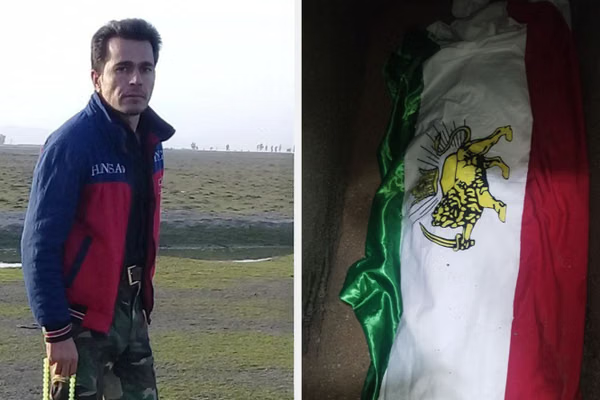
Mojtaba (Shahmorad) Shahpari, a protester from the southwestern Iranian city of Izeh who was injured during the nationwide protests and later found dead in a cold storage warehouse in Isfahan, was laid to rest wrapped in the lion and sun flag, fulfilling his final wish.
Iranian families are turning funerals of youths killed in a deadly protest crackdown this month into celebrations of life, with dancing and wedding music aimed at defying their heartbreak and state repression.

As Iran’s authorities continue sealing off global internet access, thousands of Iranian volunteers abroad are helping users inside the country slip through what few narrow digital cracks remain.

A long video of an Iranian father's agonized trudge among the bloodied corpses of slain protestors in a Tehran morgue in search of his son has seared viewers with the enormity of the state's mass killings this month.

The killing of 36,500 people in just two days represents a scale of violence without precedent in the history of repression under the Islamic Republic – and one that stands out even when compared with some of the deadliest episodes of state violence and full-scale wars worldwide.

A single number – 3,117 – has appeared repeatedly in Iranian official statistics, from protest deaths to public health data, raising doubts about the credibility and methodology behind state-reported statistics.
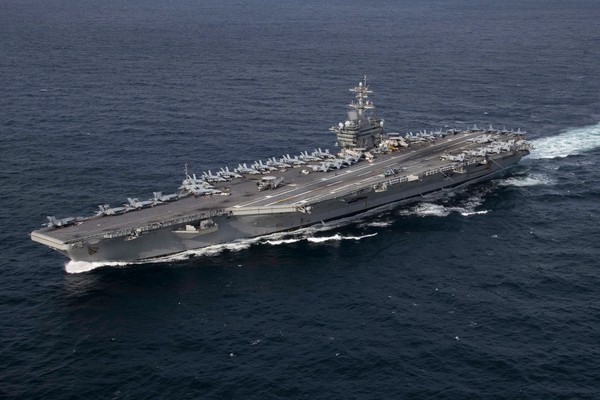
The Trump administration wants Tehran to halt its nuclear “escalations,” ballistic missile program and support for regional proxy groups, a spokesperson for the Department of State told Iran International on Monday.
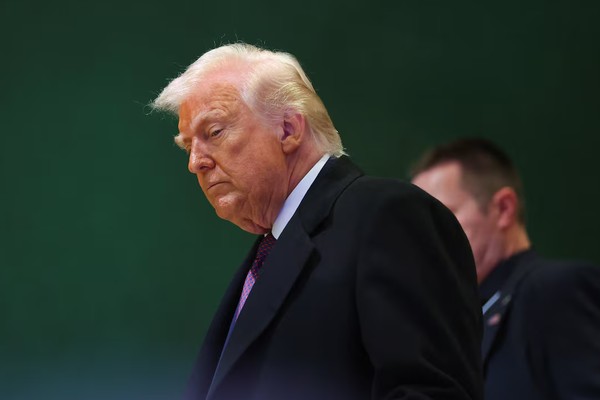
US President Donald Trump’s dramatic naval buildup in the Middle East appears to have generated more strategic uncertainty than clarity both in Tehran and in Washington.
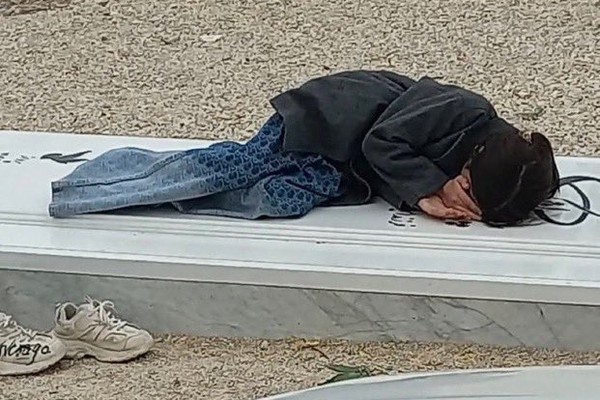
After killing thousands across Iran in just days, Iran’s government is denying families the right to mourn by blocking burials and seizing bodies in its push stamp on the embers of unrest.
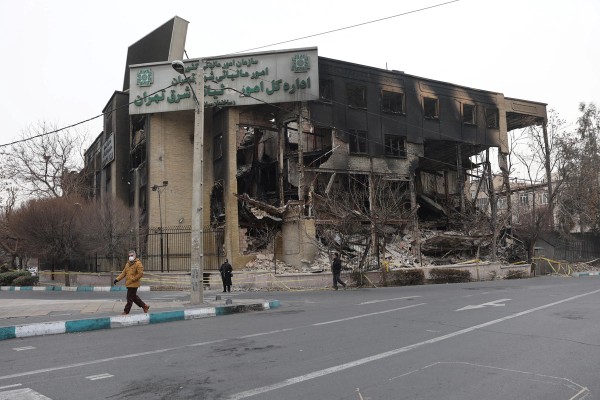
Iran cannot simply rewind to the weeks before the protests began. The crackdown hardened public anger, while an already overstretched economy and energy system lost what little room they had to absorb another shock.
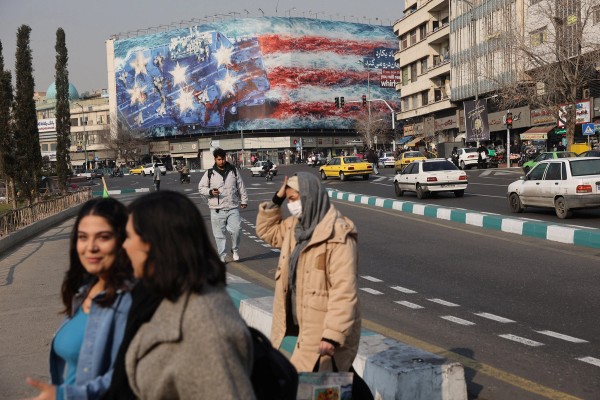
An independent research group said on Saturday it had identified a large, coordinated social media influence operation it linked to the Islamic Republic, aimed at shaping global narratives and suppressing dissent during the country’s uprising.
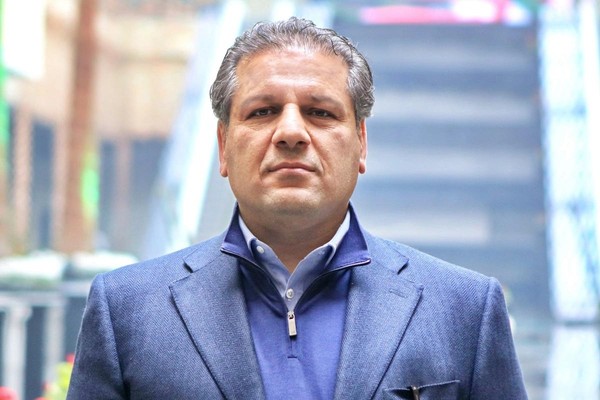
Ali Ansari, an Iranian businessman under UK sanctions for allegedly financing Iran’s Islamic Revolutionary Guards, built a European property portfolio worth about €400 million, according to a Financial Times investigation based on corporate filings.
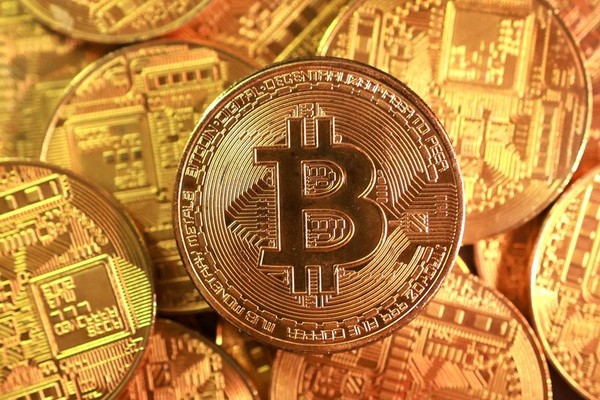
Cryptocurrency is a rare tool embraced by both Iran’s rulers and its citizens—used at the top to enrich elites to dodge sanctions and at the bottom to survive the economic devastation wrought by their policies.
Iran said about 40 Iranian citizens will be returned from the United States to Iran on Sunday, after being held for months in US immigration detention centers.
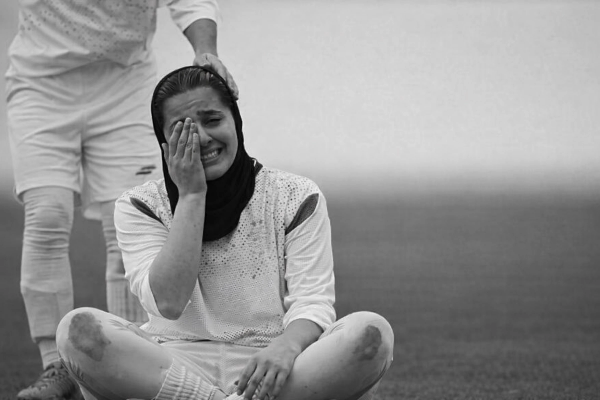
With tens of thousands killed and society still reeling, the Islamic Republic has turned to sport to project normalcy as matches return, but players’ muted celebrations and empty stadiums show how little of the script still holds.
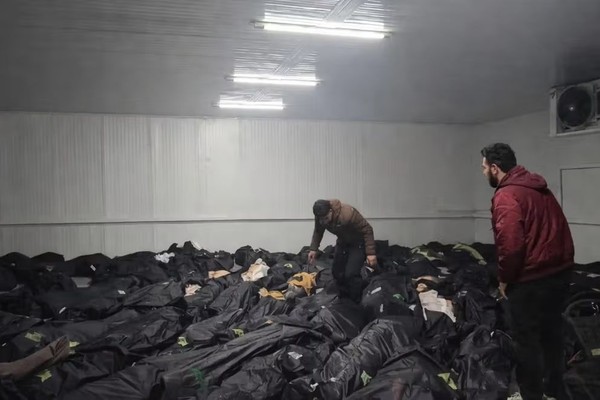
More than 36,500 Iranians were killed by security forces during the January 8-9 crackdown on nationwide protests, making it the deadliest two-day protest massacre in history, according to documents reviewed by Iran International's Editorial Board.
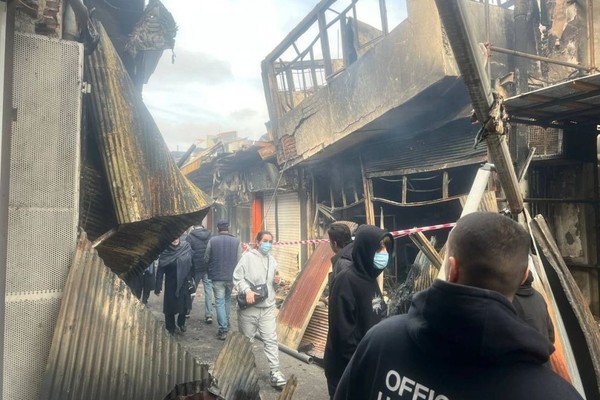
Iran’s state broadcaster has reached a point where control no longer translates into attention, exposing how years of manipulation, omission and distrust have hollowed out its authority and left a system that still fills airtime but is no longer watched.