Pakistan PM says efforts ongoing to resolve US-Iran conflict
Full efforts are still being made to resolve the conflict between the United States and Iran, Pakistan's Prime Minister Shehbaz Sharif said on Monday.


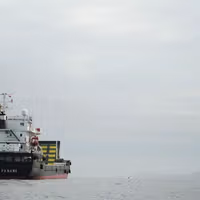
The United Kingdom Maritime Trade Operations (UKMTO) said maritime access restrictions affecting Iranian ports and coastal areas came into force at 1400 UTC on April 13, 2026.
The advisory said the measures apply to vessels of all flags engaging with Iranian ports, oil terminals, or coastal facilities, and encompass the entirety of Iran’s coastline, including energy infrastructure.
UKMTO said formal details, including enforcement provisions and exemptions, would be issued through official Notices to Mariners.
Transit through the Strait of Hormuz to or from non-Iranian destinations has not been reported to be impeded, although vessels may encounter military presence, directed communications, or right-of-visit procedures during passage, the advisory added.
Neutral vessels currently within Iranian ports have been granted a limited grace period to depart, UKMTO said.
Mariners operating in the Strait of Hormuz, the Gulf of Oman, and adjacent waters were advised to maintain heightened situational awareness, ensure maximum bridge readiness, and exercise caution in bridge-to-bridge VHF communications.
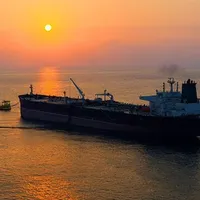
Indian tankers transiting through the Strait of Hormuz did not pay tolls to Iran, Tehran’s ambassador to New Delhi said on Monday, after US President Donald Trump vowed to block passage for vessels making payments to Iran.
“You can ask the Indian government if we have charged anything up to now,” Ambassador Mohammad Fathali told reporters at a briefing at Iran’s embassy.
“In this difficult time, we have good relations. We believe Iran and India share common interests and a common fate,” he added.
Israeli Prime Minister Benjamin Netanyahu said the ceasefire between Iran and the United States “could turn on a dime.”
Netanyahu said US Vice President JD Vance briefed him while returning from talks with Iran in Pakistan. He said Washington objected to what he described as Iran’s violation of the agreement.
“The agreement was that they would stop the fire, and the Iranians would immediately open the Strait (of Hormuz) — they did not do so. The Americans could not accept this,” Netanyahu said.
He added that Vance told him the central US objective was “removing all enriched material and ensuring that there will be no enrichment in the coming years — possibly for decades — no enrichment inside Iran.”
Netanyahu also voiced support for US President Donald Trump’s decision to impose a blockade on the Strait of Hormuz.
The US military said on Monday that its blockade of Iran would not impede neutral transit through the Strait of Hormuz to or from non-Iranian destinations, Reuters reported, citing a notice sent to seafarers.
The blockade would be enforced in the Gulf of Oman and the Arabian Sea east of the Strait of Hormuz, according to the report.
It said the measure would apply to all vessel traffic regardless of flag, adding that humanitarian shipments, including food, medical supplies and other essential goods, would be allowed subject to inspection.
Restoring freedom of navigation in the Strait of Hormuz was of paramount importance, European Commission President Ursula von der Leyen said on Monday.
“The ongoing closure of the Strait of Hormuz is greatly damaging,” von der Leyen said.
She added that there could be no stability in the Middle East while Lebanon was still being bombarded.