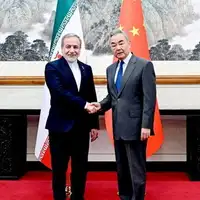
Araghchi said Iran had never abandoned diplomacy based on mutual respect and mutual interests.
“The people of Iran must be spoken to with respect,” Araghchi said, adding that Iran would respond respectfully to anyone who did so.
Iran’s President Masoud Pezeshkian, meanwhile, ordered the start of negotiations with the United States, Fars news agency quoted a source in the administration as saying, adding that negotiations would take place within the framework of the nuclear issue.
Fars later changed the wording of the report and said nothing is final about the status of the negotiations.
The report followed remarks earlier in the day by foreign ministry spokesperson Esmaeil Baghaei, who said talks between Iran and the US would probably be held in Turkey in the coming days.
At his weekly news conference, Baghaei said any Tehran-Washington negotiations would proceed step by step.
He said alongside “the issue of threats,” the priority for the Islamic Republic would be sanctions relief, which he called “a fundamental and non-negotiable priority.” He also thanked Turkey for its role in helping reduce regional tensions.
Tasnim news agency, which is affiliated with the Revolutionary Guard, confirmed the possibility of talks but said the time and place were not final. It said talks would likely be held between the Iranian foreign minister, and Steve Witkoff, the US special envoy.
A senior Iranian official and a Western diplomat told Reuters on Monday that Witkoff and Araghchi could meet in Turkey in the coming days.
A Turkish ruling party official told Reuters that Tehran and Washington had agreed that talks would focus on diplomacy, seen as a possible reprieve from potential US strikes.
Qatar and Egypt were also being considered as possible hosts for talks, Iran’s ISNA news agency reported.