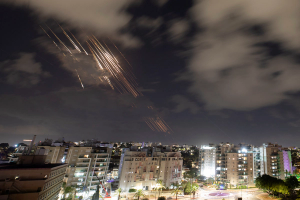
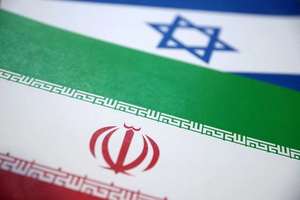
Ali Mohammad Naini, spokesman for the Islamic Revolutionary Guard Corps (IRGC), said Israel and its allies had pursued a dual strategy during the conflict: direct military confrontation alongside efforts to destabilize Iran from within.
“The enemy’s defeat in the 12-day war was precisely here,” Naini said. “They tried to drag the war inside the country, but that project failed.”
Naini was speaking at a meeting to organize commemorations for December 30, a state-marked anniversary tied to mass rallies that followed the disputed 2009 presidential election and the suppression of the Green Movement protests – one of the largest episodes of unrest in Iran’s recent history.
The Green Movement is often cited alongside the 2019 Bloody November protests and the 2022 Woman, Life, Freedom demonstrations as the most significant challenges to the Islamic Republic since its founding.
Naini said Iran’s adversaries had assumed that air strikes would be followed by protests, riots or internal collapse, repeating what he described as a long-standing “illusion of chaos” rooted in past episodes of unrest.
“They sat in their war rooms with a wrong calculation, waiting for disorder, riots and the breakdown of the country from within,” he said.
Instead, Naini said the attacks were followed by large public reactions that included anti-Israel rallies and funerals for those killed, which he portrayed as demonstrations of national unity.
He said Israel underestimated what he described as a “fortress-like” popular cohesion and that attempts at what Iranian officials often call soft war or cognitive war aimed at weakening society from within were completely unsuccessful.
“The enemy shifted from military war to cognitive war, using pessimism, division and exaggerating social dissatisfaction to weaken the unity that was formed,” Naini said.
The remarks come as regional tensions remain high and as Israel weighs next steps.
NBC News reported over the weekend that Israeli officials are preparing to brief US President Donald Trump on options for possible new military strikes on Iran, citing concerns that Tehran is rebuilding facilities linked to ballistic missile production and repairing air defenses damaged in earlier attacks.
Israeli Prime Minister Benjamin Netanyahu is expected to raise the issue during an upcoming meeting with Trump, including options for US support or participation in any future action, according to the report.
Trump has repeatedly said US strikes in June destroyed Iran’s nuclear capabilities and has warned Tehran against trying to rebuild them. Iran denies seeking nuclear weapons and says its military and nuclear programs are defensive.
Naini said Iran continues to monitor what he described as hostile plans closely, adding that the lesson Iranian officials draw from both past unrest and the recent war is that internal cohesion remains decisive in confronting external threats.