Iranians turn to credit to afford winter celebration treats
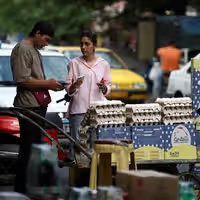
Iranians shopping for Yalda night, the winter solstice
Soaring costs have pushed many Iranian families to buy nuts and sweets on credit ahead of Yalda Night, the traditional winter celebration marking the longest night of the year, as sharp price increases squeeze household budgets in the final days of December.
Iranian media reported that prices for various types of nuts and dried fruit have risen between 40 percent and, in some cases such as pistachios and cashews, up to 100 percent compared with last year.
Yalda is an ancient Iranian celebration marking the longest night of the year, observed on the winter solstice, usually on December 20 or 21. Families and friends gather after sunset to stay awake through the night, symbolizing the triumph of light over darkness and the gradual return of longer days.
Dideban Iran, citing official data, said the surge reflects higher production costs, currency volatility and rising packaging expenses, according to traders active in the sector.
Vendors told the outlet that demand has dropped markedly compared with last year, despite Yalda being one of Iran’s most important traditional celebrations, when families typically gather around tables filled with fruit, nuts and sweets.
The evening centres on shared food, especially pomegranates and watermelon, which are associated with health, renewal, and the memory of summer. A common ritual is fal-e Hafez, the practice of opening the poetry book of Hafez and reading verses believed to offer insight or guidance. Rooted in pre-Islamic traditions and linked to Zoroastrian ideas of light and renewal, Yalda remains a widely observed cultural event in Iran, bringing together generations around storytelling, poetry, and collective resilience against the cold and dark of winter.
Instalment sales
The prices for Yalda nuts were up 40 to 45 percent year on year, Mehdi Bakhtiari-Zadeh, acting head of Tehran’s municipal fruit and vegetable markets organization, said on Wednesday. The retail price of a kilogram of sweet nut mix this year, he said, stands at about 6,660,000 rials (around $5), compared with roughly 4,000,000 to 4,500,000 rials ($3 to 3.5) last year.
Average monthly income for workers in Iran in 2025 is generally less than$150.
With household purchasing power eroded, Dideban Iran reported that some shops have resorted to alternative sales methods, including instalment plans and even accepting checks, to attract customers unwilling or unable to pay upfront.
Sweets shrink as costs climb
Rising costs have also hit the confectionery sector. The ILNA news agency quoted Ali Bahremand, head of Tehran’s confectioners and pastry sellers union, as saying there is no shortage of raw materials, but high prices have pushed consumers toward buying smaller quantities, often half-kilogram boxes instead of larger ones.
According to Bahremand’s remarks, the prices of key inputs such as cooking oil and eggs have increased by about 167 percent and 200 percent respectively compared with the same period last year, contributing to a sharp fall in overall sweet purchases.
The price hikes come amid broader increases in basic goods approved by the government in recent months. Citizens have told Iran International that dairy prices, another key ingredient for Yalda treats, have risen sharply, with some families saying such products have already been removed from their diets, underscoring how traditional celebrations are increasingly shaped by economic strain.