Iran’s nuclear chief on Wednesday pledged to continue advancing the country’s nuclear program with what he described as “faith, revolutionary spirit, and heartfelt conviction,” vowing to resist demands from the United States and other powers.
Read more here.

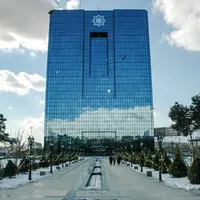

Iran’s nuclear chief on Wednesday pledged to continue advancing the country’s nuclear program with what he described as “faith, revolutionary spirit, and heartfelt conviction,” vowing to resist demands from the United States and other powers.
“I assure [you] that... we will stand against the excessive demands of the United States and other hegemonic powers,” Atomic Energy Organization head Mohammad Eslami said in a statement addressed to Supreme Leader Ali Khamenei, as reported by Iranian news agency ISNA.
His remarks followed a speech by Khamenei in which the Supreme Leader dismissed a US proposal for a new nuclear deal and said uranium enrichment was the backbone of Iran’s nuclear program.
Speaking at a ceremony marking the anniversary of Islamic Republic founder Ruhollah Khomeini’s death, Khamenei rejected any compromise on enrichment and said the US “cannot do a damn thing in this matter.”
While Eslami did not mention enrichment directly, he praised progress in areas such as the nuclear fuel cycle and credited Iran’s advances to Khamenei’s leadership.
Talks mediated by Oman between Iranian Foreign Minister Abbas Araghchi and US envoy Steve Witkoff have stalled over key issues, including Iran’s insistence on keeping enrichment activities on its soil.

Armed groups linked to Iran may have played a role in rising tensions between Syria and Israel, Reuters reported on Wednesday, after Israel launched airstrikes in response to what it said were two projectiles fired from Syrian territory.
Israel held Syria’s interim president Ahmed al-Sharaa responsible for the reported fire on Tuesday. It was the first Israeli strike in Syria in nearly a month.
The Syrian government said the Israeli attacks caused “heavy human and material losses,” denied posing any threat to regional parties, and stressed the need to dismantle armed groups and restore full state control in the south.
Reuters cited a Syrian official as saying that remnants of Assad-era militias with ties to Iran and operating in the Quneitra area may have an interest in provoking Israeli retaliation as a way to escalate tensions and undermine current stabilization efforts.
Several Arab outlets published a statement from a little-known group named "Martyr Muhammad Deif Brigades," an apparent reference to Hamas' military leader who was killed in an Israeli strike in 2024.
Around the same time that Israel reported the projectiles from Syria, the Israeli military said it intercepted a missile launched from Yemen.
Yemen’s Iran-aligned Houthis said they targeted the Israeli city of Jaffa with a ballistic missile, describing the attack as part of their support for Palestinians during the war in Gaza.
Israel cannot pose a real threat to the Islamic Republic, Iran’s Defense Minister said Wednesday.
“Israel does not have the power to threaten Iran,” Brigadier General Aziz Nasirzadeh said in an interview with Al Mayadeen. “Iran’s strength prevents them from doing so.”
“Those who can actually threaten don’t speak this way. They are incapable.”

Israeli officials have not issued a formal response to Ali Khamenei’s latest remarks, but private assessments see the speech as a serious escalation, Middle East analyst Menashe Amir told Iran International TV.
“In private conversations I’ve had with informed individuals, the conclusion was that we are one step closer to war,” Amir said.
According to Amir, those consulted described Khamenei’s address as his most forceful to date, resolving long-standing doubts.
In his speech, the Supreme Leader said that the Islamic Republic will under no circumstances give up uranium enrichment.

Iran’s Supreme Court has upheld the death sentence of Azad Shojaei, a political prisoner accused of aiding the assassination of senior Revolutionary Guards commander and nuclear figure Mohsen Fakhrizadeh, the human rights website HRANA reported.
Shojaei was convicted by the Revolutionary Court in Urmia of “espionage for Israel” and allegedly supplying equipment used in the 2020 killing of Fakhrizadeh, who served as deputy defense minister and was a key figure in Iran’s nuclear and missile programs. His death was widely blamed on Israel.




