Multiple sources told Iran International that patrols and checkpoints were ubiquitous, with increased police and military deployments across urban centers, particularly in major cities.
In Tehran, daily life has slowed markedly, with many shops closed and streets quieter than usual.
Residents said movement, communications, healthcare activity, and access to educational institutions are under tight government control, describing the capital as subdued and tense, with people avoiding unnecessary travel or gatherings.
"It's like a de facto curfew," one Tehran resident said.
In Karaj, residents said that because of the dense presence of security forces, people cannot even speak comfortably with one another. Similar conditions have been reported in multiple parts of the country.
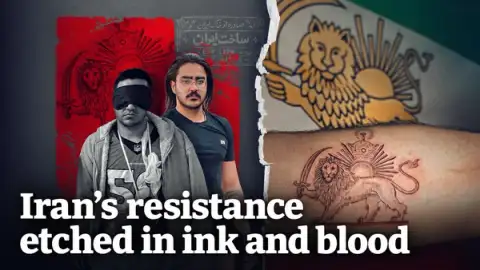
The expanded security footprint follows what rights groups and media outlets describe as a bloody crackdown on the protests.
Iran International reported on Tuesday that at least 12,000 people have been killed nationwide since the unrest began, while CBS News, citing an Iranian official, said the death toll could be as high as 20,000.
Tehran rejected those figures on Wednesday, dismissing them as claims spread by what it called “Mossad-backed” media.
‘Help on the way’
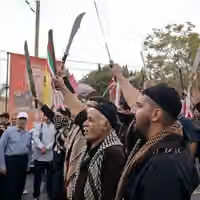
On Tuesday, US President Donald Trump urged Iranians to remain in the streets and take over state institutions, telling protesters that “help is on the way,” while exiled prince Reza Pahlavi has also called on Iranians to continue demonstrations.
The calls from abroad for sustained protest appear to be colliding with a harsher reality on the ground—at least for now.
In Shiraz, sources said security conditions intensified earlier this week, with additional military units deployed and new restrictions imposed on movement. Local notices outlining the presence of armed forces and limits on traffic circulated in the city, though no nationwide emergency measures have been formally announced.
In Sanandaj, residents reported an expanded security presence beginning earlier this week, including personnel they described as speaking Arabic rather than Persian.
Similar observations have been reported by sources in other western regions, though the identities and affiliations of the forces could not be independently verified.
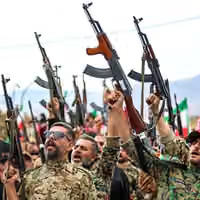
Some protesters and observers alleged that forces affiliated with the Islamic Revolutionary Guard Corps, including Afghan and Iraqi recruits, have been mobilized and organized at specific locations, including a mosque in Tehran’s Gholhak district.
Iranian authorities have not commented on these claims.