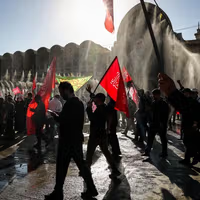
Demonstrators took to the streets in cities including Esfahan, Hamadan, Babol, Dehloran, Baghmalek and Pian, chanting slogans against Supreme Leader Ali Khamenei, backing exiled prince Reza Pahlavi, and commemorating slain protesters from previous uprisings such as teenager Artin Rahmani from Izeh.
In Esfahan, nighttime protesters were filmed chanting “Don’t be afraid, we are all together” and “Death to the dictator,” while in Dehloran and Baghmalek demonstrators shouted pro‑monarchy slogans including “This is the national slogan: Reza Pahlavi,” “Javid Shah” (“Long live the Shah”) and calls for Khamenei to be overthrown.
Acts of defiance
Security forces responded with force in several locations, with reports and footage of gunfire and tear gas in cities such as Nahavand, Asadabad and Hamadan, where residents were seen standing their ground, including one protester who faced down a water cannon.
In Babol, crowds intervened to stop security forces from arresting a demonstrator, while in Tehran a student leader at the University of Tehran, Sarira Karimi, was detained after a raid on her home, with her whereabouts unknown.
Voices of support
Prominent cultural and religious figures also weighed in, with top Sunni cleric Molavi Abdolhamid saying crushing living conditions and a political dead-end are driving the revolt, and acclaimed filmmaker Jafar Panahi describing the unrest as an uprising to “push history forward” now that “shared pain has turned into a cry in the streets.”
Western politicians continued to line up behind the protesters. US Senator Rick Scott said he was encouraged to see Iranians “calling for an end to the abusive Iranian dictatorship” and urged them to keep standing up to the “evil regime," while fellow Republican Senator Pete Ricketts called for more pressure on Tehran as people risk their lives in the streets.
Swedish MEP Charlie Weimers urged the EU to “stand on the right side of history” by cutting diplomatic ties with Tehran’s rulers, backing internet access for Iranians and engaging with opposition leaders about a “post‑Islamist Iran."