• العربية
  • فارسی
BrandBrand
  • Iran Insight
  • Politics
  • Economy
  • Analysis
  • Special Report
  • Opinion
  • Podcast
  • Live TV
  • Iran Insight
  • Politics
  • Economy
  • Analysis
  • Special Report
  • Opinion
  • Podcast
  • Live TV
  • Theme
  • Language
    • العربية
    • فارسی
  • Iran Insight
  • Politics
  • Economy
  • Analysis
  • Special Report
  • Opinion
  • Podcast
  • Live TV
All rights reserved for Volant Media UK Limited
volant media logo

US strikes isolated Iran as allies backed away, Rubio says

Jul 27, 2025, 09:22 GMT+1Updated: 05:55 GMT+0
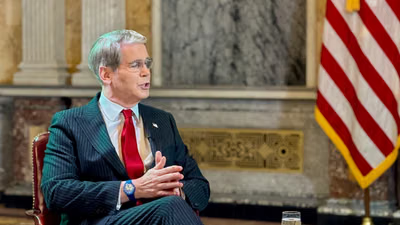
US Secretary of State Marco Rubio speaks to the media during a refueling stop at Shannon Airport in Shannon, Ireland, March 12, 2025, as he travels from talks with Ukraine in Saudi Arabia to attending a G7 Foreign Ministers meeting in Canada.

Last month's US air strikes targeting Iran's nuclear infrastructure dampened foreign support for Tehran, US Secretary of State Marco Rubio said Saturday in an interview with Fox News.

"I think everyone, China, Russia, others, even North Korea, have become a little bit more cautious about supporting Iran, especially after our B-2s flew halfway around the world and conducted an operation and left before anyone found out about it," he said.

The strikes—dubbed Operation Midnight Hammer—saw B-2 stealth bombers target three key Iranian nuclear sites using 30,000-pound “bunker buster” munitions.

The June 22 attacks followed an Israeli missile barrage that had triggered a 12-day war with Iran. A ceasefire was reached on June 24.

Speaking with Lara Trump on Fox News’ My View, Rubio said the operation had a deterrent effect, especially during the height of the fighting. “They all kind of took a pass and said, we don't want to get involved in this thing,” he said of Iran’s traditional allies.

“President Trump reminded them” that the United States has “the most extraordinary military capabilities in the world.”

The June attack came after five inconclusive rounds of nuclear negotiations between Washington and Tehran.

Since the war, Iran has expelled the UN's nuclear inspectors and has threatened to pull out of the nuclear non-proliferation treaty as the situation continues to spiral.

Most Viewed

Bessent says Iran economy will contract by more than 25%
1
EXCLUSIVE

Bessent says Iran economy will contract by more than 25%

2
INSIGHT

'Iraq-first' message from Iran ally sparks calls for retaliation

3

Oil price surge fuels Iran hardliners’ case against US deal

4

Mecca defense pact members hold talks with Iran

5
ANALYSIS

Iran talks with Mecca pact states may be ‘last chance’ before military action

Banner
Banner
Banner
Banner
Banner

Spotlight

  • Inside the alleged IRGC Intelligence takeover of Iran’s sanctioned oil trade
    EXCLUSIVE

    Inside the alleged IRGC Intelligence takeover of Iran’s sanctioned oil trade

  • Tehran plans for $130 oil it struggles to sell
    INSIGHT

    Tehran plans for $130 oil it struggles to sell

  • Tehran summit divides Iranian hardliners over Yemen and US talks

    Tehran summit divides Iranian hardliners over Yemen and US talks

  • Iran’s neighbors push diplomacy, prepare for its failure
    ANALYSIS

    Iran’s neighbors push diplomacy, prepare for its failure

  • Three members of Iranian family die within months after protest killing

    Three members of Iranian family die within months after protest killing

  • Iran talks with Mecca pact states may be ‘last chance’ before military action
    ANALYSIS

    Iran talks with Mecca pact states may be ‘last chance’ before military action

  • 'Iraq-first' message from Iran ally sparks calls for retaliation
    INSIGHT

    'Iraq-first' message from Iran ally sparks calls for retaliation

  • Oil price surge fuels Iran hardliners’ case against US deal

    Oil price surge fuels Iran hardliners’ case against US deal