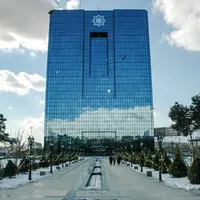
The attacks focused on intelligence and security agencies, judicial and detention systems, and officials overseeing internal control.
Israel framed the strikes as a show of solidarity with Iranian protesters and an effort to disrupt the Islamic Republic’s repressive capacity.
"The Israeli Defense Force is now attacking with unprecedented force regime targets and government repression bodies in the heart of Tehran," the Israeli military said on Monday.
The targeted institutions included the following:
Islamic Revolutionary Guard Corps Intelligence Organization (SAS)
Established in 2009, SAS operates alongside the Ministry of Intelligence (MOIS) and reports directly to Supreme Leader Ali Khamenei.
Known for ideological rigidity, it suppresses dissent, especially through social media monitoring. It controls Evin Prison’s Ward 2A and other black sites nationwide.
Israel struck the SAS headquarters in Tehran on June 15, reportedly killing:
- Brigadier General Mohammad Kazemi (SAS chief)
- Hassan Movahed (or Mohaqeq) (deputy)
- General Mohsen Bagheri (senior officer)
A separate strike on June 13 heavily damaged the Internal Security Bureau building in Tehran. Casualties remain undisclosed.
Sarallah Headquarters
This key IRGC base oversees security across Tehran and coordinates Basij deployments during unrest.
Israel struck Sarallah HQ on June 23, a day before a ceasefire.
Social media reports indicate the facility was destroyed.
Multiple officers and personnel are believed killed, but names have been withheld.
Tehran Basij Headquarters
On June 13, a central Tehran Basij building sustained heavy damage from an Israeli strike.
Israel also hit Basij bases in the cities of Zarandiyeh, Behbahan and Karaj.
Casualties remain undisclosed.
Ministry of Intelligence (MOIS)
Known as VAJA, the ministry leads Iran’s domestic and foreign intelligence operations, including political repression. It controls Evin’s Wards 209 and 240.
Israel targeted the MOIS building in Tehran on June 15.
Casualties are likely but remain unnamed.
Internal Security Bureau of Law Enforcement Forces
This unit of Iran’s national police force (FARAJA) handles surveillance, riot control, and arrests.
Its Tehran HQ was struck on June 22 and 23.
Brigadier General Alireza Lotfi, acting head of the bureau, was killed in the June 22 attack.
The Islamic Republic of Iran Broadcasting (IRIB)
Israel labeled IRIB as a key “propaganda tool” of the Islamic Republic.
Its headquarters in Tehran was bombed on June 16, about an hour after civilian evacuation alerts.
Confirmed dead:
- Nima Rajabpour (staff)
- Masoumeh Azimi (staff)
- One civilian bystander
Evin Prison in Tehran
Evin holds political detainees, dual nationals, those deemed as threats to national security, as well as others serving time for financial crimes.
The prison was struck on June 23, causing extensive damage to the main gate, administration offices, library, infirmary and Wards 4, 6 and the Women’s Ward.
Confirmed dead in the strike so far were:
- Ruhollah Tavasoli and Vahid Heydarpour (prison officials)
- Ali Ghanatkar (judicial official)
- Several conscript soldiers
- Two physicians, a social worker, her 5-year-old child, a visiting family member, and a bystander.
All inmates were later transferred to other facilities.