Three in ten Iranians forego medication as prices soar

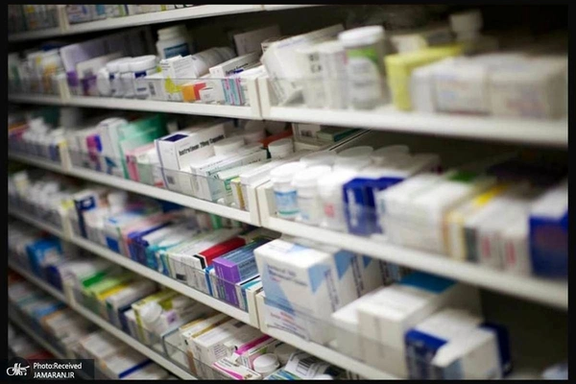
Rising drug costs are putting essential medicines out of reach for many Iranians with three in ten leaving pharmacies without their medications, according to the Iranian Pharmacists Association.
Rising drug costs are putting essential medicines out of reach for many Iranians with three in ten leaving pharmacies without their medications, according to the Iranian Pharmacists Association.
“The increase in the price of certain medications has shocked the public, with three out of every ten people who enter a pharmacy choosing not to purchase their medication," said Hadi Ahmadi, a board member of the Iranian Pharmacists Association, on Sunday.
"Why should such a situation occur where people refuse to take their medication or cannot afford to buy it? Out-of-pocket expenses for outpatient treatments have risen and now exceed 50%."
Reports have highlighted the financial strain caused by medication price increases. According to Tasnim News Agency, medication costs have surged by up to 400% since the removal of subsidized foreign currency.
Labor union activists and retirees warn that these steep prices are putting essential treatments out of reach for many, including those at risk, as more than one third of Iran is now living below the poverty line.
Shahram Ghaffari, Deputy for Treatment at the Social Security Organization, said on Sunday that the Food and Drug Administration implemented the increases to address shortages and support producers.
However, he criticized the lack of coordination with insurance providers, which has left patients covering the full cost of the hikes.
"Prices were not updated in insurance systems," he explained, "resulting in significantly higher out-of-pocket costs."
President Masoud Pezeshkian’s 2025 budget reduces foreign currency allocations for essential goods by 20%, while increasing the subsidized exchange rate by 35%.
Pharmaceutical manufacturers, already grappling with higher production costs, face significant challenges securing the resources they need.
The broader economic downturn has exacerbated the problem. Iran’s rial has lost nearly 40% of its value since September, further restricting the ability of the pharmaceutical sector to import raw materials.
Mehdi Pirsalehi, head of the Food and Drug Organization, said earlier in January that the government owes over $4.47 billion to pharmaceutical companies, with additional debts for medical equipment.
While Health Minister Mohammadreza Zafarghandi has promised to alleviate the burden by compensating insurance companies, critics argue the measures fall short.
The government’s elimination of a $9 billion subsidy for essential goods in 2022, which was introduced to counter earlier currency crises, is widely blamed for exacerbating inflation and shortages.
Now, as president Pezeshkian plans to reduce the allocation for importing essential goods—including agricultural products, pharmaceuticals, and raw materials—to €12 billion, as outlined in the 2025 budget released in October, both patients and healthcare providers are bracing for a challenging year ahead as the new Iranian year approaches.