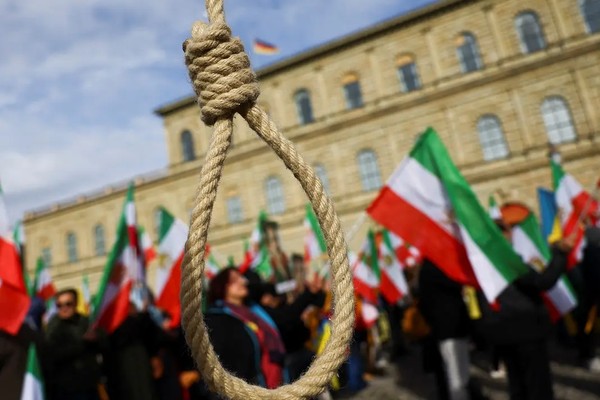
Iran's executes at least 300 in first half of 2024 with 49 in July alone
At least 300 people were executed in Iran in the first seven months of 2024 following a record number of killings in 2023.
At least 300 people were executed in Iran in the first seven months of 2024 following a record number of killings in 2023.

The government of President Masoud Pezeshkian is under fire for continuing to allocate huge sums to support the ‘Arbaeen Walk’ to Iraqi holy cities and offering perks to the annual event's participants.

Despite discussions around Iran's potential accession to the Financial Action Task Force (FATF), the country must do more to attract foreign investment, the head of the country's chamber of commerce has said.

Some Tehran media and politicians continue to demand answers over security lapses that allowed the assassination of Hamas leader Ismail Haniyeh in a government guesthouse in Tehran last week.

The appointments of Mohammad Reza Aref, Mohammad Javad Zarif, and Mohammad Jafar Ghaempanah, all in their 60s and 70s, to senior roles by President Masoud Pezeshkian have sparked debates about the age gap between Iran's leadership and its younger population.

The assassination of Hamas leader Ismail Haniyeh at his Tehran residence last Wednesday exposed security failures in Iran. An eyewitness report detailed the chaos and distress experienced by mountaineers and residents in the Tochal mountain area north of Tehran during the attack.

Israeli Prime Minister and Iran's President have exchanged threats, highlighting the deepening crisis between their nations. Benjamin Netanyahu vowed a firm response to any threats, while Masoud Pezeshkian pledged retaliation.

In the latest crackdown on artistic expression, Iranian security forces have arrested Zara Esmaeili, a young artist whose videos singing in public without hijab, in defiance of the Islamic Republic's rules, went viral.

World powers are racing to de-escalate tensions and minimize the risk of a full-scale war as the threat of a large Iranian attack on Israel grows imminent.

In a series of targeted operations in less than two months, Israel has killed five high-ranking members of Iran-backed Hamas and Hezbollah militant groups, armed and financed by Iran.

Iran’s new president, Masoud Pezeshkian, has appointed two experienced economists to key positions amid intense political pressure to address the country’s deep economic crisis.

The most frequently used words in the Iranian media's coverage of the deadly attack on Hamas's Political Leader Ismail Haniyeh's residence in north Tehran were "revenge" and "infiltration."

Iran has reportedly arrested over two dozen people including security and intelligence officials after the assassination of Hamas chief Ismail Haniyeh in Tehran exposed a humiliating security lapse.

Reaction has been pouring in since Iran International broke the story that the Islamic Republic is behind the behind the anti-Israel protests at McGill university in Montreal, Canada.

In Tehran, a panel of ex-officials with ties to former foreign minister Javad Zarif and more balanced foreign policy views suggested that external alliances could hinder Iran-US relations.

The Islamic Revolutionary Guard Corps (IRGC) announced on Saturday that Hamas leader Ismail Haniyeh was assassinated with a "short-range projectile with a warhead of approximately 7 kilograms" in Tehran on Wednesday.

Iran's summer power crisis, which cut electricity to industries by half and caused widespread blackouts, has now led to urgent warnings about a severe gas shortage this winter.
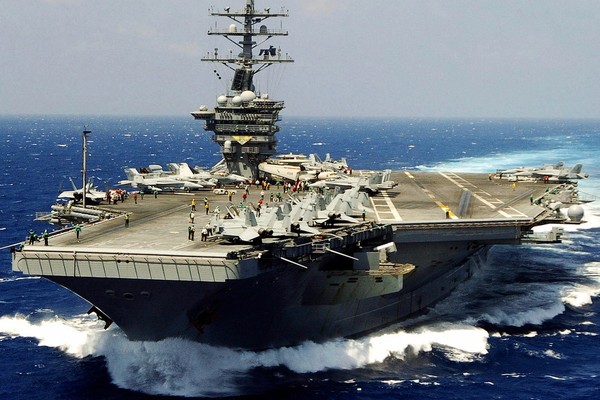
Iranian media and some officials have intensified rhetoric about retaliating against Israel for the Hamas leader's killing in Tehran as the US bolsters its military presence in the region.

Despite former Iranian foreign minister Javad Zarif's prior announcement that he would not hold a position in the Pezeshkian administration, he was appointed deputy for strategic affairs to the new president.

An Australian-British academic who was falsely imprisoned in Iran under espionage charges said the hit on Hamas leader Ismail Haniyeh likely came from an Iranian insider.

The morning Ismail Haniyeh was killed in Tehran felt eerily similar to the morning Qasem Soleimani was assassinated. We woke up, picked up our phones, and read the news in shock. We imagined the worst—war. The anxiety was there, but not as intense as the last time.