Najafabad power outages used as cover for lethal force during Iran protests
Security forces in Najafabad, a major city in Isfahan province in central Iran, implemented deliberate power outages on January 8 and 9 to facilitate a lethal crackdown on protesters.
According to accounts received by Iran International, the use of gunfire under the cover of darkness resulted in dozens of fatalities during these two nights.
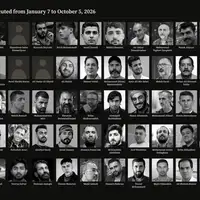
These events were part of the January Massacre, a nationwide suppression of anti-establishment protests that led to thousands of deaths across Iran.
Amirhossein Zeinali, a 26-year-old conscripted soldier, was one of the first victims identified from the evening of January 8.
Zeinali had only recently begun his mandatory military service when he was shot by security forces in front of Police Station 12.
According to local witnesses, he was not participating in the demonstrations but was targeted by direct gunfire while he was attempting to help a woman who had been wounded by earlier shots.
Amirhossein Khodadadi, 27, was also killed during the darkness of the January 8 crackdown.
Khodadadi was a cafe staff who, along with his fiancée, had been working long hours to save money for their dream of opening an independent business.
Following his death, government authorities withheld his body for a full week, only releasing it to his family after significant pressure.
Omid Ghasemi Nafchi, 37, died after being struck by a military-grade bullet to the heart during the protests in Najafabad.
A father of two children, aged five and ten, his body was eventually transported to the city of Shahrekord for interment following the fatal shooting.
Mahmoud Maleki, a 38-year-old truck driver, was killed by a direct shot to his side.
His grave in Najafabad bears the inscription "Bahar's Dear Father" (Baba Jan-e Bahar). This refers to his young daughter, who, according to family sources, fulfilled her goal of reading aloud to him by reciting at his graveside after his death.
Vahid Shahrashoub was killed the following morning, January 9, in the vicinity of the Najafabad cemetery.
Shahrashoub, a local vendor, witnessed security forces using municipal waste management trucks to transport the remains of those killed during the previous night's operations, according to sources familiar with the matter.
After he vocally protested the use of these vehicles, security agents shot him in the head and placed his body into the same waste truck.
The operational approach in Najafabad – coordinating utility blackouts with armed intervention and using non-standard vehicles for transporting remains – mirrors reporting from other protest hubs during the January Massacre.
These methods were utilized by security forces to obscure the scale of the casualties and minimize the documentation of violence during the peak of the demonstrations.