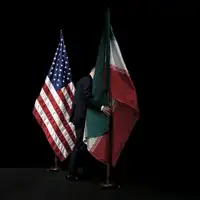
The report said this was the closest the two sides had come to a deal since the war began, although nothing has been agreed.
Meanwhile, a Pakistani source involved in mediation efforts told Reuters that Tehran and Washington were close to agreeing on the one-page memorandum to end the war, confirming the Axios report.
“We will close this very soon. We are getting close,” the source said.
Iran leadership divided
The White House believes Iran’s leadership is divided, which could complicate efforts to reach consensus, while some US officials remain skeptical that even an initial deal will be achieved, according to Axios.
It added that US President Donald Trump’s decision to pause the planned Project Freedom operation in the Strait of Hormuz was based on progress in the talks.
Reopening the Strait of Hormuz
A proposed one-page, 14-point memorandum of understanding would declare an end to hostilities and start a 30-day period of talks on a detailed agreement, according to Axios.
Those negotiations would focus on reopening transit through the Strait of Hormuz, limiting Iran’s nuclear program and lifting US sanctions. Talks could take place in Islamabad or Geneva, two sources said.
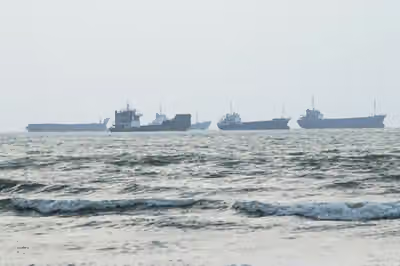
Iran’s restrictions on shipping and the US naval blockade would also be eased during the 30-day period, a US official said, adding that Washington could quickly restore the blockade or resume military action if talks collapse.
The US imposed the blockade in April to pressure Iran after talks failed, while Tehran restricted transit through the strait in response.
Uranium enrichment
Under the draft, Iran would commit to a moratorium on uranium enrichment, while the United States would gradually lift sanctions and release billions of dollars in frozen Iranian funds, sources told Axios.
The duration of the enrichment freeze remains under negotiation, with sources saying it could last at least 12 years, possibly extending to 15, compared with Iran’s proposal of five years and a US demand for 20.
Two sources said Iran could also agree to remove its highly enriched uranium from the country, a key US demand that Tehran has previously rejected.
The draft would also include commitments by Iran not to pursue nuclear weapons, accept enhanced UN inspections including snap checks, and potentially halt operations at underground facilities, a US official said.