Early volatility has been sharp but manageable, yet the longer the disruption lasts, the greater the risk that physical shortages—rather than price swings—will drive the crisis.
In recent days, Iranian attacks have expanded to energy infrastructure across Arab Gulf states alongside the continued closure of Hormuz.
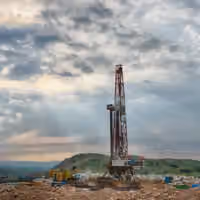
On March 9, an oil refinery in the United Arab Emirates was targeted. Qatar has halted liquefied natural gas production, while Iraq and Kuwait have each reduced oil output by roughly 70 percent.
Brent crude briefly surged more than 25 percent to $115 a barrel as markets opened Monday before retreating after the Group of Seven said it was considering releasing 300–400 million barrels from strategic reserves.
Prices later eased to about $98—still roughly 30 percent above prewar levels—suggesting markets are bracing less for an immediate collapse than for a sustained disruption.
Before traffic through Hormuz was disrupted, roughly 20 million barrels per day of oil and petroleum products passed through the corridor, most of it bound for Asia. In addition, about 330 million cubic meters of liquefied gas moved through the same route daily.
Saudi Arabia and the United Arab Emirates have diverted part of their exports through alternative pipeline routes, but those volumes remain well below what previously moved through the strait.
Energy consultancies including Wood Mackenzie and Kpler warned early that global markets could withstand severe volatility for only three to four weeks without a reopening of the waterway.
Strategic reserve releases could cushion the shock temporarily, but even a 300–400 million barrel release would offer only limited relief—particularly if attacks continue to damage infrastructure or delay the restoration of export capacity.
Released reserves would also need to be replenished relatively quickly, limiting their long-term utility as a buffer.
The gas market is even more exposed. About one-fifth of global LNG trade previously passed through Hormuz, and there are few viable substitutes for QatarEnergy’s supplies. Global gas prices have nearly doubled at a moment when European storage levels are at their lowest since 2022, with facilities less than 30 percent full.
Hormuz also carries a substantial share of global trade in sulfur and chemical fertilizers—a reminder that prolonged disruption could have broader consequences for food prices and inflation beyond the immediate energy shock.
The strategic stakes are becoming increasingly explicit. On Monday night, President Donald Trump warned that the United States would respond “20 times harder” if shipping through Hormuz were not restored.
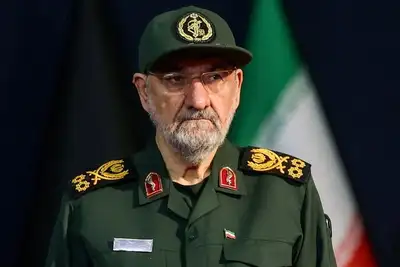
On Tuesday, Iran’s security chief Ali Larijani responded on X with a defiant message: “The Strait of Hormuz will either be a strait of peace and prosperity for all or will be a strait of defeat and suffering for warmongers,” adding, “beware lest you be the ones to vanish.”
For now, markets are absorbing the shock. But the longer disruption persists, the less the outcome will depend on price volatility and the more it will hinge on physical supply—a shift that strategic reserves and alternative routes alone cannot offset.