Security forces opened fire and imposed internet disruptions as Iranians held ceremonies marking 40 days since the January protest killings, while officials organized state-led commemorations for those they described as “martyrs.”
In the Kurdish town of Abdanan in Ilam province, activists and witnesses said security forces fired live rounds to disperse hundreds of mourners gathered at a cemetery.
Videos and accounts shared online appeared to show people fleeing as gunfire rang out during chants of “Death to Khamenei.”
Unconfirmed reports said several participants were seriously injured and that a 22-year-old man, Saeed-Reza Naseri, had been killed.
Reports of clashes and gunfire also emerged from Mashhad, where social media users said security forces confronted mourners.
Internet access was severely disrupted in both cities, according to users and monitoring accounts, continuing a pattern seen during previous periods of unrest.
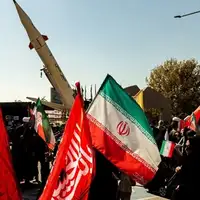
At the same time, the government organized its own official ceremonies, including a state event Tuesday at Tehran’s Imam Khomeini Prayer Grounds attended by senior officials such as First Vice President Mohammad Reza Aref, government spokesperson Fatemeh Mohajerani and Esmail Qaani, commander of the Islamic Revolutionary Guard Corps’ Quds Force.
A parallel ceremony was held at the Imam Reza shrine in Mashhad.
State media and senior officials have described the January unrest as an “American-Zionist sedition.” Participants at the official ceremony chanted “Death to America” and “Death to Israel,” and the event featured Quran recitations, religious eulogies and official tributes.
The official commemorations contrasted sharply with independent ceremonies held by families, which often included music, clapping and traditional mourning rituals.
Others questioned official claims that “terrorists” were responsible for the deaths, pointing to continued security pressure on families attempting to hold independent memorials.
Online, many Iranians accused authorities of attempting to control the narrative of the killings. “They kill and then send text messages inviting people to attend a 40th-day ceremony,” one user wrote on social media.
Despite the pressure, families of those killed held independent memorials in cemeteries across Tehran and dozens of other cities and towns. Participants in several locations chanted slogans including “Death to the dictator” and carried photos of victims, many of them young.
In Najafabad in Isfahan province, a large crowd marched toward a cemetery holding portraits of those killed. Demonstrators chanted: “We didn’t surrender lives to compromise, or to praise a murderous leader,” according to videos circulating online.
Users reported a heavy security presence at cemeteries nationwide, and in some cases closures intended to prevent crowds from assembling.
Rights groups and social media accounts said families faced pressure from security agencies to limit gatherings or avoid overtly political messaging.
The parallel ceremonies underscored the continuing divide between the state’s portrayal of the unrest and the experience of families and communities still mourning those killed.