The understanding, reached during talks on Wednesday, would form part of a renewed “maximum pressure” campaign running alongside indirect nuclear negotiations with Tehran, according to two US officials briefed on the discussions.
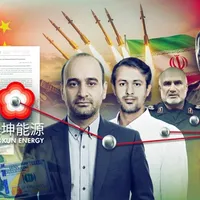
“We agreed that we will go full force with maximum pressure against Iran, for example, regarding Iranian oil sales to China,” a senior US official said.
China buys more than 80% of Iran’s oil exports, making it Tehran’s main source of crude revenue. Any significant reduction in those purchases would sharply increase economic strain on Iran and could affect its calculations in nuclear talks with Washington.
An executive order signed by Trump earlier this month allows the administration to expand economic measures against Iran. The order authorizes the secretaries of state and commerce to recommend tariffs of up to 25% on countries that conduct business with Iran.
Such steps could further complicate already tense US-China relations. Beijing said on Sunday that “normal cooperation between countries conducted within the framework of international law is reasonable and legitimate, and should be respected and protected,” when asked about the reported discussions.
US officials said the pressure campaign would proceed in parallel with diplomacy and a US military buildup in the Middle East, as Washington prepares contingency plans in case negotiations fail.
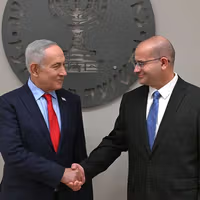
Behind closed doors, Trump and Netanyahu agreed on the objective of preventing Iran from acquiring nuclear weapons capability, one US official said. However, they differed on strategy.
Netanyahu argued that it was impossible to secure a reliable agreement with Iran and that Tehran would not abide by any deal, the official said.
Trump said he believed there was still a chance to reach an agreement.
“We’ll see if it’s possible. Let’s give it a shot,” Trump said, according to the official.
Trump has tasked advisers Steve Witkoff and Jared Kushner with leading the talks. The two are scheduled to meet Iranian officials in Geneva on Tuesday for a second round of negotiations, after earlier contacts mediated by Oman.
A US official said Witkoff recently conveyed messages to Tehran through Oman’s foreign minister and that Washington expects an Iranian response at the Geneva meeting.
“We are sober and realistic about the Iranians. The ball is in their court. If it is not a real deal, we will not take it,” one US official said. Another said he believed there was “zero chance” that either side would accept the other’s core demands.
US and Iranian diplomats held indirect talks through Omani mediators last week in an effort to revive diplomacy over Iran’s nuclear program.