US must brace for coffins of fallen troops in DC, Iran official warns
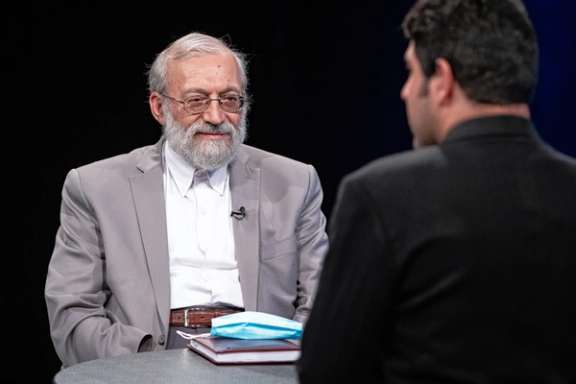
Mohammad-Javad Larijani, an Islamic Republic insider and former senior adviser to Iran’s Supreme Leader, said any US military strike would trigger a harsh response from that could kill many American troops.
He said Tehran would abandon proportional retaliation and instead move to strike what he described as the “roots” of American interests across the region.
“In response to a potential act of aggression, we are not looking to respond tit for tat,” Larijani said. “Our posture would move from defensive to offensive, striking points where we believe we must hit the roots of that force’s presence in the region.”
He contrasted what he called a “defensive philosophy” — limited, proportional retaliation — with what he described as a broader strategy that would be activated if the United States initiated hostilities.
“This time, if they do it, we will move beyond that into a much broader offensive approach,” he said, adding that Iran’s “target set changes significantly” under such a scenario.
Referring to past hostilities, Larijani said Iran had gained “a great deal of experience” in the June conflict with the United States and Israel and warned there would be “many surprises” for the enemy.
He also took aim at President Donald Trump’s approach, saying his strategy of launching a rapid strike followed by a propaganda campaign “would not be workable” under the framework set by Iran’s leadership.
“They should prepare many coffins for the bodies of their slain troops who will arrive in Washington,” Larijani said, adding that American interests in the region would “go up in smoke.”