• العربية
  • فارسی
Brand
  • Iran Insight
  • Politics
  • Economy
  • Analysis
  • Special Report
  • Opinion
  • Podcast
  • Live TV
  • Iran Insight
  • Politics
  • Economy
  • Analysis
  • Special Report
  • Opinion
  • Podcast
  • Live TV
  • Theme
  • Language
    • العربية
    • فارسی
  • Iran Insight
  • Politics
  • Economy
  • Analysis
  • Special Report
  • Opinion
  • Podcast
  • Live TV
All rights reserved for Volant Media UK Limited
volant media logo

Khamenei says West opposes Iran over Islamic order, not nuclear issue

Dec 27, 2025, 11:27 GMT+0Updated: 22:28 GMT+0
Iran's Supreme Leader Ali Khamenei visits the Iranian centrifuges in Tehran, Iran June 11, 2023.

Western hostility toward Tehran stems from its challenge to the global order rather than its nuclear program, Iran’s supreme leader said, arguing that the core dispute is ideological.


The problem between the Islamic Republic and Western powers “is not the nuclear issue,” but opposition to Iran’s plan “to establish a national and international Islamic order,” Ali Khamenei said in a message issued Saturday to the annual meeting of Islamic student associations in Europe.

He framed the confrontation as resistance to an “unjust global order and the system of domination.”

“The heavy assault of the US army and its disgraceful appendage in the region was defeated by the initiative, courage and sacrifice of Iran’s young people,” Khamenei said in a reference to recent regional conflicts.

Costs of confrontation

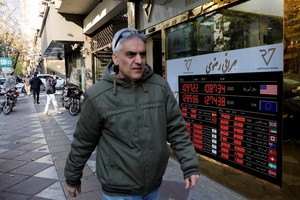
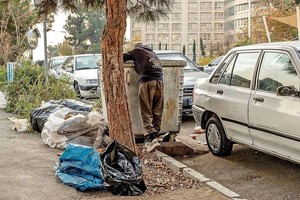
The remarks came after a 12-day war that left Iran with significant losses among senior military commanders and caused damage to nuclear, military and security infrastructure. Critics say the confrontation with the West, shaped by Khamenei’s policies over more than three decades, has imposed heavy costs on the population, with sanctions crippling large parts of the economy, weakening the currency and driving up the cost of living.

Despite this, senior officials have continued to defend the strategy. On Friday, Foreign Minister Abbas Araghchi acknowledged that sanctions have contributed to economic disorder but portrayed them as a factor behind Iran’s industrial “independence” and the development of its defence and missile sectors.

Speaking earlier in Isfahan, Araghchi said Iranians must accept the reality of sanctions and “accept that it is possible to live with sanctions.” He added that while sanctions have costs, he also knew their “blessings,” comments that triggered a wave of public criticism from citizens who said officials were disconnected from daily economic hardship.

Nuclear dispute still central

Khamenei’s insistence that the nuclear issue is secondary contrasts with Tehran’s recent remarks that reports by the International Atomic Energy Agency helped pave the way for Israeli and US attacks on Iran’s nuclear facilities.

On June 12, the IAEA’s board of governors adopted a resolution accusing Iran of breaching safeguards by accumulating highly enriched uranium and restricting inspectors’ access, and called on Tehran to resume full cooperation.

The supreme leader’s comments also come as Iran-backed groups across the region are widely viewed as major sources of instability in the Middle East, complicating Tehran’s efforts to cast its confrontation with the West as purely ideological.

Most Viewed

Iran weighs attacks on military targets in Europe – FT
1

Iran weighs attacks on military targets in Europe – FT

2
VOICES FROM IRAN

Tehran gas stations run dry as fuel price hike fears mount

3

Iran campaign urges people to fund sacrifice of 10,000 sheep for Khamenei’s health

4

Luxury Tehran property asking prices surpass Munich and Sydney

5

An Iranian film broke every taboo. Viewers say society broke them first

Banner
Banner
Banner

Spotlight

  • UAE trade halt threatens one of Iran’s remaining economic lifelines
    ANALYSIS

    UAE trade halt threatens one of Iran’s remaining economic lifelines

  • Can Iran's fragile economy survive Trump's 'Economic D-Day'?
    ANALYSIS

    Can Iran's fragile economy survive Trump's 'Economic D-Day'?

  • The unlikely return of European diplomacy in the Iran-US conflict
    ANALYSIS

    The unlikely return of European diplomacy in the Iran-US conflict

  • For Iranian journalists, exile can last a lifetime
    OPINION

    For Iranian journalists, exile can last a lifetime

  • Seven months on, January protests still shape Iranians’ lives
    VOICES FROM IRAN

    Seven months on, January protests still shape Iranians’ lives

  • Forced to serve in the IRGC, now fighting to stay in Canada
    INSIGHT

    Forced to serve in the IRGC, now fighting to stay in Canada

  • Araghchi's remarks on sanctions trigger backlash in Iran

    Araghchi's remarks on sanctions trigger backlash in Iran

  • Iran foreign minister says enemies seek to fuel unrest through economic pressure

    Iran foreign minister says enemies seek to fuel unrest through economic pressure