Araghchi's remarks on sanctions trigger backlash in Iran
A man searches through a garbage bin on a city street in Iran, highlighting the harsh realities of poverty and economic struggle faced by many residents.
Comments by Iran’s foreign minister describing international sanctions as having blessings have sparked a wave of criticism from economists and social media users, many accusing senior officials of being detached from the economic hardship faced by ordinary citizens.
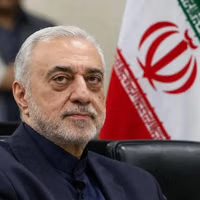
Speaking on Thursday at a meeting with economic activists in Isfahan, Abbas Araghchi said Iran must accept the reality of sanctions and learn to live with them.
“We must accept that sanctions exist and accept that it is possible to live with sanctions,” he said. “Sanctions have their costs… I know very well what sanctions mean and what their costs are. I know their problems and I also know their blessings.”
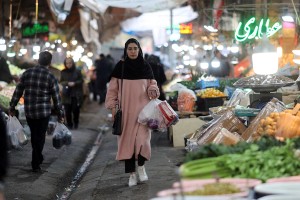
The remarks quickly drew criticism as Iran grapples with soaring inflation, a weakening rial and sharp rises in the price of basic goods, pressures that have hit low-income households hardest.
Senior officials are insulated from the realities of sanctions, Economist Mohammad Tabibian wrote in a note. “We all know that he and other gentlemen can live well and comfortably even under far worse conditions,” Tabibian wrote.
“Please do not speak on behalf of the people. Ask the people themselves and let them describe their own situation.”
Social media backlash
Users on social media platforms, including X, also reacted angrily. One user identified as Yousef pointed to the recent surge in the dollar’s exchange rate hitting 1.36 million rials, writing: “The blessings are for rent-seekers and mafias. For the people, only poverty and hunger remain.”
Iran's FM Abbas Araghchi
Another user, Zahidi, criticized what he described as the lavish lifestyles of senior officials.
“Even if people are pushed into conditions worse than total deprivation, it is still a blessing for Mr. Araghchi and his friends,” he wrote, adding that the gap between officials and ordinary citizens has grown impossibly wide.
Others described the comments as offensive. A user named Azita called the remarks “shameful,” writing: “Do not speak on behalf of the nation. Sanctions have only brought misery. What blessing?”
‘People below the poverty line’
Further criticism focused on the contradiction between official rhetoric and lived experience. One user wrote that while people are being driven below the poverty line, “embezzlers ride in luxury limousines.” Another commented: “Sanctions for people mean medicine shortages, unemployment, poverty and constant anxiety. If sanctions are a blessing, publish the list of beneficiaries.”
Another post argued that Araghchi’s comments were impossible to accept for people “whose backs have been broken under the weight of sanctions,” adding that any benefits accrue to networks involved in evading sanctions, not to the public.
The backlash reflects broader public frustration with economic conditions after years of sanctions and policy mismanagement, as the cost of living continues to climb and the national currency loses value.
For many critics, Araghchi’s remarks underscored a widening disconnect between Iran’s political leadership and the daily struggles of its citizens.