One percent holds nearly a third of Iran’s wealth, Tehran daily says
A woman carries a gas capsule on her back as she walks with two children along a dirt road in a rural area of Iran.
A leading economic newspaper in Tehran warned that poverty and inequality in Iran are deepening under intensified international sanctions, saying nearly one-third of the country’s wealth is now concentrated in the hands of just one percent of the population.
In a recent report, Donya-ye-Eghtesad said worsening sanctions have tightened what it described as Iran’s “economic bottlenecks,” accelerating capital concentration while pushing a growing share of households below the poverty line.
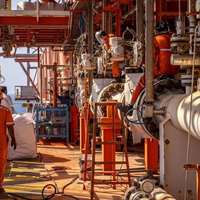
The paper pointed to the US Treasury Department’s decision on December 18 to sanction 29 oil tankers and the companies managing them, a move Washington said targeted Iran’s so-called shadow fleet used to bypass sanctions and export oil and petrochemical products.
The United States Department of the Treasury said the vessels and firms had transported hundreds of millions of dollars’ worth of Iranian products using deceptive practices.
The surge in free-market prices for foreign currency and gold, the newspaper said, reflects the spread of poverty, with inflation driven by these increases expected to place additional strain on Iranian households in the coming months.
In recent weeks, both markets have posted repeated record highs, fueling broader inflationary expectations.
Over the past year alone, average food prices in Iran have risen by more than 66 percent, according to figures cited in the report. The paper said inflationary pressures have intensified following renewed UN sanctions and repeated statements by Iranian officials insisting on continuing the country’s nuclear program.
Ali Heidari, an Iran-based economic researcher quoted by Donya-ye-Eghtesad, said inequality in Iran is far worse than the global average.
“About 29 percent of the country’s wealth is held by just one percent of the population,” he said.
People walk past a sign at a currency exchange as the value of the Iranian Rial drops, in Tehran, Iran, October 5, 2025.
Poverty, Heidari added, has expanded rapidly. Around 26 percent of Iranians lived below the poverty line in 2022, he said, rising to 36 percent in 2023 – more than 31 million people. “If data for 2025 become available, the number will almost certainly be higher,” he said.
Who loses, who gains
Retirees, workers and salaried employees, Heidari said, have borne the brunt of economic pressure, as workshops and small businesses cut jobs or reduce working hours under sanctions. By contrast, he said, hoarders and speculative actors have benefited.
He blamed Iran’s tax system for encouraging non-productive and underground economic activity, arguing that weak transparency and incentives for speculation have helped fuel wealth concentration.
Analysts have long warned that Iran’s efforts to evade sanctions have contributed to systemic corruption – a policy Tehran continues to frame as “resistance” against international pressure.