Iran medical suppliers warn of worsening drug shortages

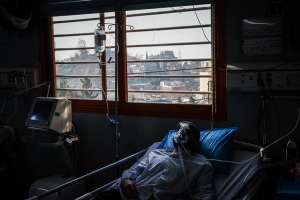
Iran is facing growing shortages of vital medicines and could see a sharp deterioration in supplies within months if current conditions persist, an industry official said on Saturday.
Iran is facing growing shortages of vital medicines and could see a sharp deterioration in supplies within months if current conditions persist, an industry official said on Saturday.
“Right now, the crisis is not fully felt by society because the Food and Drug Administration is managing empty warehouses,” said Alireza Chizari, head of Tehran province’s association of medical and pharmaceutical equipment producers. “But if this situation continues, the drug supply will become disastrous within one or two months.”
Iran is currently short of around 20 highly critical hospital medicines, while in recent years the country has consistently faced shortages of 40 to 50 drugs, he said.
Chizari said the widening gap between household incomes and rising medicine prices would directly hurt consumption. “The damage caused by the difference between people’s income and the cost of medicines will certainly hit the drug market,” he said.
Iran’s pharmaceutical sector has come under strain from foreign exchange shortages, sanctions-related hurdles and rising costs. In recent weeks, Iranian media have reported shortages of some imported medicines, including brand-name anti-rejection drugs used by kidney transplant patients, with pharmacies in several cities halting distribution.
Medical specialists have warned that sudden switches from imported medicines to domestic alternatives can pose risks for a minority of high-risk patients, even though locally produced drugs work for most cases.
Drug prices, medical equipment and healthcare costs have surged by about 70% since the government removed a subsidized exchange rate for medicine imports earlier this year, according to domestic media. Insurance coverage has not kept pace with price rises, leaving patients to shoulder more of the cost.
Industry figures and lawmakers have warned that continued delays in foreign currency allocation, rising import and shipping costs and budget strains in insurance funds could deepen shortages in hospitals and pharmacies in the months ahead.