• العربية
  • فارسی
Brand
  • Iran Insight
  • Politics
  • Economy
  • Analysis
  • Special Report
  • Opinion
  • Podcast
  • Live TV
  • Iran Insight
  • Politics
  • Economy
  • Analysis
  • Special Report
  • Opinion
  • Podcast
  • Live TV
  • Theme
  • Language
    • العربية
    • فارسی
  • Iran Insight
  • Politics
  • Economy
  • Analysis
  • Special Report
  • Opinion
  • Podcast
  • Live TV
All rights reserved for Volant Media UK Limited
volant media logo

Trump strategy plays down Iran threat, vows to keep Strait of Hormuz open

Dec 5, 2025, 15:25 GMT+0Updated: 23:45 GMT+0
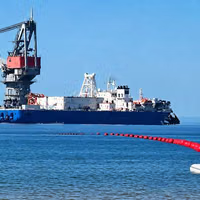
An aerial view of the Straits of Hormuz

Washington remains committed to keeping the Strait of Hormuz open and preventing “outright enemies” from dominating the Persian Gulf and its energy supplies, US President Trump said in his 2025 National Security Strategy.

The document, published late Thursday, appears to downplay the scale of the threat from Iran and offers only cursory references to Tehran.

“Iran — the region’s chief destabilizing force — has been greatly weakened by Israeli actions since October 7, 2023, and President Trump’s June 2025 Operation Midnight Hammer, which significantly degraded Iran’s nuclear program,” the document reads.

“America will always have core interests in ensuring that Gulf energy supplies do not fall into the hands of an outright enemy, and that the Strait of Hormuz remain open,” it adds.

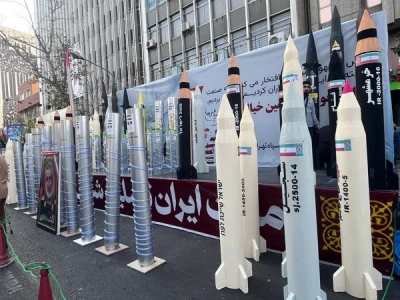
Iran’s military chiefs have floated the threat of closing the Strait of Hormuz during past standoffs with the West—with the Army and the Revolutionary Guards conducting regular drills in the Persian Gulf.

The NSS 2025 provides almost no detail on Iran’s capabilities or intentions, or what the commitment to keep open the waterway, through which much of the world's energy export flows, would entail.

Mideast peace

The broader chapter recasts the Middle East as a region the United States no longer needs to organise its foreign policy around, arguing that two pillars of past engagement—energy dependence and superpower rivalry—have faded.

The text insists “there is today less to this problem than headlines might lead one to believe,” asserting that Iran’s weakening has reduced regional instability.

Perhaps its sharpest ideological marker is a rejection of US pressure on authoritarian partners.

Earlier efforts challenging the Arab monarchies, NSS argues, were “misguided experiment with hectoring these nations,” adding that the Trump administration will “accept the region, its leaders, and its nations as they are while working together on areas of common interest.”

The text concludes that the Middle East “is no longer the constant irritant, and potential source of imminent catastrophe, that it once was,” crediting Trump for his ability “to unite the Arab world” and allowing the United States to “finally prioritize American interests.”

Most Viewed

Iran’s economy is a powder keg. Tehran is preparing for the spark
1
ANALYSIS

Iran’s economy is a powder keg. Tehran is preparing for the spark

2
INSIGHT

Xi snub reignites Iran’s doubts about China

3
INSIGHT

Five years ago, Iran’s planners put today’s crisis on paper

4
INSIGHT

US strikes deepen Tehran debate over compromise or confrontation

5

Iran drug shortages hit 800 medicines as costs could triple

Banner
Banner

Spotlight

  • If Britain backs US plan, Iran's London bank shuts down on October 22
    ANALYSIS

    If Britain backs US plan, Iran's London bank shuts down on October 22

  • US strikes deepen Tehran debate over compromise or confrontation
    INSIGHT

    US strikes deepen Tehran debate over compromise or confrontation

  • Xi snub reignites Iran’s doubts about China
    INSIGHT

    Xi snub reignites Iran’s doubts about China

  • Trump’s call for an Iranian uprising runs into a trust problem
    ANALYSIS

    Trump’s call for an Iranian uprising runs into a trust problem

  • Five years ago, Iran’s planners put today’s crisis on paper
    INSIGHT

    Five years ago, Iran’s planners put today’s crisis on paper

  • Women footballers came home under pressure. Now Iran wants them on camera
    ANALYSIS

    Women footballers came home under pressure. Now Iran wants them on camera

Banner