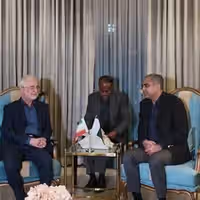
Iran says it is giving diplomacy a genuine chance in talks with the US, despite accusing Washington of engaging in “confrontational theatrics.”
“In earnest and with candid vigilance, we are giving diplomacy a genuine chance,” spokesperson Esmaeil Baghaei said.
“We do not prejudge… We do not predict.”
The spokesman added, "We intend to assess the other side’s intentions and seriousness on Saturday and adjust our next steps accordingly."

Iran is considering proposing during talks with the US that the two countries work on an interim nuclear agreement before pursuing negotiations over a comprehensive deal, Axios reported Thursday citing a European diplomat and a source familiar with the issue thinking.
Iran is looking for the interim deal as it believes achieving a deal before the two-month deadline set by Trump is not realistic, according to the report.
“The Iranians seem to believe that a sustainable deal is unlikely to be achieved in the timeframe that President Trump has in mind. It might therefore be necessary to consider an interim agreement as a way station toward a final deal," the report said citing Ali Vaez, director of the Iran project at the International Crisis Group.
Iranian and American delegations are scheduled to arrive in Muscat on Saturday morning and the negotiations are set to begin in the afternoon, the Revolutionary Guard-affiliated Tasnim News reported.
The talks will begin after separate meetings with Oman's Foreign Minister, who will act as the mediator between the two sides, it added.
The report cited sources familiar with the matter saying Iran has clearly outlined its red lines ahead of the talks. "These include a strict rejection of any threatening rhetoric from the American delegation, a firm refusal to entertain excessive demands or frameworks regarding its nuclear program, and an insistence that no discussions related to Iran’s defense industry be raised."
"Iran will not tolerate any form of threat or attempts to cross these red lines during the negotiations," the report said citing the sources.
"However, they added that Iran remains open to building confidence around the peaceful nature of its nuclear program—provided that sanctions are lifted in return."
"If the US is genuinely concerned only about the possibility of an Iranian nuclear bomb, the path to agreement should not be difficult," Tasnim cited the sources as saying.
"But if the Americans enter the talks with duplicity and excessive demands, they must be prepared to shoulder the international blame for any obstruction of the negotiation process."
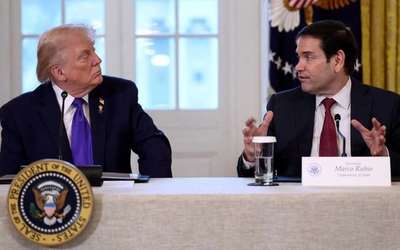
The Iranian and US delegations would be in the same room for the talks slated for Saturday in Oman, Reuters reported citing a US official familiar with the planning.
Iranian officials have insisted that the talks will be indirect, rejecting any direct negotiation with Washington.
Iran's former foreign minister expressed hope that upcoming talks between Iran and the United States in Oman would lead to Mideast peace.
"Muscat means birthplace. Thirteen years ago, during my service in the foreign ministry, direct pre-JCPOA talks with the United States were born in this very city," Ali Akbar Salehi wrote in a post on X Thursday, referring to a 2015 nuclear deal.
"In politics, prediction is neither possible nor desirable, but we have always returned from Muscat with great success. I hope this city will be the foundation of a lasting spring in the Middle East," Salehi added.
A group of hardliners gathered in front of the Iranian Foreign Ministry on Thursday to protest the Islamic Republic's upcoming negotiations with the United States.

The protesters held placards reading, "You'll make a deal again, they'll scrap it again" and "We need guarantees."

Another placard read, "We need a few wise, dignified and honorable officials," referencing Khamenei's earlier stance that negotiations with the US are "unwise, undignified and dishonorable."

Similar protests were held on Wednesday in Tehran's Palestine Square, during which hardline demonstrators torched and trampled on US and Israeli flags.