The US dollar exchange rate surged to over 705,000 rials in Iran's free market on Sunday. One dollar was traded at about 70 rials on average for several years before the Islamic Revolution of 1979.
The rial dropped to 762,000 against the euro and 905,000 against the British pound.
On Sunday, the Tehran Stock Exchange index also plunged by 28,000 points, falling to about 2,032,000 points.
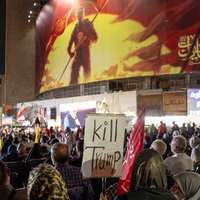
Iranian media usually cite several factors as potential contributors to a rising US dollar rate, including expectations of higher inflation, increased demand for the UAE dirham—a key currency in Iran’s foreign trade amid US sanctions—regional tensions, and the potential for Donald Trump to win the US election.
Iran is already grappling with soaring inflation exceeding 40%, and the rial's continued decline will drive prices even higher, further impoverishing a population that has seen its purchasing power fall significantly since 2018. That year, US sanctions imposed by the Trump administration—following its withdrawal from the 2015 nuclear deal—targeted oil exports and banking, slashing Iran’s income and dealing a severe blow to its oil-dependent economy.
In August, Israel began its punishing attacks on Iran’s proxy, the Lebanese Hezbollah, ultimately killing its leader, Hassan Nasrallah, which led to an Iranian retaliation with ballistic missiles on October 1. The anticipation of the Israeli response, which occurred in late October, took a heavy toll on the economy, with the rial nearing the 700,000 mark several times—a level that holds significant psychological resistance in Iran.
In recent days, numerous Iranian officials have threatened to retaliate against Israel’s October airstrikes, which targeted Iran’s air defenses and missile installations while avoiding nuclear and energy facilities.
Washington directly warned Tehran on Saturday against launching another attack, saying it will not be able to restrain its ally this time, Axios reported citing an American official, amid reports of Iran's preparations for another strike on Israel.
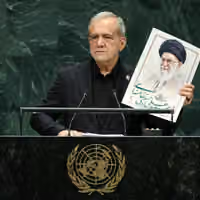
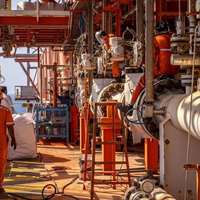
On top of mounting military and economic pressures, President Masoud Pezeshkian unveiled next year’s budget in October, allocating nearly 20% of Iran’s oil export revenue—estimated to exceed $10 billion—primarily to the Revolutionary Guard. In the current budget, the military’s share of oil is around 200,000 barrels per day, while next year it would be an estimated 430,000 barrels.