Iran's IRGC Quds Force Commander Vows Gaza Reconstruction
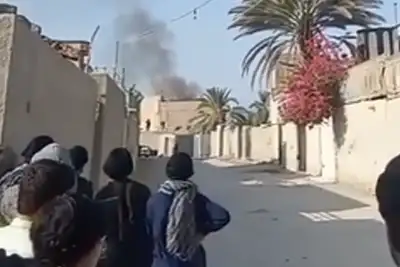
A view from Khan Younis in the southern Gaza Strip, November 29, 2023
Esmail Qaani, the commander of Iran's IRGC Quds Force, has pledged to oversee the reconstruction efforts in Gaza amid the strip's worst conflict since Iran-backed Hamas took over almost 20 years ago.
Qaani added that “physical infrastructure would be rebuilt", yet "Israel's credibility and honor would remain irreparable.”
"The resistance front is a cohesive entity with significant capabilities, although it has not yet utilized all of its capabilities," he added as the war which broke out in October after the terror group invaded Israel, continues without an end in sight. Negotiations this week seem to have failed with Hamas refusing to release names of surviving hostages taken on October 7 and Israel refusing to cease its offensive until Hamas disarms.
Iran has long provided financial support to various Palestinian groups, including Hamas. Despite varying estimates, a 2020 US State Department report indicated Iran's annual provision of approximately $100 million to Palestinian militant groups, including Hamas.
However, Iran's involvement in the Gaza conflict poses economic challenges, exacerbating existing issues such as currency devaluation, reduced government revenues, and high inflation. Despite Iranian officials' assurances to avoid broader regional conflict, proxy armed groups' involvement risks escalating tensions with Israel and the United States, potentially impacting global oil flow through the Strait of Hormuz as the Iran-backed Yemeni Houthis continues its blockade on the key maritime route.
US facilities in Iraq and Syria have also been targeted since October, the US under fire for supporting Israel's right to defend itself.
By supporting organizations like Hamas, Iran diverts attention from its own economic challenges. The conflict's broader implications could reshape the geopolitical landscape of the Middle East and North Africa, affecting various sectors including travel, commerce, investment, and energy.