• العربية
  • فارسی
BrandBrand
  • Iran Insight
  • Politics
  • Economy
  • Analysis
  • Special Report
  • Opinion
  • Podcast
  • Live TV
  • Iran Insight
  • Politics
  • Economy
  • Analysis
  • Special Report
  • Opinion
  • Podcast
  • Live TV
  • Theme
  • Language
    • العربية
    • فارسی
  • Iran Insight
  • Politics
  • Economy
  • Analysis
  • Special Report
  • Opinion
  • Podcast
  • Live TV
All rights reserved for Volant Media UK Limited
volant media logo

Small Businesses, Farmers Bear Brunt Of Iran’s Internet Disruptions

Maryam Sinaiee
Maryam Sinaiee

Iran International

Oct 18, 2022, 09:30 GMT+1Updated: 17:45 GMT+1
Iranian ecommerce apps seen on a phone screen

Millions of Iranians who depended on social media advertising fear losing their livelihood as authorities block Internet access amid antigovernment protests.
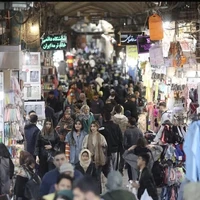
Authorities argue that the stricter social media and internet restrictions are required due to what they call “riots” across the country over the past month. They blame protesters, who they invariably refer to as “rioters” for the perils of millions of people whose businesses, have been affected.

These small businesses, particularly those run from homes by women or small farms in rural areas, very heavily relied on Instagram for advertising and WhatsApp for communication with potential customers. The number of these businesses exponentially grew after the Covid pandemic.

Larger e-commerce companies such as online retailers, hotel and transportation bookings and food delivery services have lost large market shares.

The government has blocked access to Internet to prevent the spread of news and images about protests disrupt contact among protesters by blocking Instagram and WhatsApp. Last week they went one step further and even shut down the normal mobile messaging (SMS) services and resorted to jamming foreign-based Persian language satellite TV channels when activists called for one day of nationwide demonstrations.

These measure, many say, have largely failed as protesters persevere and post footage of protests as soon as they can connect to the internet through their mobiles or broadband.

“We have undergone the severest filtering and internet disruption over the past month but news [of the protests] have reached everyone, from the blaze at Evin Prison to the confiscation of passports of [dissident] artists,” one of the many tweets on this topic said.

“It just showed that government’s understanding of [the concepts of] media and cyberspace is very limited, and their measures have made no difference apart from damaging businesses. Moreover, Starlink is on the way too!” the tweet said.

Speaking at an event in Mazandaran Province in the north of Iran on the National E-Commerce Day on Sunday, Mahmoud Leiaei, deputy communications minister said during his visit to the province people had complained to him about the filtering of Instagram.

Leiaei added that their complaints made him realize that even in rural areas people had depended on Instagram for selling their produce. He blamed these people whose businesses are suffering because, he said, they should have heeded authorities’ warnings and migrated from foreign social media and messaging platforms to those developed in Iran.

Social media users in Iran have largely shunned domestically developed social media platforms and applications such as Wisgoon and Nazdika, designed to replace Instagram, and Rubika, a messaging application. People know that security services control the domestic apps and can spy on them.

Experts also warn that these platforms are very vulnerable to censorship and there are serious safety and privacy concerns.

For years, many in Iran have relied on VPNs and anti-filtering software to navigate through government censorship and blocked social media and websites. But authorities have been regularly shutting down mobile internet which completely stops any kind of access. The use of VPNs surged by 30-fold following the recent nationwide protests.

All Iranian mobile carriers now only offer their internet services when permitted by authorities who are imposing a curfew style control. Access to mobile internet is much more important than broadband which only 10 percent of Iranians subscribe to. The government has also cut off access to the global web and limited online activities to those allowed by a very heavily controlled intranet, called the National Information Network (NIN).

Most Viewed

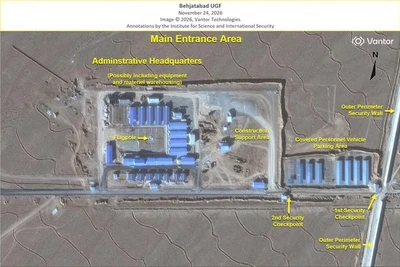
Iran rapidly builds underground complex near nuclear sites – US institute
1

Iran rapidly builds underground complex near nuclear sites – US institute

2
INSIGHT

Iran’s efforts to offset US naval blockade fall short, economists warn

3

Trump deploys extra aircraft carrier, says Iran is making ‘big mistakes’

4

Iran-backed Iraqi militia prepares for renewed US-Iran war, report says

5

Iranian truckers’ strike spreads to more cities on fifth day, union says

Banner

Spotlight

  • Iran’s ‘self-sanctions’ compound pressure from US blockade, critics say

    Iran’s ‘self-sanctions’ compound pressure from US blockade, critics say

  • Iranian women break silence on a lifetime of violence
    VOICES FROM IRAN

    Iranian women break silence on a lifetime of violence

  • Too poor to marry, young Iranians are offered religious workarounds
    INSIGHT

    Too poor to marry, young Iranians are offered religious workarounds

  • Persian Gulf oil exports near prewar levels despite Hormuz attacks
    INSIGHT

    Persian Gulf oil exports near prewar levels despite Hormuz attacks

  • Iran faces year-end cash squeeze if US blockade holds
    INSIGHT

    Iran faces year-end cash squeeze if US blockade holds

  • A broken leg and broken trust: Violence in Iran’s schools
    VOICES FROM IRAN

    A broken leg and broken trust: Violence in Iran’s schools

Banner
Banner
Banner
Banner
Banner
Banner