Iran says US violated ceasefire, vows response
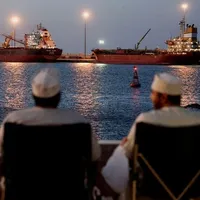
Iran’s foreign ministry said on Tuesday that the United States had violated the ceasefire in the maritime area off southern Hormozgan province and warned that Tehran would respond.
Iran’s foreign ministry said on Tuesday that the United States had violated the ceasefire in the maritime area off southern Hormozgan province and warned that Tehran would respond.


The report described how menstruation remains shrouded in shame and silence for many Iranian girls, particularly in smaller towns and poorer communities, where limited education and cultural taboos leave adolescents unprepared for puberty.
One student in a village near Miandoab told Shargh she avoided leaving her classroom during breaks out of fear classmates would notice blood stains on her clothes. Another girl believed she had cancer when she experienced her first period.
“Absence from school is one of the first reactions many girls have when they experience menstruation,” a teacher identified as Nazanin told the newspaper. “The less awareness there is in the family, the more common this behavior becomes.”
Rising costs force unsafe alternatives
Inflation, the report said, has sharply increased the cost of sanitary pads and other hygiene products, particularly affecting women in low-income and marginalized areas.
Somayeh, a 38-year-old worker in a food packaging workshop near Tehran, said long shifts and limited bathroom access often force her to delay changing sanitary products for hours.
“When you have to choose between buying food for your children or sanitary pads for yourself, you choose food,” she said.
Social worker Mahya Vahedi said some women have turned to cloth and other non-hygienic substitutes because they cannot afford sanitary pads, leading to infections and untreated wounds.
“Buying hygiene products has become a luxury for many families,” Vahedi said.
Unlike several countries that provide free menstrual products in schools and public spaces, Iran offers almost no free access to sanitary products in schools, universities or public facilities, the report said.
Debate grows over menstrual leave
The report also highlighted growing debate around menstrual leave policies in workplaces.
Shima, an office worker interviewed by Shargh, said menstruation remains difficult to discuss openly at work despite the physical pain many women endure.
“How can part of the workforce spend several days each month working through pain and bleeding with no recognition of those conditions?” she said.
Political economy analyst Anisha Asadollahi said menstrual leave has become a point of tension between gender equality demands and Iran’s labor market realities.
Some critics, she said, fear additional labor protections for women could discourage employers from hiring them, citing past labor policies that unintentionally reduced women’s employment opportunities.
But Asadollahi argued recognizing menstrual leave remains important because workplace norms are still built around “the male body as the standard worker.”
“Giving up rights because of fear of discrimination only strengthens unequal structures,” she said.