We want remaining Iranian missile capability eliminated, Trump says
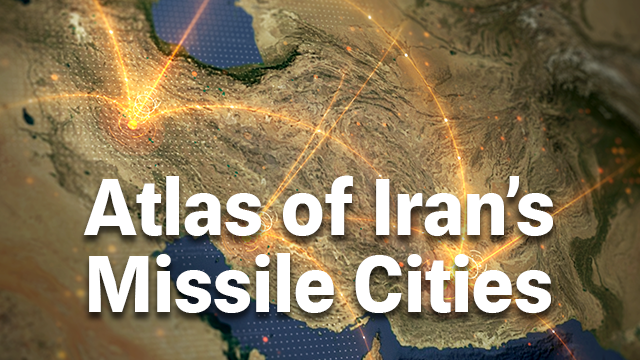
US President Donald Trump said on Saturday he would like to eliminate what he described as the remaining 15% of Iran’s missile-making capability.


US President Donald Trump said on Saturday he is reviewing Iran’s latest proposal and awaiting its final wording, describing it as a “concept” currently under discussion.
“I’m looking at it on the plane. I’ll let you know about it later. They told me about the concept of the deal. They’re going to give me the exact wording now," Trump told reporters.
US President Donald Trump said on Saturday there is a “possibility” that strikes could restart, when asked about the potential resumption of military action.
Speaking in response to questions, Trump did not rule out renewed strikes, saying it “could happen,” without providing further details or specifying a timeframe.
Iran’s judiciary chief Gholamhossein Mohseni Ejei said Tehran does not welcome continued conflict but would fight if its “dignity” is threatened.
"We do not welcome the continuation of war, but we do not fear war either; if our dignity is threatened, we will fight for our dignity," he posted on X on Saturday.
Iran called for the withdrawal of US forces from its surrounding region, the lifting of a naval blockade and sanctions relief as part of a detailed response to a US proposal, according to a report by IRGC affiliated Tasnim news agency.
In a post on X on Saturday, Tasnim said Iran’s 14-point plan also includes demands for guarantees against military aggression, the release of Iranian assets and compensation payments.
The report said Tehran rejected a US proposal for a two-month ceasefire, instead insisting that key issues be resolved within 30 days and that the focus shift from extending a truce to “ending the war.”
It added that Iran’s proposal calls for an end to hostilities across multiple fronts, including Lebanon.
Iran has not altered its negotiating position on the Strait of Hormuz or its nuclear program in a recent proposal, according to the Institute for the Study of War, which said some officials in Tehran may be seeking to pressure Washington into concessions.
In an update on Saturday, the Washington-based think tank said elements within the Iranian system could believe Tehran can impose enough economic and political costs on the United States to shift its stance.
The report said Iran is taking steps to withstand a US naval blockade, including reportedly reducing oil production as storage capacity nears its limit, while avoiding a full shutdown that could damage oil fields.