Reports of Ghalibaf-Trump channel sparks political storm in Tehran

Maryam Sinaiee
Iran International

Remarks by Donald Trump suggesting backchannel contacts with a figure inside Iran’s government have stirred intense political debate in Tehran.
Iran International
Remarks by Donald Trump suggesting backchannel contacts with a figure inside Iran’s government have stirred intense political debate in Tehran.
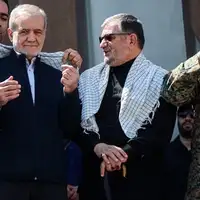
The controversy intensified after reports by Israel’s Channel 11 and Politico suggested that Parliament Speaker Mohammad-Bagher Ghalibaf could be the “pragmatic partner” potentially engaging with the Trump administration.
According to the Politico report, “at least some White House officials see him as someone who could lead Iran and negotiate in a next phase of conflict with the Trump administration.” However, the report added that the White House “is not yet ready to bet on a single figure” and is exploring multiple options.
The mere suggestion that a sitting Iranian parliament speaker could be engaged—formally or informally—with Washington carries significant implications within Iran’s political system, where any perception of independent diplomatic outreach can trigger backlash, particularly during periods of heightened tension.
Iran’s Revolutionary Guards (IRGC)-linked media outlets have strongly rejected claims of secret negotiations.
Fars News Agency described the reports as a “psychological operation,” asserting that the narrative was designed with three goals: “character assassination of Ghalibaf, incitement toward possible physical targeting, and sowing division in the country.”
Similarly, Tasnim News Agency called the reports a “complex enemy design to create the perception of internal tension,” arguing that it aimed to distract political forces from the ongoing conflict.
Even political figures outside Ghalibaf’s immediate camp have echoed concerns about psychological warfare.
Mohammad-Javad Azari-Jahromi, telecommunications minister under President Hassan Rouhani, wrote on X that Trump’s contradictory statements—and media suggestions that Ghalibaf could be conducting secret talks—are intended to “create division within the government and among military forces.”
Hesameddin Ashena, a former media adviser to Rouhani, also warned of “character assassination,” describing the amplification of such claims as effectively “aligning with the enemy.”
Iranian officials have acknowledged indirect communications with Washington through intermediaries. Foreign Minister Abbas Araghchi and spokesman Esmail Baghaei said countries such as Egypt, Turkey, and Pakistan have been exchanging messages between the two sides in recent days in an effort to reduce tensions.
At the same time, Iranian officials stressed that Tehran’s core positions remain unchanged.
These include its stance on the potential closure of the Strait of Hormuz—a position that has contributed to escalating rhetoric, including reported threats by Trump to target Iran’s energy infrastructure and impose a short deadline.
An Iranian official told Al Jazeera that Washington has so far refused to meet Tehran’s key conditions for negotiations: “payment of war reparations and acknowledgment of aggression against Iranian territory.”
Meanwhile, reports from Reuters and The Wall Street Journal suggest that potential talks to end the conflict could take place in Pakistan or Turkey, possibly involving figures such as Steve Witkoff, Jared Kushner, and Vice President J. D. Vance in the coming days.
Despite official denials, the issue has gained traction on social media—particularly among Iranians abroad, given severe internet restrictions inside Iran since the war began.
Thousands of responses to Ghalibaf’s denial of secret talks with Washington on X framed the issue in terms of suspicion and alleged betrayal.
Some users pointed to his absence from certain recent public events, while others noted that his name had not appeared in US bounty lists targeting Iranian officials, interpreting this as suspicious though without evidence.
Others revived longstanding allegations of financial corruption and nepotism raised by hardline factions such as the Paydari Front and supporters of Saeed Jalili—claims that have circulated in Iran’s political rivalries for years.