Somayeh Rafiei said lawmakers are pursuing a bill under which countries using the strait for shipping, energy transit and food supplies would be required to pay tolls and taxes to Iran, framing it as compensation for providing security along the route.
“In the event that the Strait of Hormuz is used as a secure route for ship traffic, energy transit and food supply, countries will be required to pay tolls and taxes to the Islamic Republic of Iran,” Rafiei said.
She also said countries should pay what she described as a security tax in return for Iran maintaining regional security.
The proposal came as senior Iranian officials suggested the war could be used to redefine Tehran’s position in the waterway after the conflict ends.
Mohammad Mokhber said one of the most important opportunities created by the war was the possibility of reshaping Iran’s role in the Strait of Hormuz.
“After the imposed war, by defining a new regime for the Strait of Hormuz, Iran will move from being under sanctions to a powerful position in the region and the world,” Mokhber said.
He added: “By using the strategic position of the Strait of Hormuz, we can sanction them and not allow their ships to pass through this waterway.”
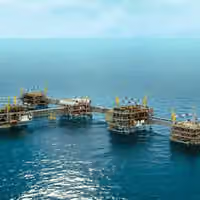
The comments followed a sharp escalation earlier this week when Israel struck Iran’s South Pars gas field, one of the country’s most important energy sites, in an attack that pushed oil and gas prices higher.
Iran retaliated by targeting energy infrastructure across the Persian Gulf, including strikes on facilities in Qatar and Saudi Arabia, widening concerns that the conflict could spread further across the region’s oil and gas network.
That escalation also triggered a stronger response from Arab states. Saudi Foreign Minister Prince Faisal bin Farhan said pressure from Iran would “backfire politically and morally” and added that Riyadh reserved the right to take military action if needed.