Delegations from Tehran and Washington met under Omani mediation for the third round of indirect talks, focusing on Iran’s nuclear program and sanctions relief, according to Iran’s foreign ministry.
Omani Foreign Minister Badr al-Busaidi said technical discussions would resume next week in Vienna.
While the Omani top diplomat spoke of “progress” in negotiations, US media said no breakthrough was achieved.
Iran rejected major US proposals, including transferring enriched uranium abroad, halting enrichment, and dismantling certain nuclear sites, The Wall Street Journal reported citing informed sources.
US military and political pressure continues
The talks took place amid a large US military presence in the Middle East. Shortly after the talks, CENTCOM chief Admiral Brad Cooper briefed President Donald Trump on potential options, ranging from limited strikes on nuclear and missile sites to broader operations involving Israel, carrying risks of escalation and regime change.
White House officials stressed that no decisions had yet been made.
In Washington, lawmakers signaled hardline positions. Senate Republicans posted on X that “Iran will never have a nuclear weapon.” Representative Carlos Gimenez warned that past deals “breathed new life into the regime” and argued that extraordinary measures may be needed to prevent a nuclear-armed Iran.
US Vice President JD Vance, cited by The Washington Post, said the United States would avoid another prolonged Middle East war while keeping both diplomatic and military options open.
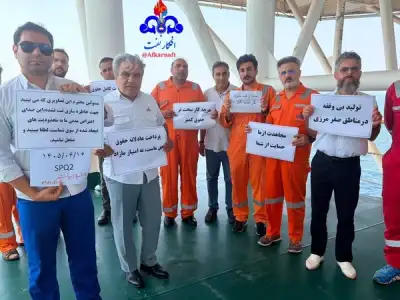
The talks coincide with domestic pressures in Iran, where universities have shifted to online-only classes amid ongoing protests. Observers say the lack of breakthroughs highlights the fragile state of the diplomatic process.
Negotiators are expected to return next week. Core disagreements over enrichment and sanctions remain, leaving the outcome uncertain as Iran continues uranium enrichment and the US maintains military readiness in the region.