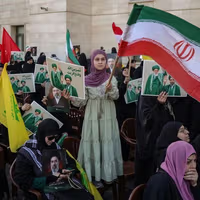
Following the bloodshed of January 8 and 9, Iranian authorities imposed the harshest media restrictions in decades, shutting down newspapers and severely limiting internet access in an effort to conceal the scale of repression.
After about a week, officials appeared to conclude that a total blackout was counterproductive: the absence of newspapers made it harder to project an image of normal life. Editors were summoned back to newsrooms, even though most journalists still lacked internet access.
With little they could do, many reporters went home, a journalist at the moderate daily Shargh later recalled in an Instagram post. Hours later, they were called back. “You must publish a newspaper tomorrow morning,” authorities told editors, “even if it is only one page.”
The papers that followed were thin and tightly controlled. Many carried only a handful of short items drawn from state-approved agencies, alongside recycled material from months or even years earlier.
At the same time, the government shifted its internet controls from broad blacklisting to a strict whitelisting system, allowing access only to approved users and outlets.
For nearly two weeks, outlets affiliated with the Revolutionary Guards — primarily Tasnim and Fars — dominated the limited online output, carrying statements from commanders and hardline officials and promoting the narrative that the unrest was “foreign-backed terrorism.”
When Fars opened its comment sections earlier this week, readers flooded the site with angry and often derogatory remarks aimed at the government. Moderators removed posts and blocked users, but commenters returned under new identities.
Critical comments often remained visible for minutes before deletion. Within days, Fars shut down comments entirely.
Khabar Online, one of the first websites permitted to resume limited updates as part of efforts to “normalize” the situation, encountered a similar problem. Reader comments quickly overwhelmed official narratives, prompting tighter controls.
By January 27, several newspapers and websites had cautiously resumed publication, avoiding any reference to the true death toll.
One exception was Etemad, whose managing editor, Elias Hazrati—also head of President Masoud Pezeshkian’s advisory public-relations board—published casualty figures approved by authorities, widely seen as a fraction of the real numbers.
Internet access has since been partially restored, but remains unpredictable. Some businesses are granted just 30 minutes of access per day at designated government offices after signing pledges not to cross official “red lines.” Their online activity is monitored.
Messaging platforms such as WhatsApp and Telegram function intermittently through VPNs. Even when messages are sent, replies often fail to arrive. Platforms commonly used for political communication, especially X, remain largely inaccessible.
Authorities say YouTube access has been restored at universities, and some pre-protest interviews have reappeared online.
The YouTube-based news program Hasht-e Shab (8 PM) resumed after a three-week suspension. In its first broadcast, it reported that the brother of one staff member had been shot dead during the protests.
With senior officials avoiding public appearances, the program interviewed its own managing editor, Ali Mazinani, who said internet access had become “critical” even for media outlets, particularly as Iran faces heightened external threats.
He said journalists are now barred from government offices they once covered and criticized the lack of transparency surrounding the crackdown and casualty figures.
The restrictions appear to have achieved their aim, narrowing what can be reported and publicly discussed about the crackdown—for now.