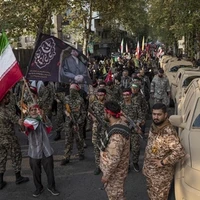
Turkey has adopted a calculated caution during the recent waves of protests in neighboring Iran, avoiding endorsement of those who took to the streets while stopping short of backing Tehran’s violent crackdown.
Turkish officials have acknowledged that the unrest is rooted in genuine domestic grievances, but warned against what they describe as external efforts to exploit the turmoil.
This balancing act reflects Turkey’s dual position.
A NATO member with institutional ties to the West, Ankara is also a pragmatic regional power deeply embedded in Middle Eastern geopolitics. Its approach to Iran’s crisis has been shaped less by ideological alignment than by concern over how prolonged instability could affect Turkey’s borders, economy and regional posture.
Senior officials, including Foreign Minister Hakan Fidan and spokesperson for the ruling AKP party Ömer Çelik, have framed the protests as domestically driven but vulnerable to manipulation by outside actors, particularly Israel.
"We are against a military intervention against Iran," Fidan said on Wednesday. Iran needs to solve its authentic internal problems on its own."
At the same time, Turkey has avoided explicitly endorsing Tehran’s security response, signaling unease with the scale of repression.
Behind the public rhetoric, Turkish diplomacy has intensified.
Reports in Turkish media this week suggest that Ankara has remained in close contact with Tehran, Western partners and Arab countries surrounding the Persian Gulf—urging de-escalation and arguing against US intervention.
This is despite Turkey and Iran standing on opposing sides of regional conflicts in recent years, notably in Syria and Iraq.
The Kurdish question adds another layer of sensitivity. Both states oppose Kurdish separatism, but Turkish officials have long accused Iran of tolerating or exploiting groups linked to the PKK, which Ankara considers an existential threat.
But such rivalries have often given way to pragmatism.
Bilateral trade reached roughly $10 billion in 2024, and Iran supplies about 15 percent of Turkey’s natural gas under a pipeline agreement set to expire in mid-2026. Tourism, transportation links and security coordination have continued even during periods of political tension.
Turkey has also consistently opposed US sanctions on Iran, arguing they harm regional trade and ordinary Iranians more than decision-makers in Tehran.
Public messaging during the current crisis has been carefully calibrated.
On January 12, Ömer Çelik warned that foreign intervention would “lead to greater crises,” urging negotiations while acknowledging Iran’s internal problems. Fidan echoed that line and sought to downplay the scale of unrest—perhaps to discourage escalation.
President Recep Tayyip Erdoğan has also largely avoided inflammatory rhetoric. Rather than issuing public condemnations or threats, he convened security meetings to assess potential spillover risks.
Turkish authorities restricted demonstrations near Iran’s consulate in Istanbul, aiming to reassure Tehran of shared security interests.
Overall, Ankara has sought to position itself as a potential intermediary rather than a partisan actor.
Retaining regional influence
Prolonged unrest in Iran raises the prospect of refugee flows that Turkey, already hosting millions of displaced people from Syria and elsewhere, is politically and economically ill-equipped to absorb.
Large-scale displacement from Iran would strain public services, intensify domestic backlash against migrants and complicate relations with the European Union.
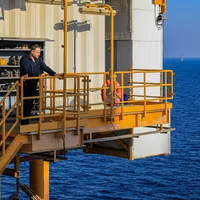
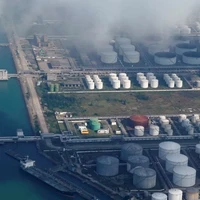
Economic exposure reinforces that caution. Iran remains a key energy supplier, and any disruption, particularly during winter, would push up prices and inflation in Turkey’s already fragile economy. With the gas contract nearing renewal, Ankara has strong incentives to avoid a rupture with Tehran.
A wider military confrontation involving Iran would also threaten Turkey’s commercial routes and military positions in Iraq and Syria.
Ultimately, Turkey’s response reflects strategic self-preservation. By combining public restraint with private engagement, Ankara aims to shield itself from instability, protect critical economic links and preserve leverage regardless of how events in Iran unfold.
Whether the Islamic Republic emerges intact or weakened, Turkey appears determined to remain positioned as a consequential regional actor—even as unrest across its border underscores how rarely domestic crises in the Middle East remain contained.