In a message addressed to protesters, Pahlavi praised what he described as their “courage and resilience” after millions heeded his call for protests on Thursday and Friday, saying their mass turnout delivered a decisive response to threats issued by the Islamic Republic’s leadership.
He said the scale of the demonstrations had shaken the ruling establishment and exposed the fragility of its security apparatus.
Pahlavi said the next phase of the movement must focus on both sustained street presence and economic pressure, arguing that cutting off the Islamic Republic's financial lifelines would cripple its ability to continue its crackdown.
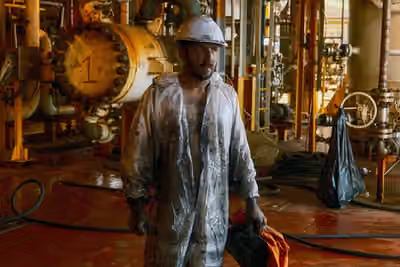
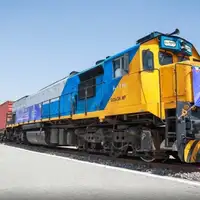
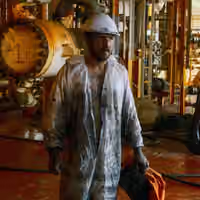
He specifically called on workers in transportation, oil and gas, and the broader energy sector to begin a nationwide strike.
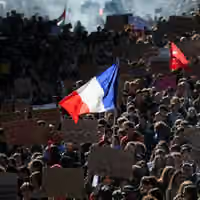
The exiled prince urged protesters to take to the streets again on Saturday and Sunday evenings starting at 6 p.m., calling on them to carry national flags, symbols, and images and to reclaim public spaces.
He stressed that the objective had shifted beyond symbolic demonstrations, saying protesters should prepare to seize and hold central areas of major cities.
To achieve this, Pahlavi encouraged demonstrators to move toward city centers from multiple routes, link separate crowds together, and prepare for prolonged stays in the streets by arranging basic supplies in advance.