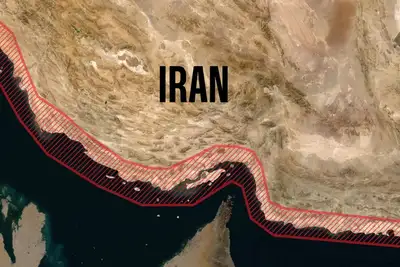
Netanyahu described Iran's pre-war nuclear efforts as an existential threat to Israel and a mortal danger to the world, aimed at destruction and global blackmail.
"Iran was rapidly developing a massive nuclear weapons program and a massive ballistic missile program," he told the UN General Assembly. "We devastated Iran's atomic weapons and ballistic missiles programs."
Israel launched a surprise attack on Iran in June, targeting nuclear and military sites and top military and nuclear officials. Iran retaliated by firing drones and ballistic missiles.
Iran reported over 1,000 fatalities and 5,332 injured while Tehran's counterattacks killed 31 Israeli civilians and an off-duty soldier.
The United States on June 22 joined the campaign, targeting nuclear sites in Natanz, Fordow and Isfahan. Two days later, US President Donald Trump brokered a ceasefire between Iran and Israel.
"President Trump and I delivered on our promise to prevent Iran from developing nuclear weapons,” Netanyahu said, praising the US president for "his bold and decisive action".
"We must not allow Iran to rebuild its military nuclear capacities. Iran's stockpiles of enriched uranium must be eliminated, and UN Security Council sanctions on Iran must be snapped back,” Netanyahu said.
The United Kingdom, France and Germany have activated the snapback mechanism under the UN Security Council Resolution, meaning the UN sanctions will go back into effect on September 28 unless the Security Council takes action by tomorrow.
Israel not done yet
Netanyahu said that "Israel rebounded from its darkest day to deliver one of the most stunning military comebacks in history, but we're not done yet."
He called Iran the core of a terror axis, backing proxies like Hamas, Hezbollah in Lebanon, and Houthis in Yemen, who "shout Death to America" and murder innocents.
In what he called a "pop quiz" for the delegates, Netanyahu asked: "Who shouts ‘Death to America?" and "Who has murdered Americans and Europeans in cold blood?” He said the answer was Iran and its allied forces.
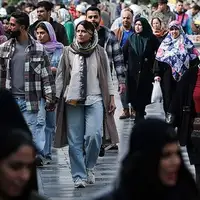
Netanyahu spoked and envisioned a future where Iranian people overthrow the government in Iran, restoring ancient ties with Israel for global benefit.
The Israeli prime minister has in recent years repeatedly addressed the Iranian public through video messages, urging them to rise up against the Islamic Republic and reject their leaders.
In these messages, Benjamin Netanyahu has often portrayed Israel as a friend of the Iranian people while condemning Iran’s government for its nuclear program, regional policies, and human rights record.