Iran imposes worst internet blackout since 2019 amid tensions
Iran has entered the second day of a near-total nationwide internet shutdown, according to NetBlocks, marking the most severe connectivity disruption since the 2019 protests.



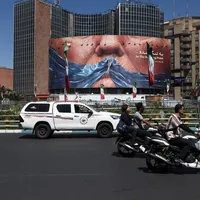
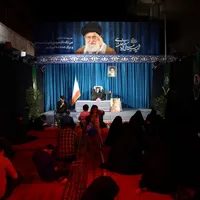
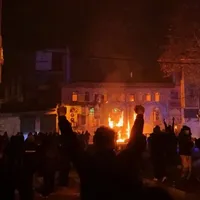

An Iranian expatriate told Iran International on Thursday that there had been a communications blackout with Iran.
“There’s no way to reach anyone. They’ve taken the people hostage,” the citizen abroad said, expressing fear over the inability to contact family members inside the country.
The disruption comes amid escalating conflict and a wave of arrests tied to online expression.
Authorities in Iran arrested eight people in Yazd province for allegedly supporting Israel, the provincial police chief said Thursday, marking the latest in a wave of detentions tied to online activity.
Earlier the same day, Kerman’s police commander announced the arrest of four more citizens—one woman and three men—on similar charges.
At least 160 Iranians have been detained over the past six days for social media posts related to Israeli strikes on the Islamic Republic, according to the human rights group HRANA.
Iran reserves the right to close the Strait of Hormuz if the United States joins Israel in military action against the Islamic Republic, Tehran MP Ali Yazdikhah said Thursday.
“If America enters the war, closing the Strait of Hormuz is our legitimate right,” Yazdikhah said, referencing the narrow waterway critical to global oil shipments.
A wave of airstrikes were launched on western Iran, targeting ballistic missile infrastructure and Iranian soldiers, Israel’s military said Thursday.
The Israeli Air Force deployed around 20 fighter jets for the operation, the army said. Separately, an Israeli drone struck trucks carrying ballistic missiles as they arrived at a launch site.
Israel has struck about two-thirds of Iran’s ballistic missile launchers, an Israeli military official said Thursday.
Iran is still believed to possess more than 100 launchers, the official told Reuters, but emphasized that launch systems—rather than missile stockpiles—remain Israel’s top priority.
Missile launchers are the bottleneck for their ability to fire in volume, the officials said, indicating continued strikes aimed at limiting Iran’s offensive capacity.