The phenomenon is steeped in contradiction, with many platforms operating in plain sight despite the Islamic prohibition of gambling.
While supreme leader Ali Khamenei recently ruled that predicting sports outcomes for prizes is not inherently forbidden (haram), Iran’s judiciary continues to treat gambling as a criminal offense—punishable by lashes and imprisonment.
Still, with the national currency, the rial, in free fall and opportunities dwindling, many see gambling as one of the few remaining ways to beat inflation—or to reclaim a fleeting sense of freedom.
Bet to breathe
For Maryam, 49, a former schoolteacher, online poker began as a form of relief from daily suffocation.
"In Iran, we are prisoners—not just of the regime, but of our own despair," she says from her Tehran apartment. "The leaders want to drag us back to rules from 1,400 years ago, while the world moves forward. These games … they let me breathe."
She’s lost several months’ wages in a single night but insists the emotional release is worth it. "When I win, I feel like I’ve beaten the system. When I lose, at least I was free for a moment."
Mohammad, 35, a software engineer, sees gambling less as a thrill than as a necessity. "Look at our currency," he says. "You save 100 million rials today, and in six months, it buys half as much."
Using VPNs to access offshore sportsbooks, he trades in dollars or cryptocurrency to hedge against both inflation and sanctions. "Gambling isn’t a game here—it’s a financial tactic."
Loopholes, laundering, and lashes
The rise in betting has exposed a divide at the highest levels of authority.
While Khamenei’s office has carved out a religious loophole for prize-based predictions, senior Shi’a jurists like Ayatollah Makarem Shirazi maintain that all forms of monetary betting are haram.
Due to this inconsistency, perhaps, enforcement remains patchy and ineffective.
Although Iran’s Cyber Police (FATA) have shuttered over 1,500 gambling websites since 2021 and frozen 72 billion tomans in suspected gambling funds, many platforms operate freely, using registered banking gateways that suggest official indifference—or even complicity.
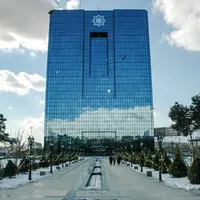
Tehran MP Mojtaba Tavangar recently called on Iran’s Central Bank to impose tighter controls on the country’s 3.8 million unregistered point-of-sale (POS) systems, which he says are conduits for illicit cash flows.
He blamed anonymous banking transactions for fueling the online gambling surge, asserting that $1 billion in gambling profits exited the country last year.
The warning was echoed by senior FATA official Ali Niknafs, who accused payment processors of enabling a “black-market economy” and faulted the Central Bank for what he called lax oversight.
A symptom, not a vice
Gambling is a rising concern in many societies, but in Iran, it thrives in the shadows—fueled by economic despair, filtered through VPNs, and punished with lashes.
What elsewhere may be a regulated vice has here become an act of defiance and desperation, shaped by repression and the absence of lawful outlets for risk or relief.
Experts say Iran’s gambling boom reflects a deeper breakdown.
"When people lose faith in banks and jobs, they turn to risky alternatives," says Stockholm-based economist Ahmad Alavi. "The regime blames Western decadence, but the real problem is their own mismanagement."
The growing habit is now affecting workplaces too.
"Employees gamble during work hours—some even stealing to cover losses," says an IT supervisor at a Tehran bank who asked not to be named. "We fire them, but new ones do the same thing."
Saman, another IT manager, says he has deployed firewalls and screen monitoring systems, only to see workers bypass them using secret Telegram channels and disguised apps.
With VPN usage at record highs and underground betting networks expanding, crackdowns—by officials or employers—appear increasingly futile. More and more people chase the dream in desperation, many aware it’s an illusion but not seeing any alternative.
"We’re trapped in a broken system," Maryam says. "So we roll the dice."