Iran to stand firm on ties with China, Russia despite Trump win
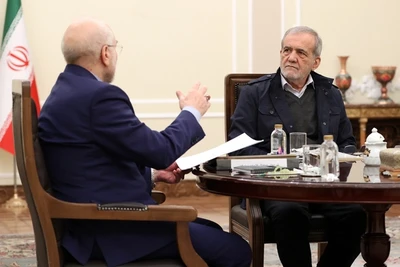
Ali Akbar Velayati, Advisor to the Supreme Leader meets Chinese Envoy to Tehran on November 17, 2024.
Iran has pledged to strengthen its strategic alliances with China and Russia, dismissing concerns that a potential return of Donald Trump to the White House could alter its foreign policy.
Ali Akbar Velayati, Advisor to the Supreme Leader on International Affairs, reaffirmed the Islamic Republic’s commitment to fostering these relationships during a meeting with Zong Peiwu, China’s Ambassador to Iran.
“The expansion of relations between Iran, China, and Russia in various fields, including frameworks like Shanghai and BRICS, will have significant and lasting effects,” Velayati said Sunday.
Tehran views its partnerships within the BRICS bloc and the Shanghai Cooperation Organization (SCO) as critical tools for countering Western sanctions.
Similarly, the SCO, founded by China and Russia in 2001, now includes ten members, including Iran, which formally joined in 2023.
Despite optimism about these alliances, criticism within Iran remains. President Masoud Pezeshkian recently called BRICS a talking club, saying that the group has yet to deliver practical solutions against US sanctions.
This frustration highlights a growing gap between Tehran’s aspirations and the tangible benefits of its Eastern pivot.
Nonetheless, Velayati emphasized the importance of these collaborations, pointing to their potential to bolster Iran’s international standing. He framed the partnerships as a cornerstone of Iran’s foreign policy, unaffected by external pressures, including changes in US leadership.
The Trump administration is expected to adopt a harder stance on China, with key figures such as John Ratcliffe, Trump’s nominee for CIA director, labeling Beijing as the primary global threat.
Ratcliffe has warned of China’s ambitions to dominate economically, militarily, and technologically, stressing a US agenda that could complicate Tehran’s growing ties with Beijing.
Velayati’s remarks come as Iranian officials maintain their defiance against US sanctions and pressure.
During Trump’s previous presidency, the United States withdrew from the 2015 nuclear deal, known as the JCPOA, and imposed a maximum pressure campaign. This led to severe economic repercussions for Iran, prompting the country to ramp up its nuclear activities, including enriching uranium to near weapons-grade levels.
Trump’s return has reignited concerns about a revival of these policies. On November 16, the Financial Times reported that the incoming US administration aims to reintroduce maximum pressure to force Tehran into renegotiating its nuclear and regional policies.
Some Iranian officials, however, are urging a more aggressive approach. Ahmad Naderi, a member of Iran’s parliament, criticized the nuclear program for failing to deliver security benefits and suggested that testing a nuclear weapon might be necessary to achieve regional balance.
"I believe we must pursue atomic weapons testing, as no other path remains for us given the lack of regional balance," he added, in an apparent reference to setbacks by Iran's regional proxies.
Velayati’s remarks signal Iran’s intent to remain focused on its strategic alliances while navigating the challenges posed by shifting US foreign policy.